








![Official] Smart Skin Clinic|Aesthetic Dermatology Group (Jimbocho, Yokohama)](https://smartskin-clinic.com/wp-content/uploads/2023/05/Smart-skin-clinic-ロゴ500-×-100-px.png)
Sagging around the mouth|Doctors explain causes, treatment, and self-care methods
“I want to fix the sagging around my mouth.”
“The sagging around my mouth tends to make me look older than I am and appear grumpy.”
“I want to know what causes sagging around the mouth and what treatments are effective.”
Do you have any of these concerns about sagging around the mouth?
Hello. I am a doctor at the cosmetic dermatology practice Smart Skin Clinic.
Sagging around the mouth can lead to nasolabial folds, marionette lines, a bulldog-like face, a heavy, drooping mouth and jawline, and wrinkles around the mouth.
In this article, an expert carefully explains the causes of sagging around the mouth, along with treatments and self-care.
If you only want to know about treatments and self-care for sagging around the mouth, you can jump there from the table of contents.
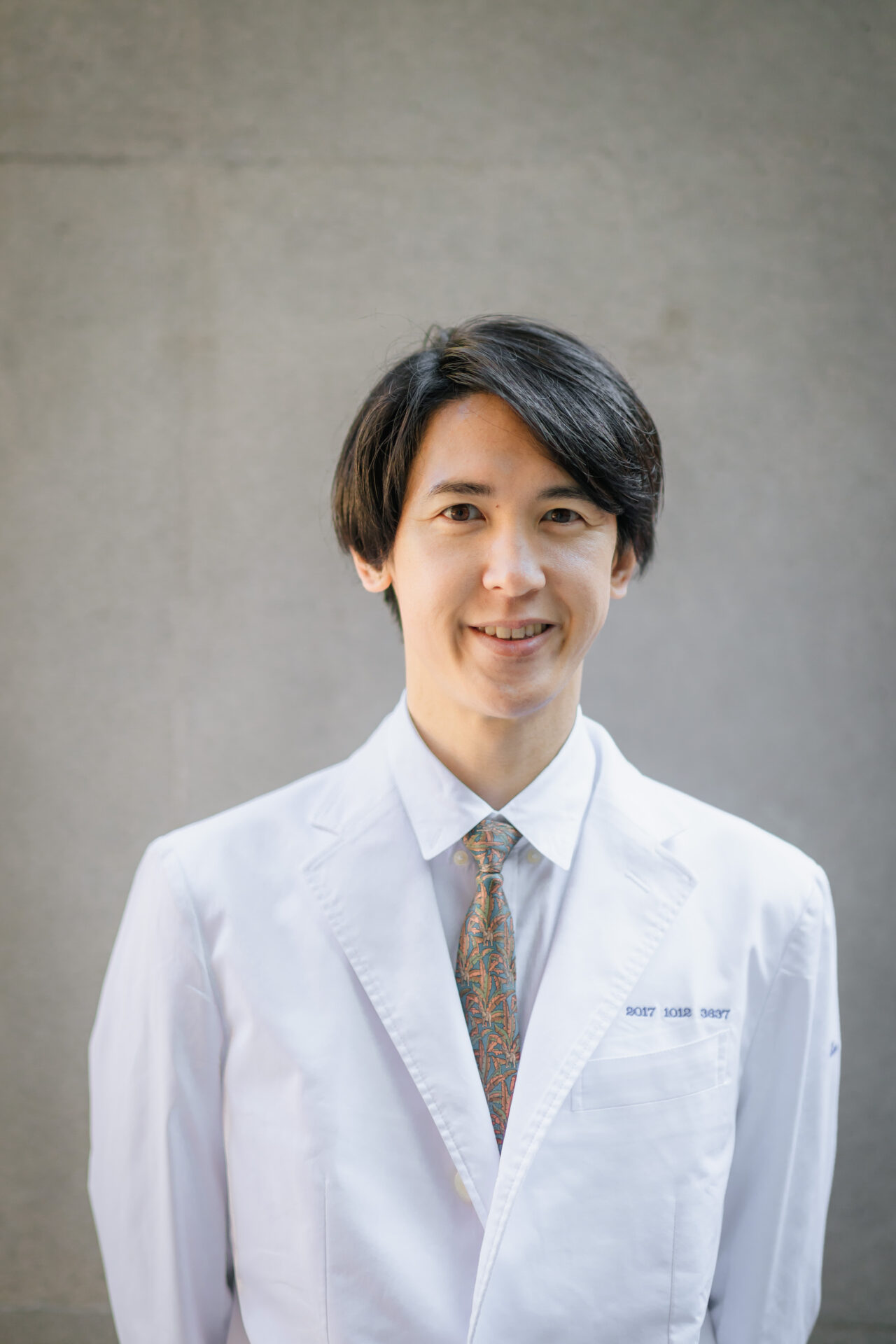
Group Chief Director, Smart Skin Clinic Group
Ishii Kota
Career
Graduated from Juntendo University School of Medicine
Worked at Tokyo Women's Medical University Hospital and affiliated facilities
Worked at a major aesthetic clinic in Tokyo
Affiliations / Qualifications
Board-certified specialist, Japan Surgical Society
Board-certified specialist, Japanese Society of Anti-Aging Medicine
What causes sagging around the mouth?
Sagging around the mouth is caused by“changes inside the body,” such as those in the skin, muscles, fat, ligaments, and blood and lymph flow,as well as by the “external environment,” including“external environment” factors such as UV rays and stress,and by “lifestyle habits” such as smoking and posture.
【Causes of sagging around the mouth】
- Weakening of the facial muscles
- Lack of skin firmness and elasticity
- Puffiness
- Increased fat and bulging
- Stiffness of the ligaments
- Ultraviolet rays
- Dryness
- Poor posture
- Smoking habit
- Stress
Weakening of the facial muscles
The muscles around the mouth serve various functions, such as raising the corners of the mouth, chewing food, and opening and closing the mouth.
When the muscles that raise the corners of the mouth weaken, or lose their balance with the muscles that lower them, it leads to sagging around the mouth. Sagging can also result when the surrounding muscles connected to the mouth become stiff or are pulled—not just the mouth muscles themselves.
One factor behind the rise in people concerned about sagging around the mouth during life with masks is thought to be that staying expressionless reduced opportunities to use the facial muscles, causing them to weaken.
- orbicularis oris muscle
The muscles surrounding the mouth, used to close and purse it. As they weaken, the corners of the mouth drop and the mouth sags. - levator labii superioris muscle
The muscle that raises the upper lip. As it weakens, the upper lip drops, leading to sagging around the mouth. - zygomaticus major muscle
This muscle runs from the cheekbone toward the corner of the mouth and raises the corner of the mouth when you smile. As it weakens, sagging of the cheeks affects the mouth area and marionette lines. - zygomaticus minor muscle
Located above the zygomaticus major, this muscle lifts the upper lip. As it weakens, the upper lip and corners of the mouth drop, leading to sagging around the mouth. - risorius muscle
Located on the outer side of the cheek, this muscle pulls the corner of the mouth outward. As it weakens, the corners of the mouth drop and sag. - depressor anguli oris muscle
This muscle spreads from both ends of the lower lip toward the lower jaw and pulls the corners of the mouth downward. When it becomes stiffer than through teeth clenching, the corners of the mouth drop and sagging around the mouth becomes more noticeable. - sternocleidomastoid muscle
Located along the side of the neck, this muscle is used for movements such as turning and bending the head. Because lymph nodes such as those near the collarbone and below the ear lie nearby, stiffening impairs blood circulation and lymph flow, leading to sagging of the neck and mouth area.
Lack of skin firmness and elasticity
As collagen and elastin within the skin decrease, firmness and elasticity are lost, the skin droops, and this leads to sagging.
Because the main cause of the loss of skin firmness and elasticity is aging, it is difficult to avoid completely.
Puffiness
When “puffiness” occurs due to stagnant blood and lymphatic flow, it promotes sagging.
Blood delivers the oxygen and nutrients the skin needs, while lymphatic fluid helps eliminate waste products from the cells. When blood and lymphatic flow become sluggish, the skin not only swells but also deteriorates and loses its firmness and elasticity, leading to sagging.
Increased fat and bulging
Fat near the mouth can also be a cause of sagging.
The number of fat cells remains essentially the same after adulthood, but when you gain weight, the volume of each fat cell increases. When fat volume increases and the cheek skin can no longer support it, the tissue droops and sagging develops around the mouth.
“Buccal fat”is the pad of fat that gives the cheeks their roundness, while“jowl fat”is the pad of fat located from the lower cheeks along the jawline. When it droops due to aging or gravity, it can accentuate nasolabial folds and marionette lines and lead to sagging around the mouth and a loss of definition in the facial line.
Stiffness of the ligaments
Ligaments are the tissues that anchor the muscles, fat, and skin to the bone.
The best-known ligament is probably the Achilles tendon. Ligaments are inherently flexible, but if they go unused they stiffen and their movement becomes restricted. You have probably seen someone who suddenly overstretched, rupturing it and becoming unable to walk.
In the face, too, when the ligaments become stiff, movement is restricted and they can no longer support tissues such as the skin and fat, leading to sagging around the mouth.
Ultraviolet rays
It is known that some of the ultraviolet rays raining down from the sun reach deep into the skin and break down collagen and elastin. In addition, because they pass through window glass even when you are indoors, you can be exposed to UV rays without realizing it.
When UV rays cause a loss of elasticity, the skin sags.
Dryness
When the skin’s moisture level drops due to dryness, it leads to sagging.
When the skin loses moisture due to insufficient hydration or dry air, it becomes more susceptible to external damage such as UV rays and infection. Collagen, elastin, and similar components also more readily lose their elasticity. The area around the mouth is more prone to dryness than other areas.
Poor posture
What kind of posture is bad for the mouth area?
Using a computer or smartphone, slouching, and long hours of desk work all involve looking downward, so the tissues around the mouth drop with gravity. In addition, keeping the neck area still reduces the movement of even the muscles around the jaw, causing them to stiffen.
Smoking habit
Smoking impairs blood flow, so the skin no longer receives adequate nutrients and oxygen.
Smoking also depletes a great deal of vitamin C. Because vitamin C supports collagen production, a deficiency causes the skin to lose elasticity, leading to sagging.
Stress
Stress triggers the secretion of a hormone called “cortisol,” which makes collagen more prone to breaking down, leading to sagging.
Stress also leads to sagging by impairing blood circulation and lowering the skin’s metabolism.
Feeling stressed consumes vitamin C, and because vitamin C is also a component needed for collagen production, a resulting deficiency can make it harder to maintain skin elasticity.
The relationship between sagging around the mouth and nasolabial folds and marionette lines
Sagging around the mouth gives rise to conditions such as a downturned mouth, nasolabial folds, marionette lines, a bulldog-like face, and a loss of definition in the facial line.
【Effects of sagging around the mouth】
- a downturned mouth
- Nasolabial folds
- marionette lines
- bulldog-like face
- Loss of definition in the facial line
As the bones and muscles that form the foundation of the skin deteriorate, the facial skin and fat drop. Furthermore, as the collagen and elastin that kept the skin firm and elastic decrease, nasolabial folds and marionette lines begin to stand out. As the sagging around the mouth gradually intensifies, the facial line loses definition and eventually the neck sags as well.
People tend to notice slackening around the mouth from around their 30s, but nasolabial folds and marionette lines begin to stand out from around their 40s. By around their 50s, sagging around the mouth becomes clearly apparent.
If you’d like to learn more about marionette lines, please see here.
*Related link URL (this marionette line article)
Self-care to improve sagging around the mouth
If the sagging around your mouth is very mild, self-care may help improve or prevent it.
Facial Muscle Training
- First, keep correct posture with your pelvis upright and your shoulder blades drawn together.
When your posture is off, the muscles connected to the mouth work in an unbalanced way, leading to sagging around the mouth. - Look in the mirror and move your mouth.
Move your mouth widely and say “a-i-u-e-o.” Because you can produce sound even with your mouth held down, you may be failing to move the muscles that raise the corners of your mouth without realizing it. - We also recommend the movement of turning your face upward and pursing your lips.
Since books and videos abound on how to train the facial muscles, it is best to follow a method that is supervised by an expert and easy to keep up.
Scalp massage
This is a massage that lifts the scalp to help improve facial sagging and nasolabial folds.
The face and scalp are connected as a single sheet of skin. By lifting the upper half of the face, this approach targets improvement in sagging around the mouth. It loosens the area around the forehead and temples.
Lymphatic care
This method targets sagging of the entire face by regulating the flow of lymph, sometimes called the body’s sewer system.
Loosen the muscles around the shoulder blades and the sternocleidomastoid muscle—the muscle along the side of the neck—and gently stroke around the face.
Facial beauty device
Many facial beauty devices are designed for “lift care.” Typical examples use EMS, RF, ultrasound, and the like.
- EMS: A function that uses a low-frequency electric current to stimulate the muscles and make them contract. It is used for facial muscle training.
- RF: A function that uses radiofrequency energy to heat the deeper layers of the skin. Improved skin brightness and firmness can be expected.
- Ultrasound: A function that transmits high-frequency sound waves into the skin to create fine vibrations. It works on the skin and muscles.
Rubbing the skin hard carries a risk of causing sagging and dullness, and overworking the mouth area carries a risk of causing pronounced jaw angles and a bulky lower face. Follow the instruction manual and use the device properly.
Treatments to address sagging around the mouth
We have compiled the treatments for addressing sagging around the mouth in the table below.
| Item | Juvelook Volume (Lenisna) Injection | Shopping Lift | Gouri Injection | profhilo injection | Excision lift (facelift) |
| Treatment description | Injects a formulation combining non-cross-linked hyaluronic acid and polylactic acid | Insertion of ultra-fine dissolvable threads made primarily of PDO (polydioxanone) | Injects a liquefied formulation of PCL (polycaprolactone) | Injects a formulation combining high- and low-molecular-weight hyaluronic acid | The skin is incised and excess skin is removed |
| Effect | Promotes collagen production and improves firmness and radiance | Promotes collagen and elastin production, provides a natural lift, and improves skin firmness and radiance | Promoting collagen production | Moisturizes, improves firmness and elasticity, and adds natural volume | Lifting and rejuvenation of the entire face, including sagging around the mouth |
| When the effect appears | In 2 to 3 weeks | Gradually, starting immediately after the treatment | Gradually from a few days later | A few days to a few weeks later; peaks after about one month | Immediately after treatment |
| Duration of effect | 1 to 2 years | 1 to 1.5 years | 6 months to 1 year | 6 months to 1 year | 5 to 10 years |
| Downtime | 24 hours / pain, redness, swelling, bruising | A few days / mild swelling, redness, and bruising | 24 hours / redness, bumps, bruising | 24 hours / puffiness, redness, swelling, bruising | 2–3 weeks / swelling, bruising, and a sensation of tightness |
Juvelook Volume (Lenisna) Injection
Juvelook Volume (Lenisna) is an injectable that combines non-cross-linked hyaluronic acid with polylactic acid (PDLLA).
Compared with Juvelook, its particles are larger and work in the deeper layers of the skin, which can help build volume. It promotes the production of collagen and elastin and is effective for deep wrinkles such as marionette lines.
Shopping Lift
The Shopping Lift is a non-surgical treatment that inserts dissolvable threads into the skin.
As the threads are absorbed, collagen is produced, improving sagging over the long term.
Gouri Injection
Gouri injection is a liquefied injectable containing PCL (polycaprolactone) that is effective for lifting and improving sagging. PCL is used as a medical suture material; as it gradually breaks down in the body, it promotes collagen production over an extended period, tightening sagging areas.
It is especially effective for improving concerns such as marionette lines.
profhilo injection
It combines high concentrations of high- and low-molecular-weight hyaluronic acid, working in the deep layers of the skin to help restore elasticity and firm up sagging.
By plumping the skin, especially around the mouth, it can help reduce the appearance of deep wrinkles, sagging, and marionette lines.
Excision lift (facelift)
This is a surgery in which an incision is made in the skin to lift sagging tissue. By removing excess skin and tightening the skin and muscles, it can achieve long-lasting improvement of sagging. It is especially suited to severe sagging.
To enhance the effectiveness of treatment for sagging around the mouthat
To enhance the effectiveness of treatment for sagging around the mouth, work on improvement by reviewing your diet, posture, and lifestyle habits.
Examples include the following:
- Correct your posture and create a central axis in your face; avoid slouching and looking down; be mindful of your posture when looking at your phone; and check yourself in the mirror
- If you have a poor bite, seek dental treatment
- Smile more and use your facial muscles to prevent loss of muscle strength
- UV protection such as applying sunscreen and using a parasol
- Moisturizing measures suited to the season and your skin condition
- Use the muscles around your mouth, chew more often, and chew firm foods
- Aim for a nutritionally balanced diet that includes protein and vitamins
Makeup techniques to camouflage sagging around the mouth
When you want the sagging around your mouth to look a little better, it helps to use makeup that makes the corners of your mouth appear lifted.
- A lip line with upturned corners
- Concealer outside the lip line
- Blush and highlight placed slightly higher
When applying lipstick, draw the lip line with the corners of the mouth angled slightly upward. Outline the shadow just outside the lip line with concealer to make sagging less noticeable. Apply blush higher than usual and place highlight slightly higher than the blush; this draws the eye to the upper part of the face and away from the mouth.
The effects of makeup are temporary, but psychological benefits can also be expected. If you can feel even a little more confident about your mouth, the corners will naturally turn up more easily, helping to prevent the sagging from worsening.
FAQ
- Can sagging around the mouth and nasolabial folds be resolved?
-
Improvement can be expected with cosmetic medicine.To enhance the effectiveness of treatment, continued self-care is also important.
- When I’m expressionless, I’m seen as angry. Why is that?
-
Staying expressionless causes the mouth area to sag, resulting in a downturned mouth, nasolabial folds, and marionette lines. Sagging and slackness around the mouth can make you look grumpy.
If you are troubled by sagging around the mouth, turn to Smart Skin Clinic
Sagging around the mouth results from a combination of various factors, including bone, muscle, and skin. To improve sagging, it is important to first understand its condition and main causes.
To care for your condition appropriately, please feel free to consult a specialist first. There is no aggressive sales pressure.
By eliminating wasteful rent and advertising expenses, we are able to offer carefully selected products at a lower cost.
Physician Who Supervised This Page
Smart Skin Clinic, Chief Medical Director / Physician
Kota Ishii
We oversee treatment policies across the entire group, tailored to the skin condition of each individual patient. The content on this page has been reviewed and approved in line with our clinic's treatment policies.
Interview with Director Kota Ishii
Kota Ishii, our Chief Medical Director, shares our clinic's approach to patient care.