









![[Official] Smart Skin Clinic Group](https://smartskin-clinic.com/wp-content/uploads/2023/05/Smart-skin-clinic-ロゴ500-×-100-px.png)
Lowest-Priced Exosome Mesotherapy: 59,800 yen per session | [Official] Smart Skin Clinic Group: Tokyo, Yokohama, Omiya

"I'm worried about my thinning hair, but I wonder what treatments are available."
"I've heard of exosome mesotherapy, but I wonder what kind of treatment it is."
"I wonder if there's a good option for the kind of thinning hair specific to women."
Hello, I am a doctor at Smart Skin Clinic, an aesthetic dermatology clinic.
Do you have any of these questions or concerns?
In this article, our cosmetic dermatology team offers a detailed, professional introduction to exosome mesotherapy, which is gaining attention as a treatment for thinning hair. We'll focus in particular on treating thinning hair in women and explain it in an easy-to-understand way.
*If you'd like to know the pricing, you can jump straight to it from the table of contents below.
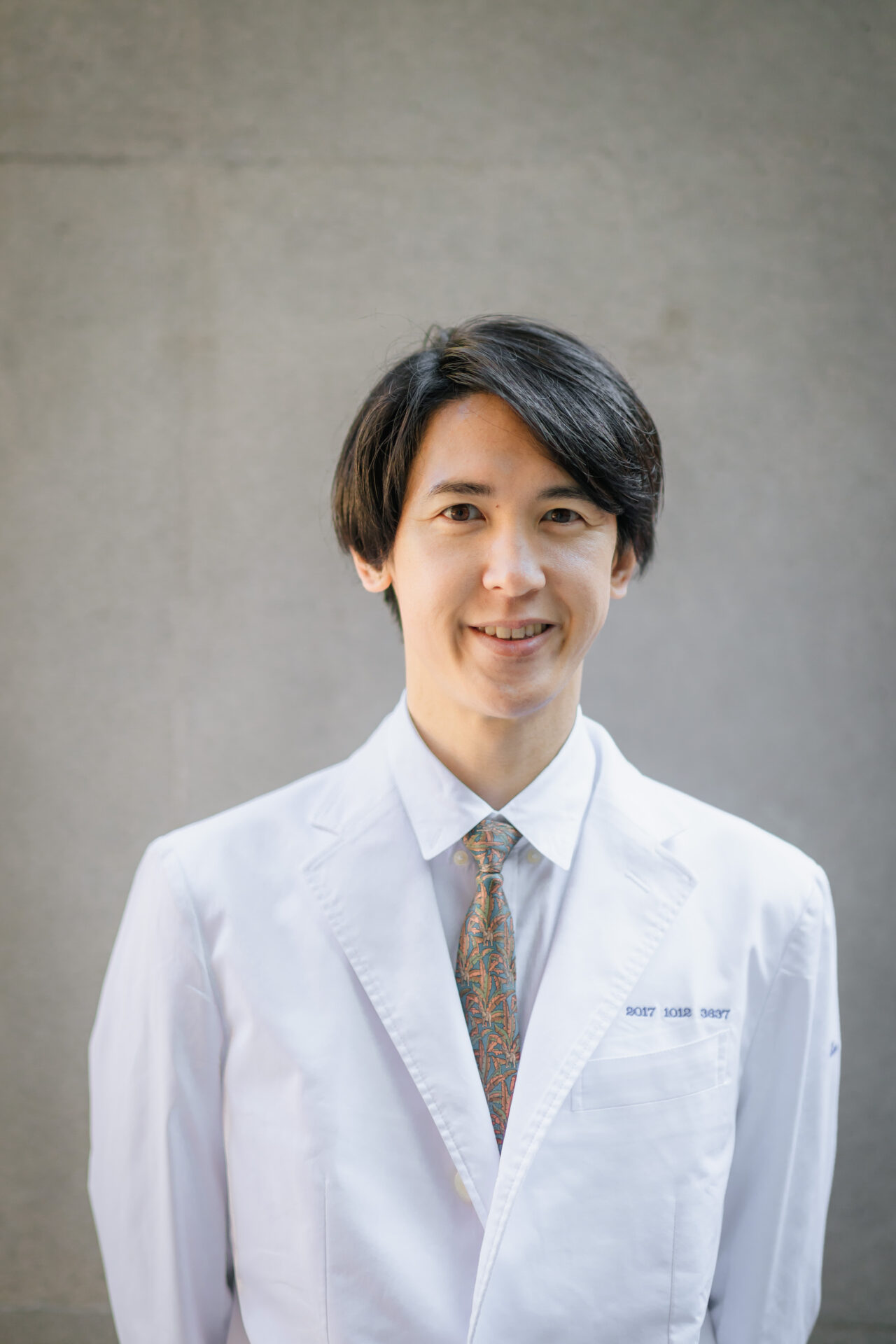
Group Chief Director, Smart Skin Clinic Group
Ishii Kota
Career
Graduated from Juntendo University School of Medicine
Worked at Tokyo Women's Medical University Hospital and affiliated facilities
Worked at a major aesthetic clinic in Tokyo
Affiliations / Qualifications
Board-certified specialist, Japan Surgical Society
Board-certified specialist, Japanese Society of Anti-Aging Medicine
What is Exosome Mesotherapy?
Exosome mesotherapy may sound like a complicated name, doesn't it? But it's actually a very simple treatment.
Simply put, this is a treatment that involves using a device to inject exosomes directly into the scalp. It is a particularly promising treatment for women struggling with thinning hair.
The definition and characteristics of exosomes
Many people may wonder, "What exactly is an exosome?"
Exosomes are like tiny sacs released from the cells of our body. They are about 30 to 150 nm in size, roughly one ten-thousandth the thickness of a strand of hair.
These tiny sacs are packed with proteins, RNA, and other substances essential for cell-to-cell communication. These substances play an important role within our bodies.
The potential of exosomes in treating thinning hair in women
You may be wondering how exosomes can help in the treatment of thinning hair.
In fact, exosomes hold the following remarkable potential:
- Activation of Hair Follicle Stem Cells: Growth factors and cytokines contained in exosomes awaken dormant hair follicle stem cells and promote the growth of new hair.
- Improving the Hair Follicle Environment: Exosomes help regulate the environment around the hair follicles. This creates conditions that promote hair growth.
- Reducing Inflammation: In some cases of female hair loss, inflammation plays a role. Since exosomes have anti-inflammatory effects, they may offer a potential solution to this problem.
- Effects on Hormonal Balance: A substance called microRNA found in exosomes may regulate the expression of hormone receptors in hair follicle cells. This could potentially help counteract the hormonal imbalances that cause female-pattern hair loss.
As such, exosome mesotherapy is a treatment that offers a multifaceted approach to female hair thinning (*It is also effective for men). Unlike conventional drug therapies or surgical treatments, it is gaining attention as a treatment that enhances the body’s natural regenerative abilities.
Next, let's take a closer look at female pattern hair loss.
About female pattern hair loss (FAGA)
Have you ever heard of "female pattern hair loss"?
In fact, it is one of the causes of thinning hair that troubles many women.
Female Androgenetic Alopecia (FAGA) is a chronic form of hair loss caused by a complex interplay of genetic factors and changes in hormonal balance. It might sound a bit complicated, but simply put, “it’s when hair thins due to the combined effects of genetics and hormones”.
Symptoms and causes of FAGA
The main symptoms of FAGA include the following:
- Hair on the crown and along the part gradually becomes finer and thinner
- The frontal hairline recedes (though not as noticeably as in male pattern baldness)
- Overall hair volume decreases
The main causes are thought to include the following:
- Genetic factors: Certain genes heighten the sensitivity of hair follicles to androgens (male hormones).
- Changes in hormonal balance: A decrease in estrogen and a relative increase in androgens play a role.
- Aging: As we age, the function of hair follicles declines.
- Stress: Chronic stress can negatively affect the hair growth cycle.
- Nutritional deficiency: A lack of certain vitamins or minerals can affect hair health.
The difference between AGA and FAGA
Male pattern baldness (AGA) and female pattern hair loss (FAGA) may seem similar, but they are actually different. Let's look at the main differences:
- Pattern of hair loss:
- AGA: Characterized by an M-shaped receding hairline and thinning at the crown.
- FAGA: The entire crown gradually thins, often forming what is called a Christmas tree pattern.
- Rate of progression:
- AGA: Tends to progress relatively quickly.
- FAGA: Often progresses more slowly than AGA.
- Hormonal influence:
- AGA: Primarily influenced by dihydrotestosterone (DHT).
- FAGA: In addition to DHT, a decrease in estrogen is also a major contributor.
- Genetic factors:
- AGA: Believed to be influenced mainly by inheritance from the mother's side.
- FAGA: Genetic influences from both parents are intertwined in a more complex way.
- Responsiveness to treatment:
- AGA: 5α-reductase inhibitors are effective.
- FAGA: The use of hormone therapy calls for careful judgment, and topical therapy is the mainstay of treatment.
The psychological impact of FAGA on women
FAGA is not merely a cosmetic concern. It can have a significant psychological impact on women.
- Lower self-esteem: Because hair is often seen as a symbol of a woman's beauty and youth, thinning hair can easily lead to a loss of confidence.
- Social anxiety: Many people feel anxious or self-conscious in social situations when their thinning hair is noticeable.
- Depressive symptoms: Chronic hair loss can become a source of stress and lead to depressive symptoms.
- Distorted body image: As hair loss progresses, self-image can easily turn negative.
- Impact on relationships: Concern over thinning hair can lead some people to avoid social interaction.
- Impact on career: A lack of confidence in one's appearance may lead to a more passive approach at work.
When you consider these psychological effects, treating FAGA carries importance beyond simply increasing hair growth; it can improve the patient's overall quality of life (QOL). Through effective hair regeneration, exosome mesotherapy may also contribute to resolving these psychological concerns.
Next, let's take a closer look at how exosome mesotherapy works.
How exosome mesotherapy works
How does exosome mesotherapy help revitalize hair?
Let us explain how it works in simple terms.
The origins of exosomes (ADSCs, DPCs, etc.)
Exosomes are produced by a variety of cells. The main sources of exosomes used in hair loss treatment are as follows:
- Adipose-Derived Stem Cells (ADSCs)
- Characteristics: Contain abundant growth factors and cytokines.
- Advantages: Relatively easy to collect and can be cultured in large quantities.
- Bone Marrow-derived Mesenchymal Stem Cells (BM-MSCs)
- Characteristics: Possess strong regenerative and immunomodulatory properties.
- Advantages: Systemic regenerative effects can be expected.
- Amniotic Fluid Stem Cells (AFSCs)
- Characteristics: Fetal-derived stem cells with high proliferative and differentiation potential.
- Advantages: Because they are derived from youthful cells, they may have a high regenerative capacity.
Exosomes extracted from these cells each have distinct properties and contain various growth factors, cytokines, and microRNAs. It's important to select the most suitable type of exosome according to the goal of treatment and the patient's condition.
The effect on the female hair growth cycle
Exosomes influence each stage of the female hair growth cycle and may contribute to improving thinning hair. Let's take a look at exactly how they may help:
- Prolonging the growth phase (anagen phase)
- Growth factors contained in exosomes (e.g., VEGF, FGF, IGF-1) promote the proliferation of hair follicle cells.
- Activating the Wnt/β-catenin signaling pathway promotes the differentiation of hair follicle stem cells.
- Delaying the regression phase (catagen phase)
- By supplying anti-apoptotic factors, they extend the lifespan of hair follicle cells.
- By suppressing TGF-β signaling, they delay the transition into the regression phase.
- Shortening the resting phase (telogen phase)
- By activating hair follicle stem cells, they help begin a new growth phase sooner.
- They enhance the function of dermal papilla cells and promote the formation of new hair.
- Improving the hair follicle microenvironment
- By supplying angiogenic factors, they improve the nutrient supply to hair follicles.
- Through their anti-inflammatory action, they help calm inflammation around the follicles.
- Regulating hormone sensitivity
- They regulate the expression of androgen receptors and help reduce the effects of DHT (dihydrotestosterone).
- They promote the expression of estrogen-related factors and strengthen the protective action of female hormones.
Through these combined actions, exosome mesotherapy takes a comprehensive approach to women's thinning hair. Unlike conventional drug therapy, it works by activating the body's own regenerative abilities, which may offer more natural and lasting results.
Furthermore, exosomes not only promote hair growth but also have a positive effect on overall scalp health. Their ability to improve scalp blood flow and reduce inflammation contributes to maintaining long-term hair health.
Next, let's take a closer look at the expected effects of exosome therapy for FAGA.
The expected effects of exosome therapy for FAGA
Exosome mesotherapy is expected to be effective in treating FAGA in several ways. Compared to conventional treatments, it is expected to provide more comprehensive and long-lasting improvements.
Increased hair density
Exosome therapy may be expected to increase hair density through the following mechanisms:
- Activating dormant hair follicles
- Growth factors contained in exosomes stimulate dormant hair follicle stem cells.
- This helps initiate a new hair cycle and increases the number of active hair follicles.
- Promoting the formation of new hair follicles
- Activation of the Wnt/β-catenin signaling pathway induces the formation of new hair follicles.
- It promotes the differentiation of hair follicle stem cells and supports the growth of new hair.
- Optimizing the hair follicle microenvironment
- By supplying angiogenic factors (such as VEGF), it improves blood flow around the hair follicles.
- This improves the supply of nutrients and oxygen, creating an environment in which more hair follicles are activated.
- Synchronizing the hair cycle
- The uniform transmission of growth signals by exosomes synchronizes the growth cycle of the hair follicles.
- As a result, it helps promote the growth of denser hair.
Improved hair thickness
Exosome therapy has the potential to improve hair thickness through the following mechanisms:
- Activating hair matrix cells
- By supplying growth factors (IGF-1, FGF, etc.), it promotes the proliferation and differentiation of hair matrix cells.
- More keratin-producing cells are formed, leading to the production of thicker hair.
- Enhancing dermal papilla cell function
- Factors contained in exosomes stimulate dermal papilla cells and enhance their function.
- Growth signals from the dermal papilla cells are strengthened, supporting the formation of thicker hair.
- Promoting keratin synthesis
- MicroRNAs contained in exosomes regulate the expression of genes related to keratin synthesis.
- The result is stronger, more voluminous hair.
- Improving hair follicle structure
- It promotes the production of collagen and elastin and strengthens the structure of the hair follicles.
- This builds a stronger foundation to support thicker hair.
Comparison with conventional FAGA treatments
Compared with conventional FAGA treatments, exosome mesotherapy is expected to offer the following advantages:
- Compared with topical minoxidil
- Exosomes: Promote more natural hair growth, with the potential for longer-lasting effects.
- Minoxidil: Acts quickly, but requires continuous use and tends to lose its effect once discontinued.
- Compared with low-level laser therapy (LLLT)
- Exosomes: Deliver growth factors directly, with the potential for a more powerful regenerative effect.
- LLLT: Activates hair follicle metabolism but does not directly supply growth factors.
- Compared with hair transplant surgery
- Exosomes: Non-invasive, with the potential to improve overall hair quality.
- Hair transplant surgery: Provides an immediate effect, but is invasive and does not improve the quality of existing hair.
- Compared with hormone therapy
- Exosomes: Promote hair growth without directly altering the hormonal balance.
- Hormone therapy: Has systemic effects and carries a higher risk of side effects.
- Compared with nutritional supplements
- Exosomes: Act directly on the hair follicles, allowing for more effective delivery of nutritive factors.
- Nutritional supplements: Improve overall nutritional status, but have a limited direct effect on the hair follicles.
A notable feature of exosome mesotherapy is its multifaceted approach. It not only promotes hair growth but also improves the overall health of the scalp, offering the potential for long-term, sustainable results. Furthermore, when using exosomes derived from the patient’s own cells, the risk of allergic reactions is low, making it a potentially safer treatment option.
*Please keep in mind that results may vary depending on individual condition and the degree of thinning.
Therefore, in treating FAGA, carefully evaluating each patient's individual situation and appropriately combining exosome mesotherapy with conventional treatments may help achieve the best possible results.
Next, let's take a closer look at the exosome procedure for women.
Exosome treatment method
The way exosome mesotherapy is performed is key to treating thinning hair safely and effectively.
Methods of injecting into the scalp (multi-needle, Dermapen, etc.)
There are several options for introducing exosomes into the scalp:
- Multi-needle injection
- Characteristics: Uses multiple fine needles at once, allowing for uniform injection.
- Advantages: Less painful, and can treat large areas efficiently.
- Note: Proper adjustment of the depth is required.
- Dermapen
- Characteristics: Uses a motorized fine-needle device.
- Advantages: Allows precise control of injection depth and uniform treatment.
- Note: Operating it requires skill.
- Mesogun
- Characteristics: Uses an automatic injector to deliver a set amount of exosomes.
- Advantages: The treatment time is short, and a uniform injection volume is ensured.
- Note: Individual adjustments can be difficult.
- Microneedle patch
- Characteristics: A patch fitted with fine needles is impregnated with exosomes.
- Advantages: Almost painless and can be used at home.
- Note: Deep penetration is more limited than with other methods.
Recommended number/frequency of treatments
The optimal number and frequency of exosome mesotherapy sessions depends on each patient's condition and response, but the general guidelines are as follows:
- Initial intensive treatment phase
- Frequency: Once every 2 to 4 weeks
- Duration: 3 to 6 months
- Objective: To activate the hair follicles and initiate a new hair growth cycle
- Maintenance phase
- Frequency: Once every 1 to 3 months
- Duration: Adjusted according to individual response (usually 1 year or longer)
- Objective: To maintain the improvements achieved and further enhance hair quality
- Long-term follow-up
- Frequency: Once every 3 to 6 months
- Duration: Ongoing
- Objective: To maintain long-term results and help prevent recurrence
Notes:
- It's important to remain flexible and adjust the plan according to each patient's individual response and lifestyle.
- We conduct regular follow-ups and modify the treatment plan as needed.
Exosome mesotherapy is an innovative approach that opens up new possibilities for treating thinning hair in women. Through appropriate treatment methods and an individualized protocol, it is hoped to bring hope to women troubled by FAGA. That said, because it is still a relatively new treatment, ongoing research and observation are needed regarding its long-term effectiveness and safety.
Next, let's take a closer look at the safety and side effects of exosome therapy.
Female thinning hair patterns for which exosome mesotherapy is indicated
Thinning hair in women often follows a different pattern than in men, and its causes are more complex.
Exosome mesotherapy is expected to be effective for a variety of female thinning hair patterns. Here, let's take a closer look at the main female thinning hair patterns and the indications for exosome mesotherapy.
Diffuse hair loss
- Features
- The entire crown gradually thins.
- The hairline is often preserved.
- This is a typical pattern of female pattern hair loss (FAGA).
- Indications for exosome therapy
- Highly suitable: A comprehensive approach is possible for widespread thinning.
- Expected effect: An increase in hair density can be expected through the activation of hair follicle stem cells.
- Treatment approach
- Exosomes are injected across the entire crown.
- Regular treatments (e.g., once a month) over several months are recommended.
Frontal hair loss
- Features
- The hair gradually recedes from the frontal area (the forehead hairline).
- Stress and genetic factors are often involved.
- Indications for exosome therapy
- Moderately suitable: Localized treatment is effective.
- Expected effect: Increased hair density in the frontal area and improvement of the hairline can be expected.
- Treatment approach
- Intensive exosome injections are administered to the frontal area.
- Combining it with microneedling techniques may enhance the results.
Crown hair loss (Christmas tree pattern)
- Features
- A triangular area of thinning that gradually spreads from the center of the crown.
- Aging and changes in hormonal balance are the main causes.
- Indications for exosome therapy
- Highly suitable: Both localized and widespread treatment is possible.
- Expected effect: An increase in hair density and a reduction in the area of thinning can be expected.
- Treatment approach
- Exosomes are injected radially outward from the center of the crown.
- It's important to adjust the treatment density according to the degree of thinning.
Traction alopecia
- Features
- This is hair loss caused by chronic tension from hairstyles.
- It is most often seen along the hairline and on the temples.
- Indications for exosome therapy
- Moderately suitable: Repair and reactivation of the hair follicles can be expected.
- Expected effect: Recovery of damaged hair follicles and promotion of new hair growth can be expected.
- Treatment approach
- Localized injections are administered to the affected areas.
- It's important to combine this with guidance on improving the hairstyles causing the problem.
- Points to note
- Removing the underlying cause (excessive tension) is essential.
Alopecia areata
- Features
- Characterized by sudden round or oval patches of hair loss.
- It is a type of autoimmune disease.
- Indications for exosome therapy
- Experimental stage: There are hopes for an immunomodulatory effect.
- Expected effect: Calming of inflammation and reactivation of hair follicles can be expected.
- Treatment approach
- Exosomes are injected directly into the bald patches.
- It may be combined with immunosuppressive therapy.
Post-menopausal thinning hair
- Features
- Characterized by overall hair thinning associated with declining estrogen.
- Thinning on the crown and temples is often noticeable.
- Indications for exosome therapy
- Highly suitable: Able to address the decline in follicle function associated with hormonal changes.
- Expected effect: Improvement in hair thickness and density can be expected.
- Treatment approach
- Exosomes are injected across the entire scalp.
- Combination with hormone replacement therapy may also be considered.
Exosome mesotherapy is expected to improve these various patterns of hair thinning in women.However, since each pattern and each client’s situation differs, it is important to undergo treatment following a proper medical examination.
Safety Initiatives | Compliance with the Guidance of the Japanese Society for Regenerative Medicine
Our Exosome IV drip therapy is carried out in accordance with the "Guidance on the Clinical Application of Extracellular Vesicles, etc. (1st Edition)," published by the Japanese Society for Regenerative Medicine on April 30, 2024.
This guidance serves as an important set of principles for ensuring the safety and efficacy of exosome therapy, and at our clinic we carry out rigorous quality control and safety measures based on this guidance.
Our clinic's specific measures to ensure safety
- Conducting risk profiling
- We identify the potential risks associated with treatment and take appropriate measures.
- Rigorous preparation processes and quality control
- Our manufacturing processes and quality checks are based on the latest scientific findings.
- Carrying out appropriate verification of effectiveness
- We continually assess the effectiveness of treatment and strive to provide the most suitable care for each patient.
Placing your safety first, we are committed to providing treatment grounded in the latest scientific findings.
Pricing
The going rate for exosome mesotherapy in Tokyo
The typical price range in Tokyo is approximately 100,000 to 200,000 yen per session. (As of August 2024)
Smart Skin Clinic Price List
Exosome Mesotherapy [umbilical cord derived]
| 2cc | |
|---|---|
| Once | 79,800 yen |
| 3 times | 224,400 yen (74,800 yen per session) |
| 5 sessions | 349,000 yen (per session 69,800 yen) |
| 10 sessions | 598,000 yen (Per session 59,800yen) |
| 4cc | |
|---|---|
| Once | 99,800 yen |
| 3 times | 284,400 yen (94,800 yen per session) |
| 5 sessions | 449,000 yen (Per session 89,800yen) |
| 10 sessions | 798,000 yen (Per session 79,800yen) |
| 6cc | |
|---|---|
| Once | 129,800 yen |
| 3 times | 374,400 yen (124,800 yen per session) |
| 5 sessions | 599,000 yen (Per session 119,800yen) |
| 10 sessions | 1,098,000 yen (Per session 109,800yen) |
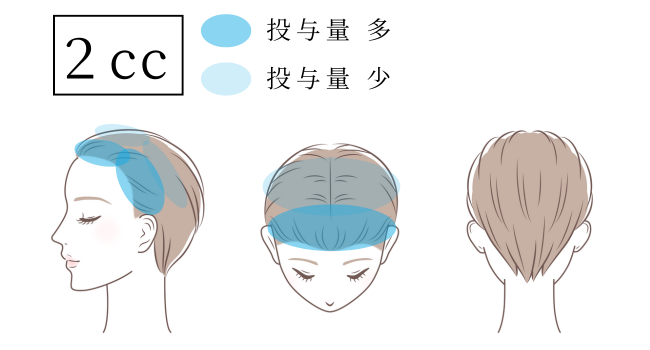
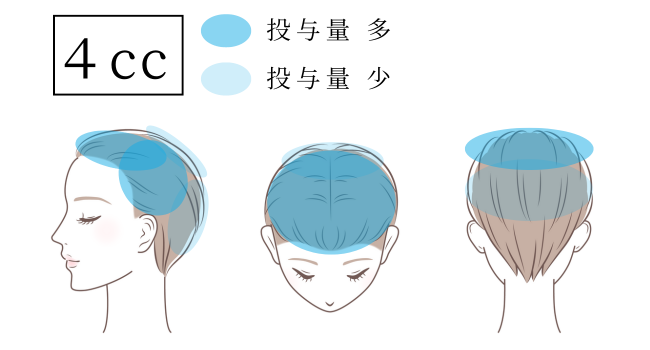
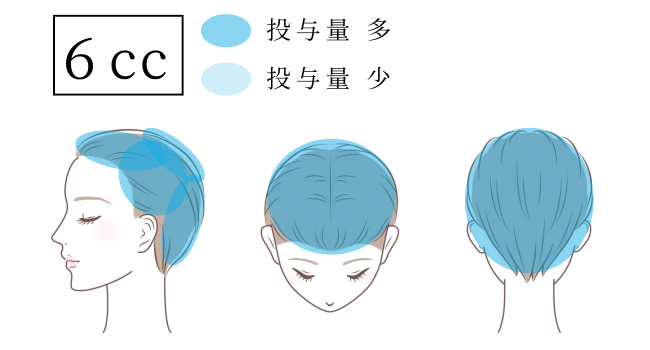
Aftercare | Care after treatment and precautions for daily life
- Care immediately after treatment
- Avoid touching the scalp for the first 4 to 6 hours immediately after the procedure.
- Follow your doctor's instructions and apply cooling as needed.
- Shampooing and washing your hair
- As a rule, refrain from washing your hair for 24 hours after the procedure.
- After that, wash your hair while gently massaging your scalp.
- Exercise and bathing
- Avoid strenuous exercise for 3 to 5 days.
- Avoid hot baths and saunas for about a week.
- Sun protection
- Avoid direct sunlight for about 2 weeks after the procedure.
- We recommend wearing a hat or sun visor when going outside.
- Hair styling
- Use a hair dryer on a low-temperature setting.
- Please refrain from harsh chemical treatments (coloring and perms) for about a month.
- Improving lifestyle habits
- Make an effort to eat a well-balanced diet.
- It's important to maintain adequate sleep and moderate exercise.
- What to do if something seems wrong
- Please consult us if you notice any abnormality in your scalp (severe pain, swelling, redness, etc.).
Safety and side effects
Because exosome mesotherapy is a relatively new treatment, it's important to have a good understanding of its safety and potential side effects. Especially in treating thinning hair in women, it's necessary to consider the long-term effects and specific risks.
Known side effects
The currently reported side effects of exosome mesotherapy are relatively minor and include the following:
- Injection site reactions
- Mild redness or swelling: In many cases, this resolves on its own within 24 to 48 hours.
- Itching or mild pain: Usually temporary, improving within a few days.
- Bruising: Occurs rarely and disappears within 1 to 2 weeks.
- Changes in scalp sensation
- Temporary numbness or hypersensitivity: Usually improves within hours to days after treatment.
- A tingling sensation on the scalp: Rarely reported, and can be eased with proper aftercare.
- Temporary effects on the hair
- Initial shedding: May occur temporarily as a new hair growth cycle begins.
- Changes in hair texture: Hair may become finer in the early stages of treatment, but this usually improves.
- Systemic reactions (extremely rare)
- Mild fatigue or headache: Usually resolves on its own within 24 hours.
- Allergic reactions: Very rare, but severe cases require immediate medical attention.
Precautions during pregnancy and breastfeeding
Because the safety of exosome therapy in pregnant and breastfeeding women has not been well established, the following precautions are necessary:
- Use during pregnancy
- As a rule, exosome therapy is not recommended during pregnancy.
- Given the potential effects on the fetus, women planning a pregnancy should also exercise caution.
- Use during breastfeeding
- While exosomes are unlikely to be passed through breast milk, there is not enough data available.
- Use during breastfeeding should be carefully considered, and if possible, it's preferable to postpone treatment.
- Considerations for women of childbearing age
- Before starting treatment, we confirm whether there is any possibility of pregnancy.
- We recommend the use of appropriate contraception during the treatment period.
Frequently Asked Questions (Q&A)
- Can exosome therapy help women with thinning hair?
-
Yes, exosome therapy may be effective for thinning hair in women. Exosomes act to activate hair follicle stem cells and promote hair growth. It is also indicated for female-specific patterns of thinning hair (such as diffuse hair loss and thinning at the crown).
- When do the effects of exosome therapy begin to appear?
-
This varies from person to person, but the initial effects usually begin to appear in about 3 to 6 months. In line with the hair growth cycle, the effects gradually become apparent over a period of 6 to 12 months.
- Can I receive exosome therapy while pregnant or breastfeeding?
-
Exosome therapy is not recommended during pregnancy or breastfeeding. Because the effects on the fetus and infant have not been adequately studied, it should be avoided for safety reasons. If you are planning to become pregnant, it's also important to consult your doctor beforehand.
- Are there any side effects from exosome therapy?
-
No serious side effects have been reported in studies to date. Common side effects include mild pain, swelling, and redness at the injection site, which usually resolve on their own within a few days.
- Does exosome therapy work in a single session? Or are multiple sessions needed?
-
A single treatment can be effective, but multiple treatments are usually recommended. Generally, 3 to 6 treatments are given every 2 to 4 weeks, followed by ongoing maintenance treatment.
- Is there anything I should be careful about in my everyday hair care after exosome treatment?
-
After treatment, it's important to use scalp-friendly shampoo, avoid excessive heat styling, and maintain a healthy diet. Protecting your scalp from strong sunlight is also important.
Physician Who Supervised This Page
Smart Skin Clinic, Chief Medical Director / Physician
Kota Ishii
We oversee treatment policies across the entire group, tailored to the skin condition of each individual patient. The content on this page has been reviewed and approved in line with our clinic's treatment policies.
Interview with Director Kota Ishii
Kota Ishii, our Chief Medical Director, shares our clinic's approach to patient care.
Clinic List
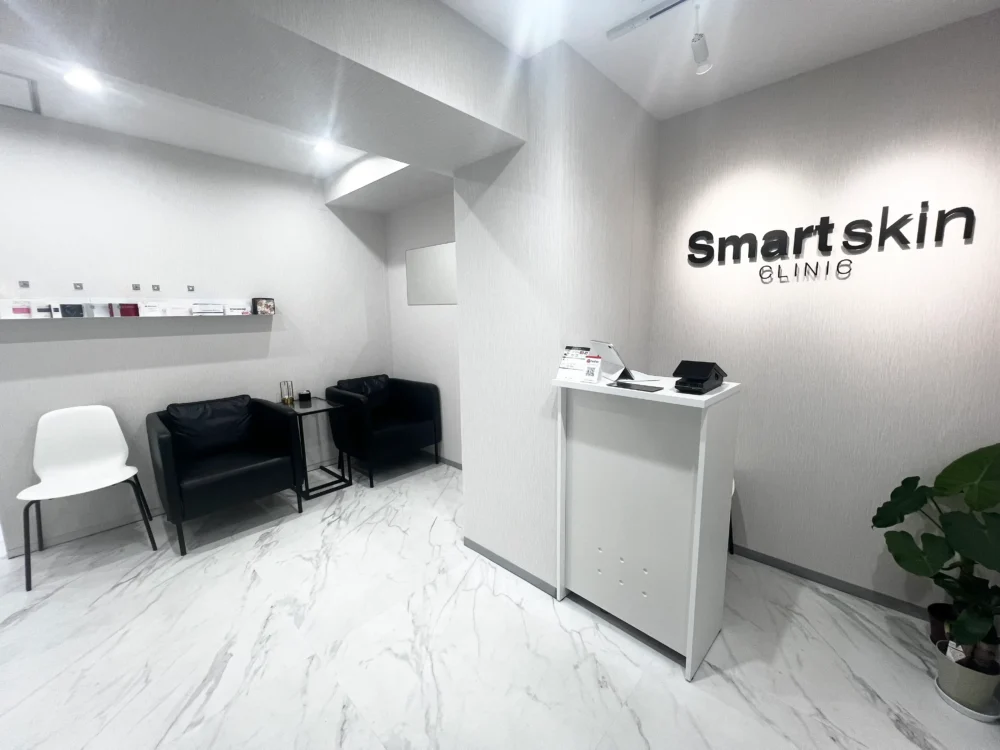
Jimbocho Clinic
〒101-0054
3-16-1 Kanda Nishiki-cho, Chiyoda-ku, Tokyo, EX Kanda Nishiki-cho Building 8F (general reception) / 7F
Hours: Mon–Fri 11:00–20:00 / Sat & Sun 10:00–19:00
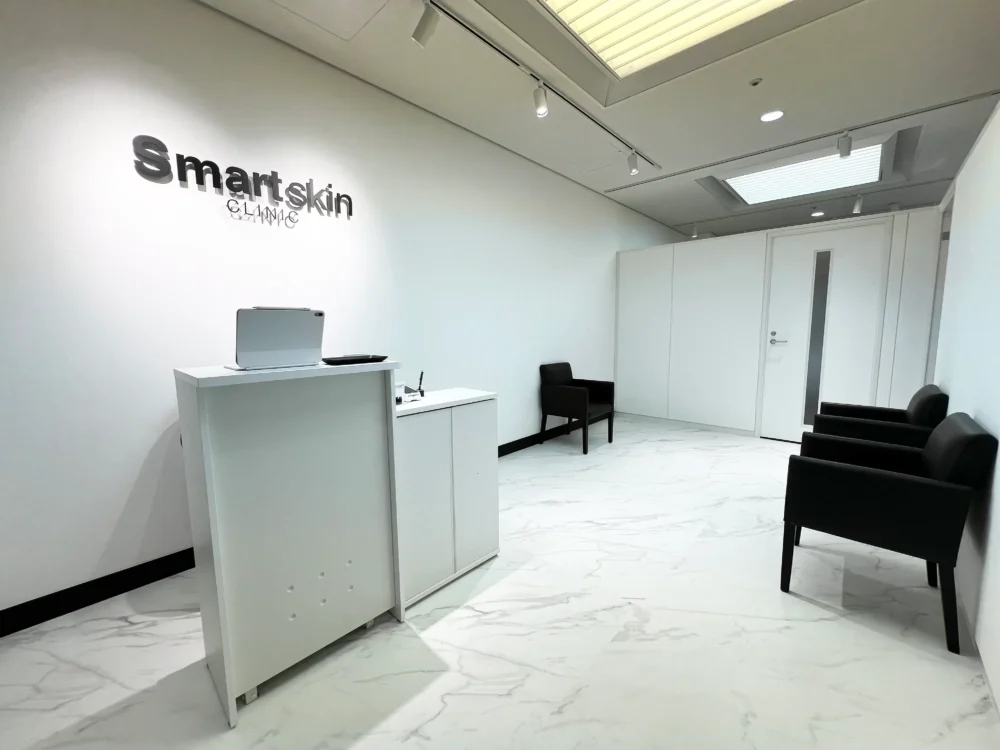
Yokohama Clinic
〒221-0835
TS Plaza Building 2F, 2-23-2 Tsuruya-cho, Kanagawa-ku, Yokohama-shi, Kanagawa
Hours: 10:00–19:00

Hatchobori Clinic
104-0032
2nd Floor, Tokyo NS Building, 2-29-4 Hatchobori, Chuo-ku, Tokyo
Hours: 10:00 a.m.–7:00 p.m. (Closed from 1:00 p.m. to 2:00 p.m.) / Closed: Mondays and Thursdays