






![[Official] Smart Skin Clinic Group](https://smartskin-clinic.com/wp-content/uploads/2023/05/Smart-skin-clinic-ロゴ500-×-100-px.png)
What Is a Thread Lift? | A Doctor Explains the Effects, Cost, Downtime, and Duration

Group Chief Director, Smart Skin Clinic Group
Ishii Kota
Career
Graduated from Juntendo University School of Medicine
Worked at Tokyo Women's Medical University Hospital and affiliated facilities
Worked at a major aesthetic clinic in Tokyo
Affiliations / Qualifications
Board-certified specialist, Japan Surgical Society
Board-certified specialist, Japanese Society of Anti-Aging Medicine
What Is a Thread Lift? How Non-Surgical Lifting Works
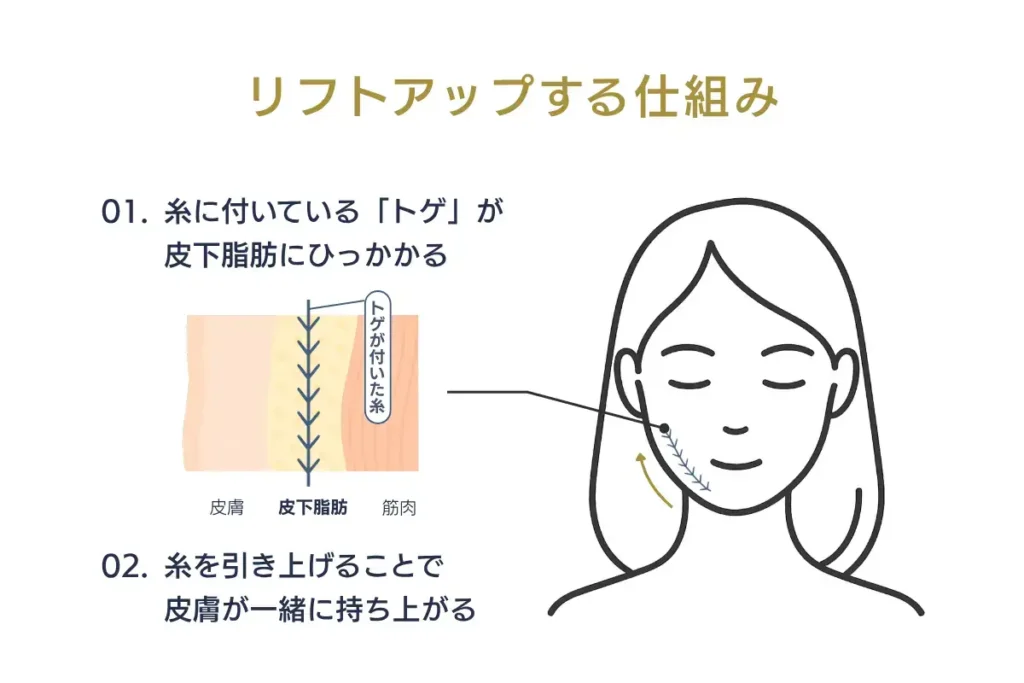
A thread lift is a lifting treatment that physically raises the jawline by inserting special threads under the skin without using a scalpel.²
Also known as a "non-surgical facelift," it is characterized by short downtime and a tightening effect that is easy to feel right after the procedure.
It is chosen by a wide range of people from their 20s to their 60s. The purpose is essentially to lift the face, though the goals differ somewhat by age group.
- 20s: Creating a V-line and preventing future sagging
- 30s–60s: Improving nasolabial folds and jawline sagging
The threads used are made of materials absorbed by the body (such as PDO), and the foreign-body reaction also stimulates collagen production, so a skin-beautifying effect can be expected as well.
Who a Thread Lift Is Recommended For and the Concerns It Can Address
This treatment is well suited to those with concerns such as the following:
- Sagging cheeks and jawline
- Nasolabial folds and marionette lines
- Wanting to reshape a double chin or create a V-line
- Wanting to prevent future sagging
- Wanting a firm lift without using a scalpel
※ For severe sagging, surgical procedures such as a facelift may be more appropriate.
How a Thread Lift Achieves Its Lift
A thread lift passes "barbed threads (cogs)" under the skin to physically hook the tissue and pull it upward, thereby reshaping the jawline.
Specifically, one end of the thread is inserted to around the nasolabial folds and marionette lines. From there, the other end is guided up toward the temple area.
Because the threads have "barbs (cogs)" like a fishhook, the tissue under the skin catches on the threads, lifting the entire cheek.
A Skin-Beautifying Effect from Increased Collagen Production
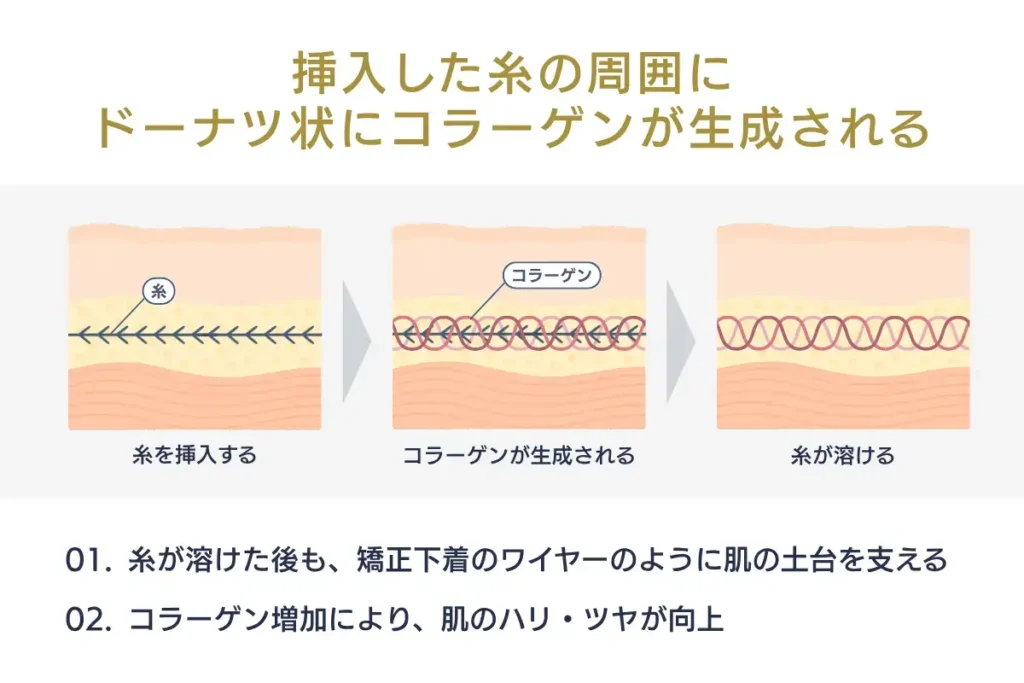
With thread lifts, the stimulation from the threads activates fibroblasts within the skin, promoting the production of collagen and elastin. As a result, in addition to a lifting effect, skin firmness and radiance are improved, fine lines are reduced, and other skin-beautifying effects are achieved.
Animal studies have shown that 4 weeks after thread insertion, fibroblasts and collagen markedly increased around the threads, with confirmed tissue contraction.¹
Ultrasound analysis in actual clinical practice has also reported that collagen density increased by up to +38% over the 3 to 12 months following PDO thread insertion.⁴
Furthermore, since the collagen produced continues to support the skin from within even after the threads are absorbed, it is said to help maintain the lifting effect for about 1 to 2 years. In addition to the lifting effect that can be felt immediately after the procedure, a key feature of thread lifts is that the internal reactions that occur also provide future sagging prevention benefits.
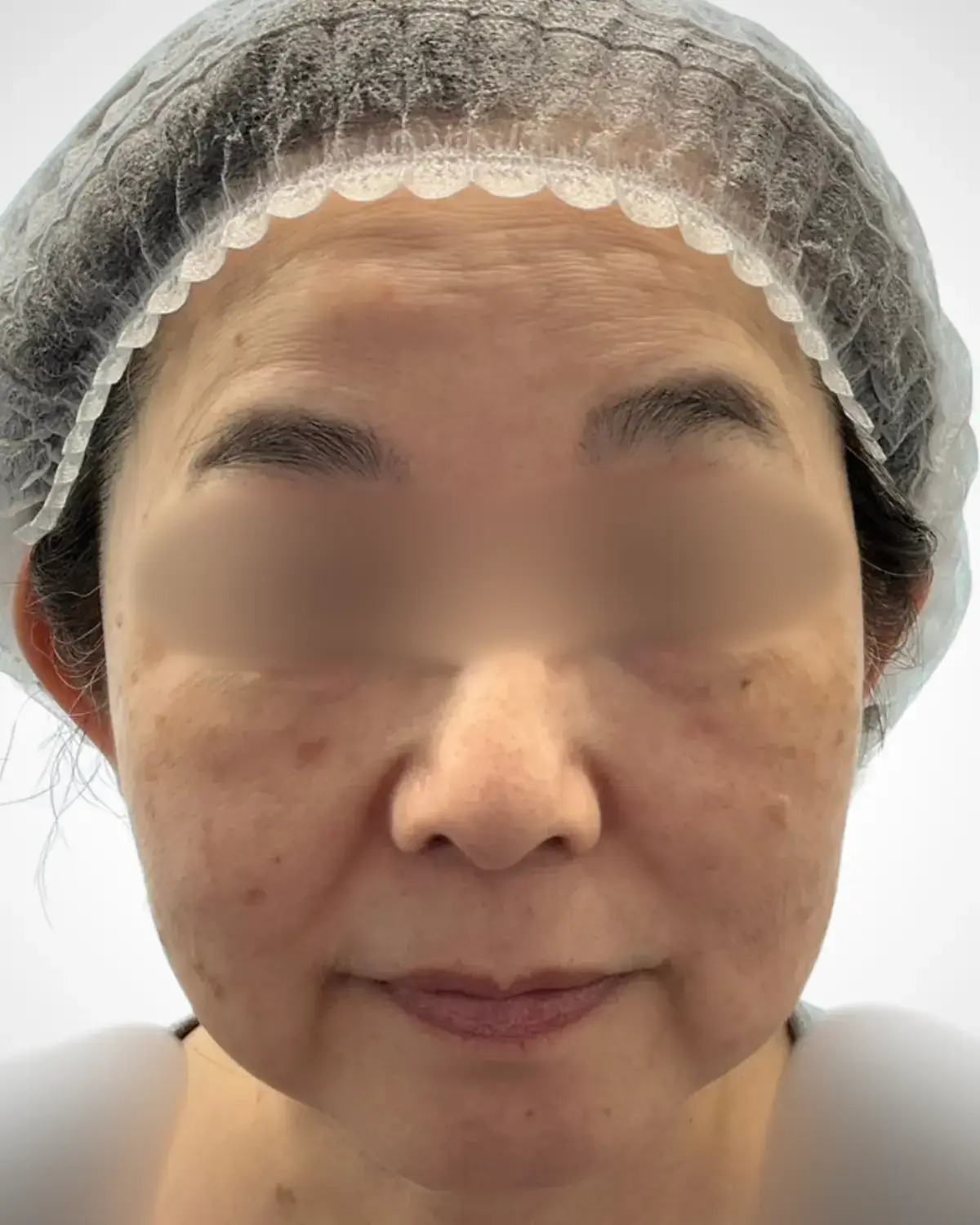
Case Photos (Before/After)
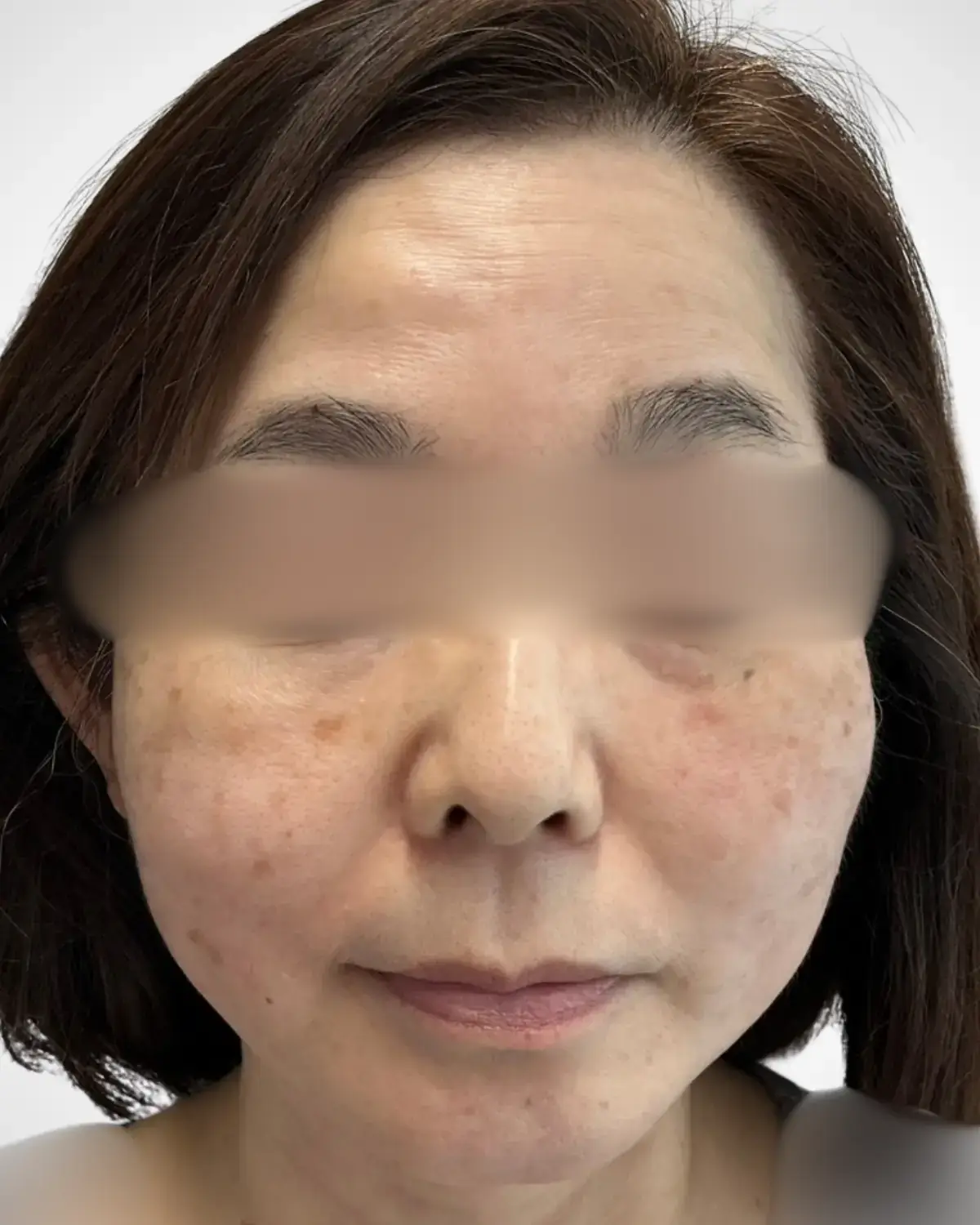
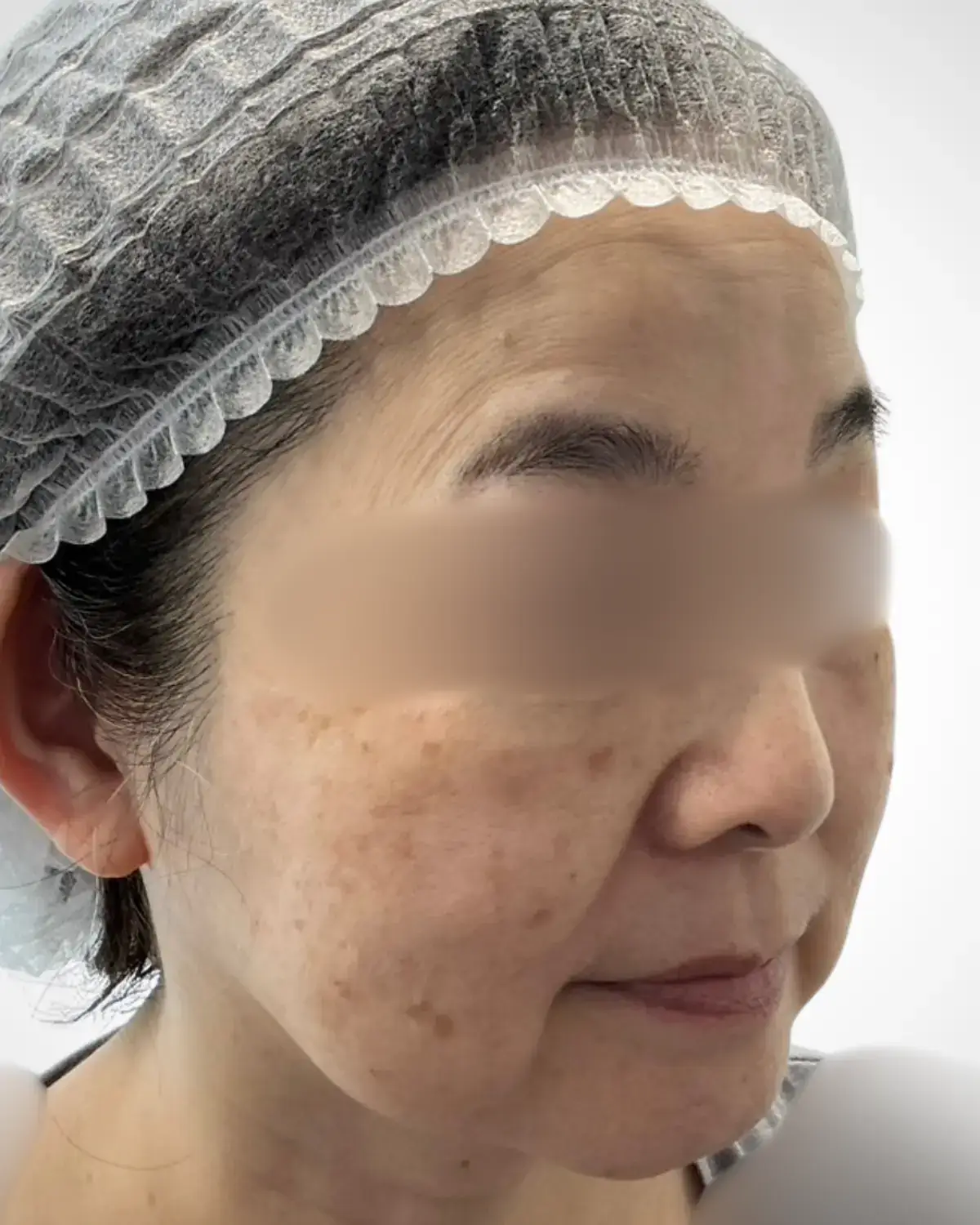
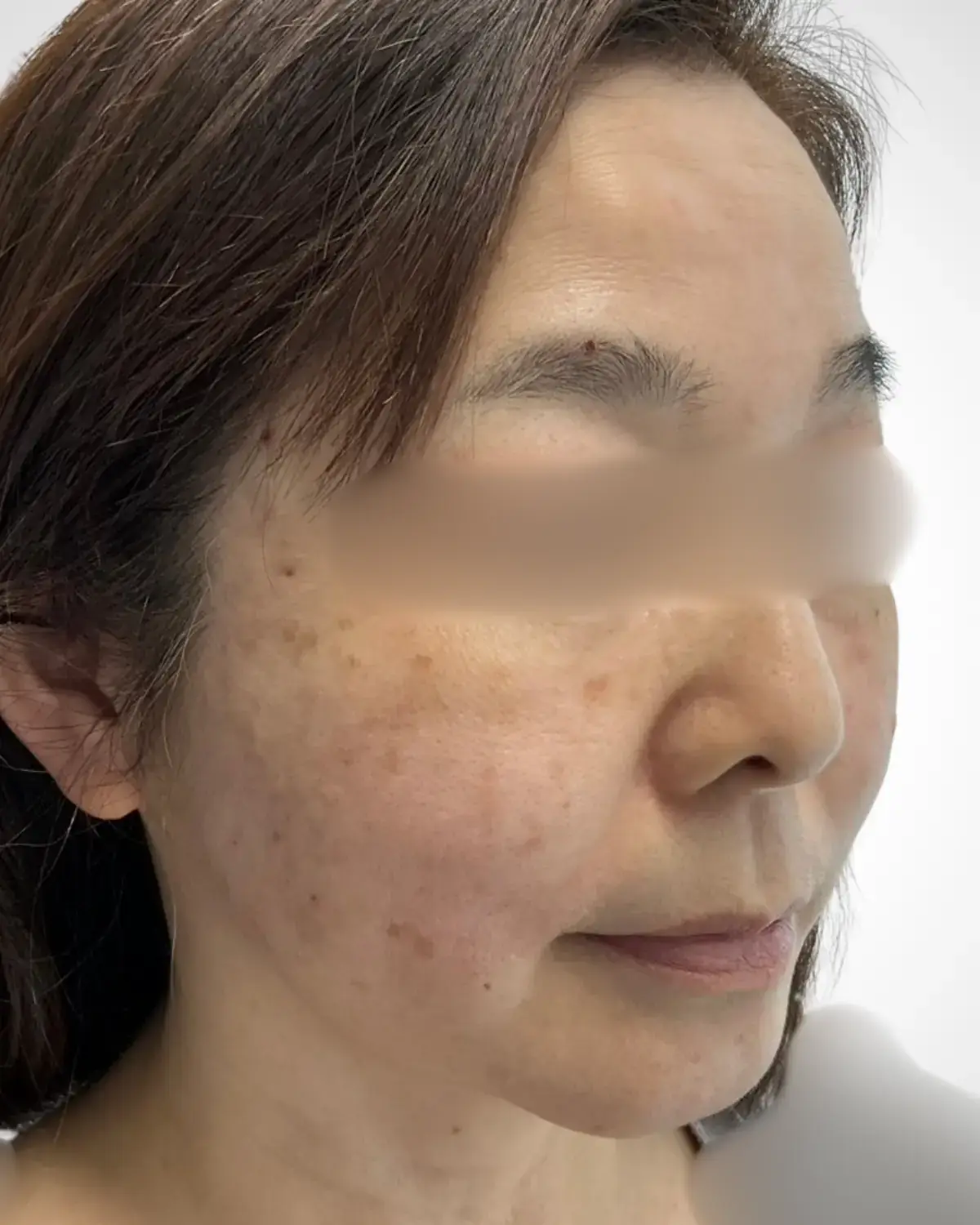
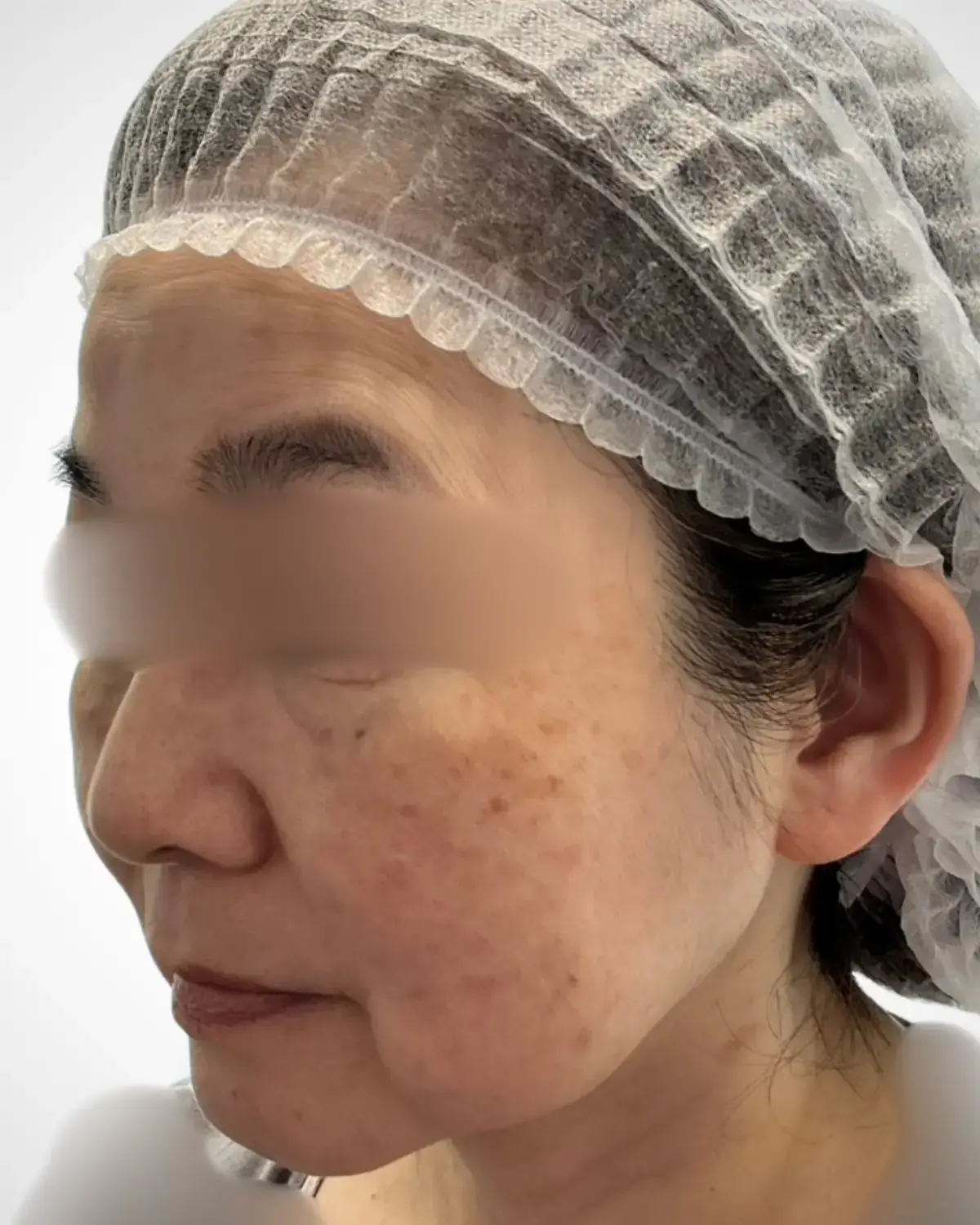
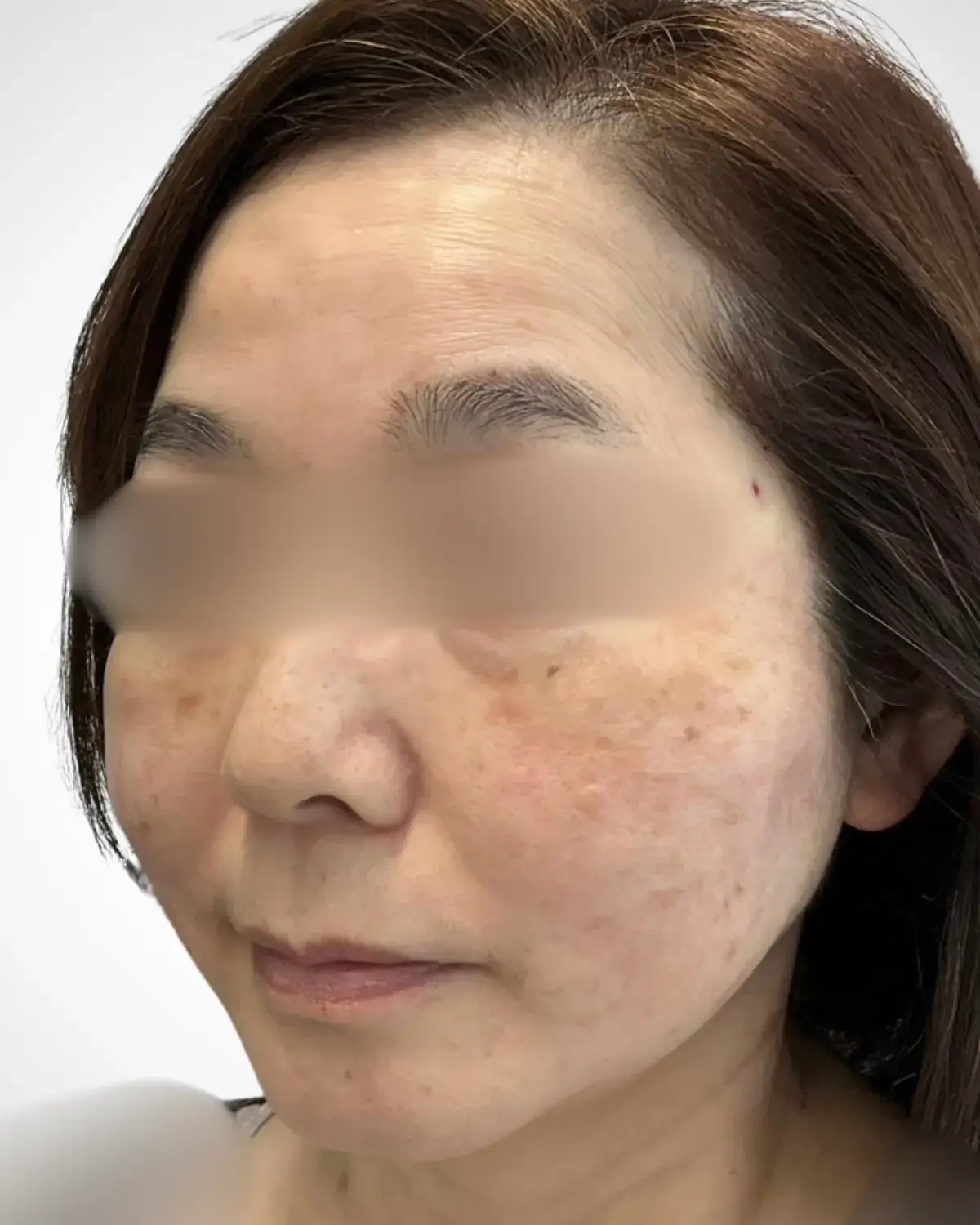
The Effects and Benefits of a Thread Lift
"How effective is a thread lift?" and "How long does it last?" are questions we are often asked.
In this section, we’ll provide an easy-to-understand overview of everything from the immediate results right after the treatment, estimated duration of effects, and the long-term skin improvements brought about by collagen.
A Lifting Effect You Can Feel Right Away
The greatest feature of the thread lift is its immediacy—it "lifts right away."
Many patients notice that their sagging jawline and cheeks become firmer immediately after the procedure, and nasolabial folds and marionette lines become less noticeable.
- Immediately after the procedure: A visibly noticeable lift
- 1–2 weeks: Swelling and bruising subside, and facial expression becomes natural
At Smart Skin Clinic, we make tailored adjustments. Specifically, we ask about each person's wishes—such as "I'd like a natural change" or "I want a firm lift"—and adjust accordingly.
How long do the effects last?
The lifting effect of thread lifts is not permanent; generally, six months to one year is considered the typical duration. The peak of the visible results is 3 to 6 months after the procedure.
After that, the threads are gradually absorbed, and retouching every 6 to 12 months helps maintain a stable effect.
However, the duration is greatly influenced by the "material and type of thread."
| Thread Type | Approximate Duration | Features |
|---|---|---|
| PDO | Approx. 6–12 months | For beginners / lower price |
| PLLA | Approx. 12–18 months | Higher collagen-stimulating power |
| PCL | Approx. 18–24 months | Superior strength and durability |
As shown in the table above, this varies widely from PDO to PCL.
Major overseas medical institutions state that the lifting effect lasts "approximately one to three years."³
The "Delayed Effect" from Collagen, Too
When threads are inserted under the skin, the body recognizes them as foreign bodies, stimulating fibroblasts and promoting the production of collagen and elastin.
As a result, a skin-beautifying effect can be expected at the same time. Specifically, the effects develop along the following timeline.
- 1–3 months after the procedure: Improved firmness and radiance / better skin quality
- From 6 months onward: Even as the threads are absorbed, collagen supports the skin's foundation.
So after a thread lift, the skin does not "completely return to its original state"; instead, the collagen foundation creates a "better condition than before the procedure."
In fact, it has been shown that collagen production may continue beyond six months after treatment.⁴
The Disadvantages and Risks of a Thread Lift
Thread lifts are a popular treatment for sagging skin, but understanding the potential side effects and cases of complications in advance is the first step toward undergoing the procedure with peace of mind. Here, we’ve summarized common risks and concerns by category.
Downtime Symptoms and Duration
Although recovery is faster than with surgery involving a scalpel, the following temporary symptoms may occur immediately after the procedure.
- Swelling, puffiness, and bruising (peaks in 1 to 3 days, settles in 1 to 2 weeks)
- Tightness, difficulty opening the mouth, and discomfort (usually eases gradually)
- Mild pain or tenderness (controllable with painkillers)
Possible Side Effects and Complications
Although they occur infrequently, the risk of side effects such as those listed belowis not zero.
| Risks | Contents | Notes |
|---|---|---|
| Infection | Bacteria entering through the thread insertion site / redness, swelling, pus, etc. | Mostly preventable with prior hygiene management |
| Unevenness or lumps | Occurs, for example, when threads are placed in too shallow a layer | Usually improves on its own / removal is considered if it persists |
| Left-right asymmetry | Imbalance in the number of threads or tension / differences in how swelling appears | Often evens out naturally, but can be readjusted |
| Other | Thread protrusion or breakage, and rarely nerve irritation | Treatment by an experienced doctor is key to prevention |
A systematic review reported bruising in 26%, swelling in 16%, infection in 2%, and thread exposure in 5%.⁶
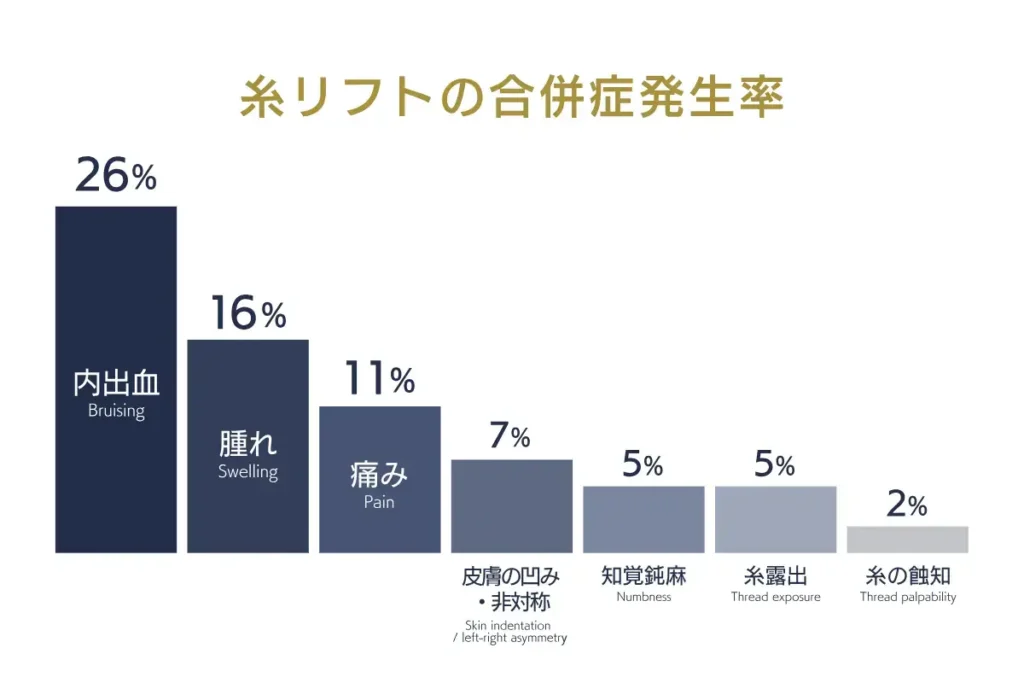
Pain During and After the Procedure
With thread lifts, pain is typically managed using local anesthesia. Most of the discomfort consists of mild tingling or tenderness that occurs during the injection of the anesthetic or a few hours after the procedure, and can be adequately controlled with pain medication.
- For those who are nervous about anesthetic injections, some clinics offer options such as nitrous oxide anesthesia or intravenous anesthesia.
- Post-procedure pain usually peaks within 3 days and eases within about a week.
- In most cases, it can be managed with over-the-counter medication (e.g., Loxonin, acetaminophen).
Cases of Failure and How to Avoid Them
When performed correctly, a thread lift is a highly effective procedure, but "unexpected results" such as the following can occur.
| Example of Failure | Cause | Countermeasure |
|---|---|---|
| Threads showing through | Wrong thread selection / insertion too shallow | The design must match the thickness of the skin |
| Surface unevenness | Cogged threads lifting up | Most cases improve on their own / if prolonged, removal is arranged |
| Left-right asymmetry | Insufficient technical balance or a difference in swelling | Can be improved by readjustment; often it is a matter of waiting a few months |
| Dissatisfaction with the result | A gap in expectations or insufficient explanation | Sharing the desired image during counseling is important |
Types of Thread Lift and How to Choose
Thread lifts come in various "materials," "shapes," and "techniques," and these differences change the "strength of the effect," the "duration," and the "price." Here we outline the basic types and how to choose the thread lift that's right for you.
Absorbable vs. Non-Absorbable Threads
- Absorbable sutures (currently the most common): Dissolve in the body over a period of several months to several years. They are gradually absorbed naturally while promoting collagen production.
- Non-absorbable sutures (traditional type): Permanent sutures that remain in the body (e.g., gold sutures). In recent years, these have not been recommended due to the risk of infection or a foreign body sensation.
Non-absorbable threads have been flagged for the risk of infection and exposure from remaining in the body, and absorbable threads are now the norm.⁵
By Thread Material|The Three Mainstream Types
As in the earlier chart, the three mainstream thread materials are the three shown in this table.
| Thread Type | Approximate Duration | Features |
|---|---|---|
| PDO | Approx. 6–12 months | For beginners / lower price |
| PLLA | Approx. 12–18 months | Higher collagen-stimulating power |
| PCL | Approx. 18–24 months | Superior strength and durability |
In experimental comparisons, PCL has been shown to stimulate about 1.5 times more collagen production than PDO or PLLA.⁵
In addition, the latest reviews describe the development of mesh-structured absorbable threads, which are expected to further prolong the lasting effect.⁷
Thread Shapes and Types of Technique
① Cogged thread lift (this is what is commonly called a thread lift)
- Jagged "barbs" catch the skin and pull it up.
- The effect is easy to feel right afterward, and it specializes in improving the jawline.
② Smooth threads (Shopping Lift)
- Many threads thinner than a hair are inserted → improving skin firmness and radiance
- No scalpel needed, less downtime than a thread lift / the effect is gentle and long-lasting
- Well suited to sagging care, tightening, and prevention
The Flow of a Thread Lift Procedure
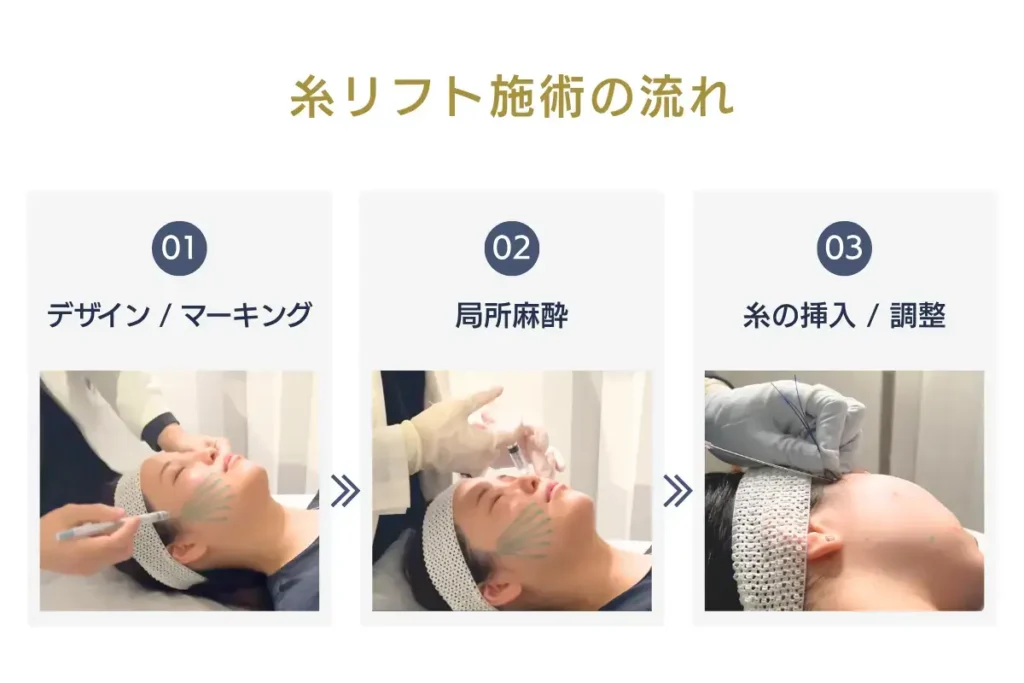
Although thread lifts are cosmetic procedures that can be performed on an outpatient basis, understanding the necessary preparations and aftercare is key to maximizing the procedure’s effectiveness and ensuring safety. Here, we’ll explain the process—from your initial consultation through to post-procedure care—in an easy-to-understand manner.
First, in a consultation with the doctor, we align on the state of the sagging, the balance of your face, and the ideal result. We decide together on the type and number of threads, as well as the areas and angles of insertion, and clear up any concerns here.
As pre-procedure precautions, observing the following points can minimize the risk of swelling and bruising:
- Medication and Supplement Restrictions: For blood-thinning medications such as aspirin, follow your doctor’s instructions to determine the duration of the break.
- Alcohol, extremely spicy foods, energy drinks, etc. : Avoid anything that promotes blood circulation the day before.
- Clothing & Makeup: Since makeup will be removed before the treatment, we recommend wearing light makeup or coming with a bare face. Please wear clothing that won’t mess up your hairstyle.
- Facial cleansing
After you arrive, we remove your makeup and cleanse the skin. - Design and marking
We confirm how the threads will be inserted and where you want the lift, then mark the face. - Local anesthesia
There is mild pain at the time of the injection, but the procedure itself is virtually painless. - Thread insertion (the procedure)
Using an ultra-fine needle or cannula, the threads are inserted under the skin. This takes about 10 to 20 minutes. - Checking the result and disinfecting
Check the result in the mirror, and if there are no issues, you can go straight home.
Downtime after a thread lift is relatively short, but observing the following three points will make the result more stable.
● Do not rub or press hard on the face
→ Keep skincare gentle for about 2 weeks. No massage for 1 month.
● Do not open your mouth wide
→ Refrain from laughing too much, yawning, dental work, and the like. These raise the risk of the threads shifting.
● Avoid alcohol, bathing, and strenuous exercise
→ These can cause prolonged swelling. We recommend resting from saunas and jogging for about a week.
Comparing a Thread Lift with Other Treatments
Although we often use the term “sagging treatment” in a general sense, the methods available are diverse and include thread lifts, HIFU, hyaluronic acid, surgical lifts (facelifts), and Botox. Here, we provide an easy-to-understand comparison of the differences in their purposes, effects, risks, and approximate costs.
| Item | Thread Lift | HIFU (HIFU) | Hyaluronic acid | Facelift (incision) | Botox | Cosmetic acupuncture |
|---|---|---|---|---|---|---|
| Type of effect | Lifting + skin beautification | Tightening | Wrinkle filling and contour correction | Lifting (fundamental) | Improving expression lines | Promoting blood circulation and improving skin quality |
| Fast-acting | ◎ (immediately after) | △ (after 1–2 months) | ◎ (immediately after) | ◎ (right after surgery) | △ (after 3–5 days) | △ (the next day) |
| Duration | Approx. 6 months to 2 years | Approx. 6 months to 1 year | Approx. 6 months to 1 year | 5 to 10 years | 3 to 6 months | 1–2 weeks (regular care required) |
| Downtime | 3–7 days | Almost none | Almost none | 2 weeks to 2 months | None | Almost none |
| Cost | Around 200,000–700,000 yen | 30,000–150,000 yen | 10,000–100,000 yen per thread | 500,000–1,000,000 yen or more | From several tens of thousands of yen | Several thousand yen to around 10,000 yen |
| Recommended for | Moderate to severe sagging in the 30s–50s | Mild sagging / preventive care | Volume correction and wrinkle filling | Severe sagging / 60s and up | People with prominent expression lines | Those who prefer a natural approach and want to improve from within |
Thread Lift vs. HIFU
- Thread Lift: Threads are inserted under the skin to physically lift the skin. Results are noticeable immediately / Strong lifting effect / Excellent for collagen production
- HIFU: Tightens the skin using thermal energy. Results appear gradually over 1 to 2 months
- By combining them, you can divide the roles—"HIFU for skin tightening" and "thread lift for lifting"—to enhance the effect.
Thread Lift vs. Hyaluronic Acid Injection
- Thread Lift: Lifts the skin itself upward. Eliminates the causes of sagging
- Hyaluronic Acid: Directly restores volume to wrinkles and depressions. Results are quick, but it is absorbed within six months to a year
- Combining them makes it possible to adjust facial contours and enhance the lifted appearance
Thread Lift vs. Incisional Lift
- Thread Lift: No scalpel required / Downtime of about one week
- Incision Lift: Involves incisions around the ears / leaves scars / has a long recovery period, but is a highly effective treatment for sagging skin that lasts 5 to 10 years
- Choose according to age and the severity of sagging (as a guide: threads = 30s–50s / incision = 60s and up)
Thread Lift vs. Botox
- Botox: Weakens facial muscles to prevent wrinkles. Not effective for sagging skin
Market Prices for Thread Lifts and the Cost at Our Clinic
For those who just want the conclusion first (national average)
- 8 PDO threads … Approximately 200,000 to 300,000 yen
- 8 long-lasting threads (PCL, PLLA, etc.) … Approximately 400,000 to 600,000 yen
※ The total varies greatly depending on the number of threads, materials, and discount programs.
General Market Prices for Thread Lifts
The cost of thread lifts is primarily determined by three factors: ① the material of the threads, ② the number of threads used, and ③ the pricing structure .
*Market rates are for reference only . Actual costs may vary depending on the specifics of the procedure, the complexity of the case, and regional costs.
| Factor | Examples and market sense (key points only) |
|---|---|
| ① Thread material |
|
| ② Number of threads used | Mild: 4–6 threads / moderate to severe: 8–12 or more |
| ③ Pricing structure | With set discounts and trial discounts, 20–40% off is possible |
- Are the quantity and material clearly stated in the price listing?
- Is counseling/anesthesia included in the fee?
- Difference in Price and Terms for the Monitor and First-Time Discount Compared to the Regular Price
- "Unlimited Access" —Are there any limits on the number of items or additional fees?
- During your consultation, be sure to confirm “which type of thread / how many threads / the total cost”.
Our Thread Lift Pricing Plans
NoticeEffective May 20, 2026, we have revised our thread lift pricing plans. We have adjusted the number of threads included in each plan so that you can more easily experience the benefits.
※ Please rest assured that customers who booked before May 20 will be served under the plan and pricing in effect prior to the revision.
| Number of threads | Regular Price | Monitor price |
|---|---|---|
| 10 vials | 148,000 yen | 128,000 yen |
| 18 threads | 248,000 yen | 218,000 yen |
| Number of threads | Regular Price | Monitor price |
|---|---|---|
| 10 vials | 218,000 yen | 188,000 yen |
| 18 threads | 348,000 yen | 308,000 yen |
| Number of threads | Regular Price | Monitor price |
|---|---|---|
| 10 vials | 278,000 yen | 248,000 yen |
| 18 threads | 478,000 yen | 428,000 yen |

Three Reasons to Choose Smart Skin Clinic
Using cannulas refined through over 24,000* annual cases of injection-based procedurescustom-made design driven by advanced skill,fair pricingthat design, andAll four clinics are located within a 3-minute walk from the station. are the strengths of our clinic.
*Injection-based treatment record for FY2024
Custom-made thread lift by an experienced doctor
- Performed by physicians well-versed in cannula manipulation, with a track record of over 1,000 injection procedures
- A thorough "custom-made design" based on anti-aging expertise overseen by a board-certified specialist of the Japanese Society of Anti-Aging Medicine, combined with anatomy
- From counseling to the procedure, everything is handled by a doctor rather than a counselor
Fair pricing with no waste × high quality
- By minimizing extravagant interior design and back-office labor costs, we achieve fair pricing .
- No counselors—direct consultation by doctors and a small, elite team to eliminate waste
- Standardizing the treatment process with AI tools = "without compromising quality"
All four clinics are within a 3-minute walk from the station.
- Jimbocho Clinic: 3-minute walk from Exit A9 of Jimbocho Subway Station
- Yokohama Clinic: 3-minute walk from the West Exit of JR Yokohama Station
- Hatchobori Clinic: A 2-minute walk from Exit A4 of Hatchobori Station (JR Keiyo Line and Tokyo Metro Hibiya Line)
- Omiya Branch: A 3-minute walk from the East Exit of JR Omiya Station
Frequently Asked Questions (FAQ) About Thread Lifts
- Is a thread lift painful?
-
Because the procedure is performed under local anesthesia with an ultra-fine cannula, pain is limited to the sting of the injection. Afterward, a muscle-ache-like discomfort may last 1 to 3 days, but it can be managed with prescription painkillers.
- What kind of anesthesia do you use?
-
Local anesthesia is used.
- How long do the effects last?
-
The lifting effect lasts roughly 6 months to 1 year. PDO threads are absorbed in 6 to 8 months and PCL threads over about 2 years, but the collagen they generate continues to have an effect for several more months.
- When will I start to notice the effects?
-
The lifting effect begins immediately after the procedure and reaches its final form about 2 weeks later, once the swelling subsides. Over the following 3 to 6 months, collagen increases and you can also feel an improvement in skin quality.
- What should I be careful of during downtime?
-
For 1 to 2 weeks, avoid strenuous exercise, facial massage, and opening your mouth wide. Sleeping on your back and keeping alcohol to a minimum until the swelling settles will help you recover faster.
- How many threads are used? What is the rough cost?
-
Mild sagging typically requires around 4 threads per side, and the entire jawline about 6 to 8 threads per side.
- Can anyone receive this treatment? Are there age restrictions?
-
The treatment is available for people in their 20s to 70s. In cases of pregnancy, serious chronic illness, or extreme skin conditions, the doctor may decide to postpone it.
- Are there cases of failure or corrections?
-
Swelling and left-right asymmetry usually settle within 1 to 2 weeks, but rare issues such as unevenness or thread exposure are not entirely impossible. We have a follow-up consultation system in place.
- Will the threads remain in the body?
-
We use only absorbable threads. PDO, PCL, PLLA, and others break down into water and carbon dioxide over time, so no foreign material remains in the future.
- When can I wear makeup and wash my face?
-
You can wash your face from the evening of the same day and apply makeup from the next day. Cover the needle holes lightly with concealer and avoid harsh cleansing for one week.
Summary
A thread lift is a lifting treatment that can instantly raise the jawline without using a scalpel and, through collagen production, improve the quality of your skin as well.
If you’re thinking, “I’d like to try a thread lift but can’t quite bring myself to take the plunge,” please feel free to come in for a consultation.
We do not engage in any sales pitches or upselling. Please feel free to ask us anything you’re unsure about or concerned about, and you only need to make an appointment if you decide you’d like to proceed with the treatment.
When it comes to thread lifts, you can count on Smart Skin Clinic.
References
- Jang S H, et al. Dermatol Surg. 2005.
- American Society of Plastic Surgeons (ASPS). "What you need to know about thread lifts."
- Cleveland Clinic. "Thread Lift: What to Expect, Benefits & Complications."
- Lots T C C, et al. J Cosmet Dermatol. 2023.
- Cho Y J, et al. J Cosmet Dermatol. 2021.
- Zhuang Y, et al. Systematic review of thread-lift complications. medRxiv 2024.
- Hifco NEWS. August 2024, "Thread Lift Technology Lifts Sagging and Improves Wrinkles: A Medical Journal of Aesthetic Dermatology Explains a Variety of Threads—A Paper by Korean Cosmetic Surgeons and Others."
Physician Who Supervised This Page
Smart Skin Clinic, Chief Medical Director / Physician
Kota Ishii
We oversee treatment policies across the entire group, tailored to the skin condition of each individual patient. The content on this page has been reviewed and approved in line with our clinic's treatment policies.
Interview with Director Kota Ishii
Kota Ishii, our Chief Medical Director, shares our clinic's approach to patient care.
Clinic List
Jimbocho Clinic
〒101-0054
3-16-1 Kanda Nishiki-cho, Chiyoda-ku, Tokyo, EX Kanda Nishiki-cho Building 8F (general reception) / 7F
Hours: Mon–Fri 11:00–20:00 / Sat & Sun 10:00–19:00
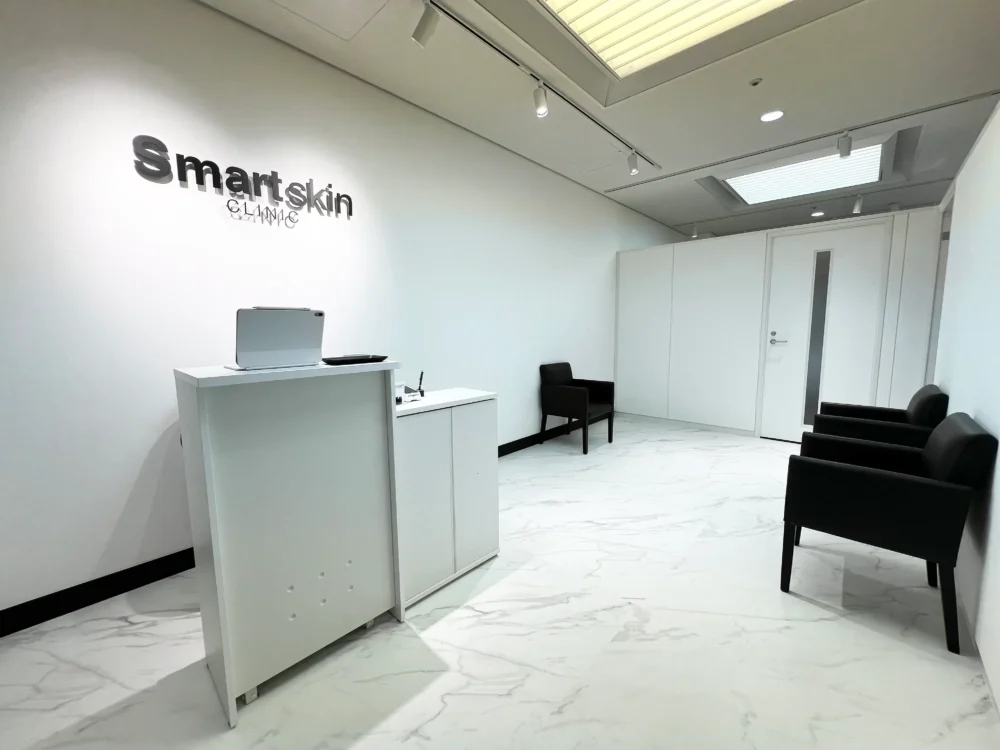
Yokohama Clinic
〒221-0835
TS Plaza Building 2F, 2-23-2 Tsuruya-cho, Kanagawa-ku, Yokohama-shi, Kanagawa
Hours: 10:00–19:00
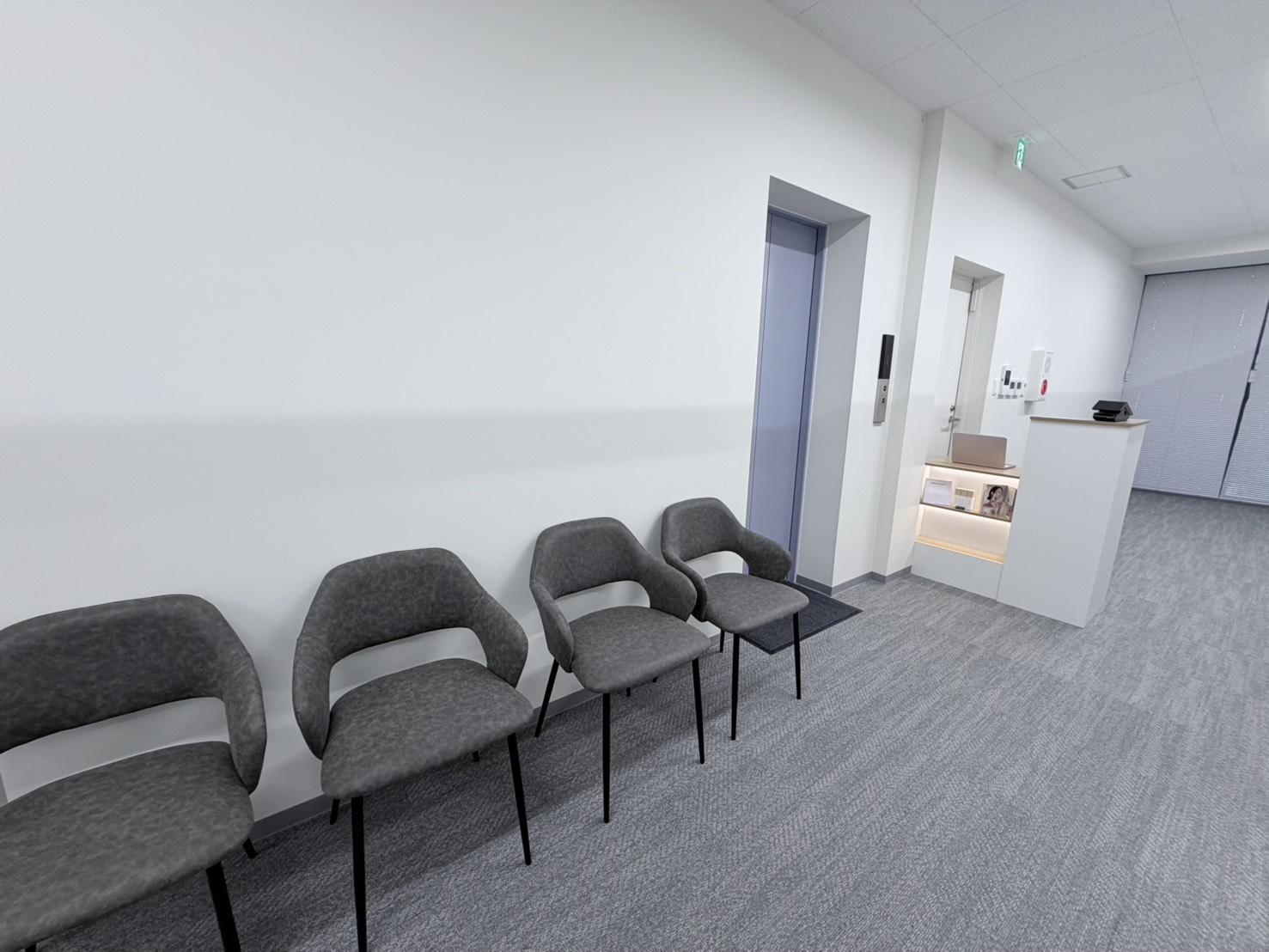
Hatchobori Clinic
104-0032
2nd Floor, Tokyo NS Building, 2-29-4 Hatchobori, Chuo-ku, Tokyo
Hours: 10:00 a.m.–7:00 p.m. (Closed from 1:00 p.m. to 2:00 p.m.) / Closed: Mondays and Thursdays
About the physician supervision of this site
This site is operated under the supervision of a Smart Skin Clinic supervising physician.
This page was produced in accordance with the Medical Advertising Guidelines Medical Advertising Guidelines revised and enforced in June 2018, under which we produce and provide this information.
- Scope of supervision: treatment descriptions, risks and side effects, price display
- Last Reviewed: August 1, 2026