







![[Official] Smart Skin Clinic Group](https://smartskin-clinic.com/wp-content/uploads/2023/05/Smart-skin-clinic-ロゴ500-×-100-px.png)
What Is PRP Mesotherapy (Hair Regrowth Treatment)? | A Doctor Explains Its Effects on AGA and FAGA, Costs, and Number of Sessions
- "I'm worried about my thinning hair, but I'm concerned about the side effects of oral medication..."
- "I'd like to improve my thinning hair as naturally as possible."
- "What treatment options are actually effective for thinning hair in women?"
- "I've tried oral and topical medications, but the side effects made them hard to keep up with..."
For those concerned about female pattern hair loss (FAGA), choosing the right treatment is an important decision.
In recent years in particular, more and more patients are seeking natural treatments with fewer side effects.
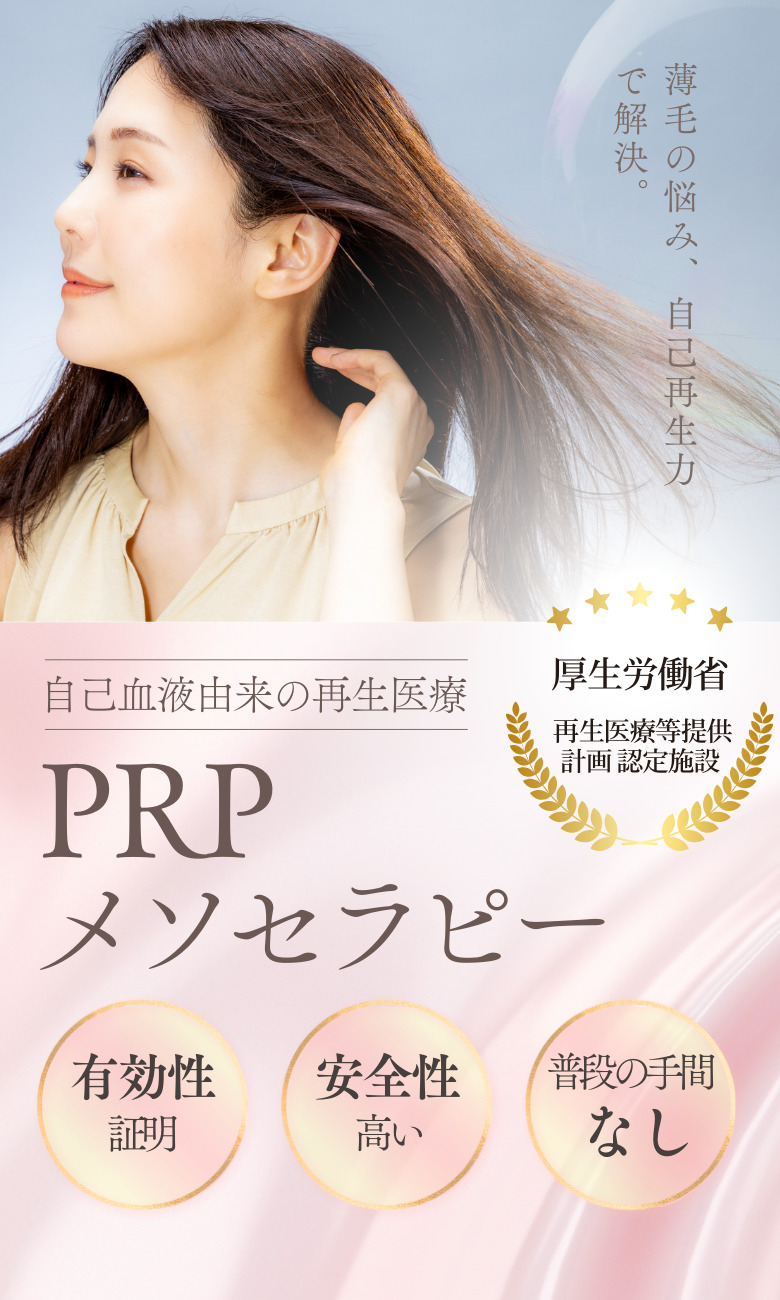
In this article, we take a closer look at PRP mesotherapy, a well-tolerated treatment that uses components derived from your own blood.
As a clinic certified under the Ministry of Health, Labour and Welfare's Regenerative Medicine Provision Plan, we offer a clear, professional explanation.
(*Type 2 and Type 3 Regenerative Medicine Provision Plan Certification Number: NA8230001)
We explain in detail, from a medical perspective, why PRP mesotherapy is drawing attention, who it may be suitable for,
and how it compares with other treatment options.
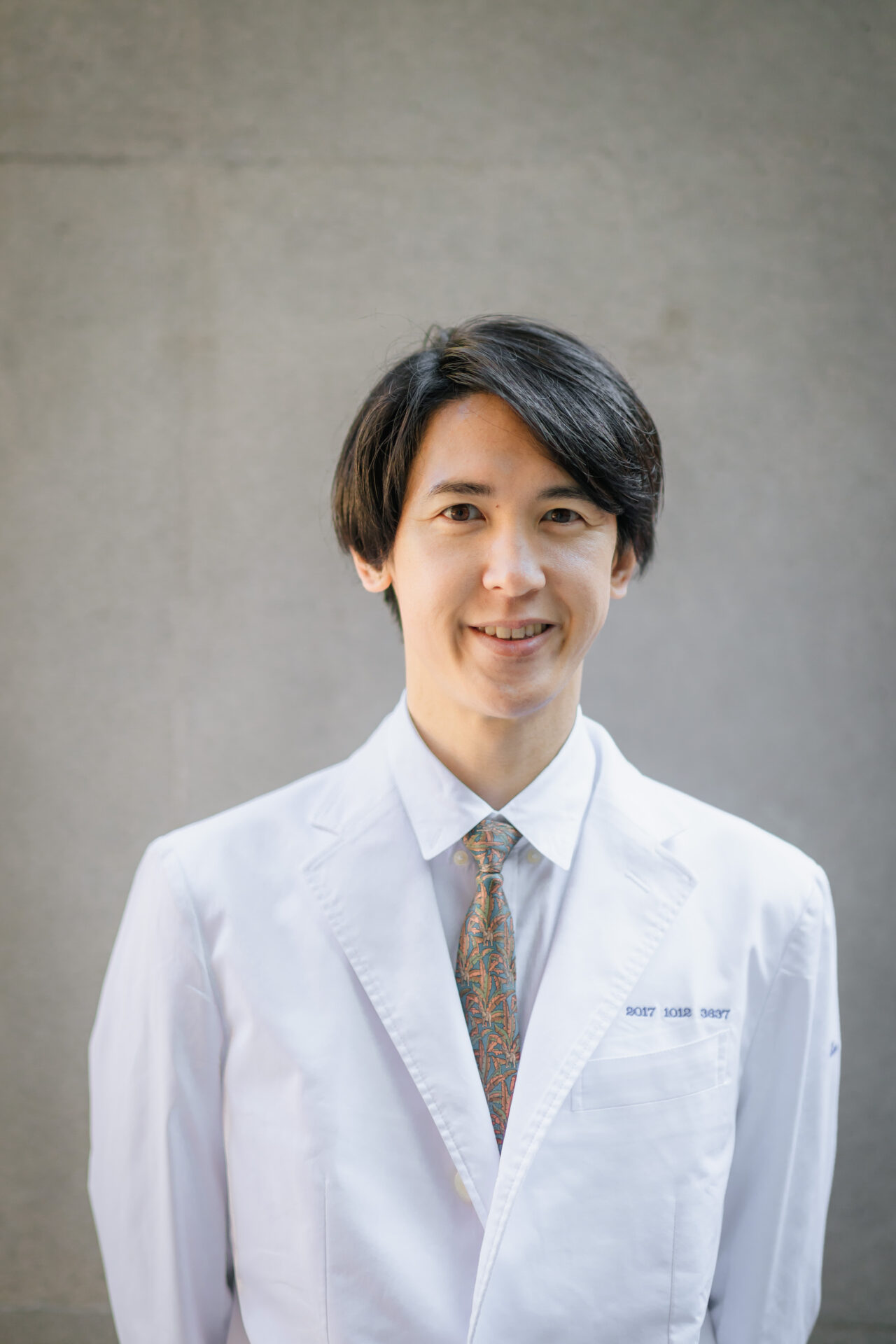
Group Chief Director, Smart Skin Clinic Group
Ishii Kota
Career
Graduated from Juntendo University School of Medicine
Worked at Tokyo Women's Medical University Hospital and affiliated facilities
Worked at a major aesthetic clinic in Tokyo
Affiliations / Qualifications
Board-certified specialist, Japan Surgical Society
Board-certified specialist, Japanese Society of Anti-Aging Medicine
PRP mesotherapy may be a good fit for these patients
- Because it uses components derived from your own blood, the risk of allergy or rejection is low
- No systemic effects like those of oral medication
- No risk of serious side effects such as hyperkalemia
- Can be considered even by those planning pregnancy or childbirth
- Those worried about the risk of hyperkalemia with spironolactone
- Those concerned about lowered blood pressure or excess body hair with minoxidil
- Those who wish to avoid effects on their hormonal balance
- Those concerned about changes in physical condition caused by oral medication
- Those who prefer improvement using components derived from their own body rather than synthetic drugs
- Those who wish to avoid drug treatments such as hormone therapy
- Those who hope to restore a natural hair growth cycle
- Those seeking to improve the overall health of the hair follicle environment
- Those who prefer gradual improvement rather than abrupt change
- Can be combined with other treatments
- Treatment intervals can be adjusted to fit your lifestyle
- It is relatively easy to pause and resume treatment as needed
- None of the hassle of daily oral or topical application
- Relatively well supported by research data
- Its medical effectiveness has been demonstrated
- Its long-term safety has been confirmed
- A treatment with a proven track record worldwide
- Those who wish to avoid the risk of side effects from oral medication
- Those who find daily use of topical agents burdensome
- Those aiming for improvement from a long-term perspective
- Those who desire a natural improvement process
- Those considering combining it with other treatments
- The cost is relatively high
- A certain period of time is needed to notice the effect
- Requires regular clinic visits
- Results vary from person to person
While the cost is a consideration, it is one of the better options: it is well-tolerated and may offer natural improvement.
For those who have concerns about side effects from other treatments, or who prefer a more natural improvement, it can be a recommended choice.
What is FAGA?
FAGA stands for Female Androgenetic Alopecia, a progressive form of thinning hair specific to women. It is most common in women in their 40s and older, though onset at younger ages has also been increasing in recent years.
- The entire crown gradually becomes thinner
- The hairline is relatively preserved (a key difference from male pattern hair loss)
- A widening, Christmas-tree-shaped part line (a characteristic sign)
- Hair gradually becomes finer (miniaturization)
- Loss of body and resilience
- Reduced shine
- Hair becomes too soft and difficult to manage
- Diffuse: the entire crown gradually thins
- It rarely progresses to complete hair loss
- Slow progression (over years to decades)
- The part line starts to become more noticeable
- Increased hair shedding when shampooing
- Hair becomes harder to style and keep in place
- The scalp begins to show through
- Hair volume decreases
- AGA involves localized hair loss at the frontal and crown areas
- FAGA involves diffuse thinning across the entire crown
- FAGA rarely leads to complete hair loss
- FAGA tends to preserve the hairline
- Onset is most common in the 40s and 50s
- Onset increases around the time of menopause
- It is estimated that about 20% of Japanese women experience it
- Onset among younger women is also on the rise
Causes and mechanisms of FAGA
FAGA fundamentally requires a "genetic predisposition," upon which the condition develops and progresses through the process below.
Without this genetic predisposition, the following changes generally do not lead to onset.
First, it is important to understand that genetic factors play a major role in FAGA.
This genetic predisposition makes the scalp's hair follicles more susceptible to the effects of male hormones (androgens).
If you have family members with thinning hair, there is a higher chance you have inherited this genetic predisposition.
- With aging and menopause, female hormones (estrogen) begin to decline
- As estrogen decreases, the influence of androgens (male hormones) grows stronger
- Testosterone, a type of androgen, is converted into DHT (dihydrotestosterone)
- DHT affects the hair follicles, driving the progression of thinning hair
- DHT binds to androgen receptors in the hair follicles, shortening the hair's growth phase
- The resting phase lengthens, and hair becomes finer and shorter
- Because women have androgen receptors distributed across the entire crown, thinning spreads diffusely
- Hair density across the entire crown gradually decreases
- Rather than complete hair loss in a specific area, the entire crown thins
- The part line widens, taking on what is known as the "Christmas tree pattern"
In addition to these fundamental mechanisms, the following factors can also influence symptoms:
- When iron and zinc are deficient, the hair does not receive enough of the oxygen and nutrients needed for growth, making it harder for hair to grow.
- Chemical treatments such as perms and coloring can place stress on the hair follicles and scalp and may worsen symptoms.
- Inflammation of the scalp caused by chemical treatments impairs blood flow and further hinders hair growth.
and it is a condition that develops and progresses through a combination of these factors along with various external ones.
How FAGA is treated
To understand the treatment of FAGA, let's first briefly review the mechanism of onset:
Genetic factors play a major role in the development of FAGA. Because sensitivity to androgens can be inherited within families, thinning hair may progress in the future.
With aging and menopause, the production of female hormones (estrogen) decreases. As a result, the relative influence of male hormones (androgens) grows stronger, driving the progression of thinning hair.
Testosterone, a type of androgen, is converted into DHT (dihydrotestosterone), which binds to androgen receptors in the hair follicles. This shortens the hair growth cycle, leading to gradual miniaturization of the hair.
A characteristic of FAGA is that, unlike male pattern hair loss (AGA), the entire crown thins diffusely. Rather than complete hair loss in a specific area, hair density gradually decreases.
Current medicine offers the following treatment approaches for each stage of this onset mechanism:
Spironolactone(Stages of action: 2 & 3)
- Correcting hormonal balance (improving the relative balance with estrogen)
- Prevents DHT binding and reduces the influence of androgens on the hair follicles
Oral Minoxidil (Stage of Action: 4)
- Improves blood flow through vasodilation and enhances the hair follicle environment
- Extends the growth phase of the hair and promotes hair growth
Topical minoxidil(Stage of action: 4)
- Improves the hair follicle environment by enhancing scalp blood flow
- Activates the hair follicles and promotes growth
- Helps normalize the hair growth cycle
PRP Therapy(Stage of action: 4)
- Activates the hair follicles using growth factors derived from your own blood
- Improves the environment for hair growth
- Supports natural hair regeneration
HARG therapy(Stage of action: 4)
- Activates the hair follicles using specialized growth factors
- Promotes hair follicle regeneration and improves the growth environment
- Improves hair thickness and density
Exosome therapy(Stage of action: 4)
- Activates the hair follicles by promoting cell-to-cell signaling
- Improves the environment for hair regeneration
- Helps maintain healthy hair follicles
Stage of action: 4 (effects across the entire crown and hair miniaturization)
- Improves the growth environment by supplying nutrients essential for hair growth
- Zinc: supports cell division in the hair follicles
- Iron: supports keratin production
- Vitamin D: helps maintain healthy hair follicles
*Supplements do not act on the underlying causes of FAGA (genetic factors or hormonal balance) and serve a supporting role.
Comparison of the various FAGA treatment methods
For each treatment method, we explain in detail the mechanism of action, its features, its risks, and points to keep in mind during actual treatment.
1. Treatment with oral medication
Mechanism of action
- Blocks androgen receptors and suppresses the effects of DHT (male hormone)
- Acts on the hormonal imbalance that causes FAGA
Treatment features
- Continuous oral use is required to maintain the effect
- Symptoms may progress again if the medication is discontinued
- It provides temporary correction of hormonal balance and is not a curative treatment
- It often takes about 3-6 months to notice the effect
- Management through long-term use is required
Risks and cautions
- Effects from a relative increase in estrogen (possible menstrual irregularities or amenorrhea)
- Risk of breast tenderness or breast enlargement
- Risk of hyperkalemia from effects on electrolytes, especially potassium
- Possible arrhythmia, muscle weakness, or fatigue
- Blood tests every 1-3 months are essential
2. Treatment with topical agents
Mechanism of action
- Improved local blood flow
- Activation of the hair follicles
- Extension of the growth phase
Treatment features
- In general, the effect lasts only while it is being used
- Returns to its original state within 3-4 months of discontinuation
- Lower risk of side effects compared with oral medication
- Requires continuous daily use (twice a day)
- It takes about 3-6 months to notice the effect
Risks and cautions
- Initial shedding (temporary shedding during the first few weeks of use)
- Irritation to the scalp (possible redness, itching, or irritation)
- Dry scalp and dandruff (from the alcohol contained in the formulation)
3. Injection therapy (mesotherapy)
A) PRP Therapy
Mechanism of action
- Platelets extracted from your own blood are injected
- Activates the hair follicles through growth factors
- Supports natural hair regeneration
Treatment features
- Highly well-tolerated, as it uses components derived from your own body
- The effect is not semi-permanent, so periodic treatment is required
- A course consists of 3-5 sessions
- As maintenance therapy, treatment every 6 months to 1 year is recommended
Risks and cautions
- Mild pain or swelling immediately after the procedure
- Possible temporary bruising (about 1-2 weeks)
- Requires regular clinic visits
- Relatively high treatment cost
B) HARG therapy
Mechanism of action
- Activates the hair follicles using specialized growth factors
- Promotes collagen production
- Improves the environment for hair growth
Risks and cautions
- Temporary swelling and bruising after the procedure
- Continuity of treatment is necessary
- Relatively high treatment cost
C) Exosome therapy
Mechanism of action
- Activates cell-to-cell signaling
- Promotes hair follicle regeneration
- Improves the environment for hair growth
Treatment features
- A relatively new treatment
- Long-term efficacy data is currently limited
- Ongoing treatment is required
4. A supplementary approach using supplements (e.g., Pantogar)
Features and limitations
- It has no effect on the underlying causes of FAGA (hormonal balance, genetic factors)
- It serves a supporting role only
- Dramatic improvement cannot be expected from it alone
- It is recommended in combination with other treatments
Main nutrients and their benefits
- Zinc: supports cell division and hair follicle regeneration
- Iron: supports keratin production and oxygen supply
- Vitamin D: helps maintain healthy hair follicles
Important considerations
1. Regarding effectiveness
- None of these treatments is "curative" at this stage
- In many cases, ongoing treatment is required
- A certain period of time is needed for the effect to develop
- Results vary widely from person to person
2. Approach to selecting a treatment
- A combination of multiple treatments is often used rather than a single treatment
- It is important to choose based on the patient's condition and lifestyle
- Balancing risks and benefits
- Placing importance on sustainability
3. The importance of consulting a specialist
- Treatment selection based on a detailed diagnosis
- Regular monitoring
- Appropriate management of side effects
- Adjusting the treatment plan as needed
Differences from Exosome Mesotherapy
|
Our recommendation
PRP Mesotherapy
|
Exosome mesotherapy | |
| Summary | Growth factors are extracted from your own blood and injected into the hair roots | Exosomes derived from stem cell culture medium are injected |
| Scientific evidence | Over 10 years of experience and numerous published studies | Reports of effectiveness are increasing, but long-term studies are still developing |
| Origin of ingredients | Your own blood (autologous) | Extracted from high-quality stem cell culture medium |
| Hair growth mechanism | Growth factors activate the cells of the hair roots | Exosomes send regeneration signals to the hair follicles |
| Number of Treatments | About 3-6 sessions | About 3-6 sessions |
| Fast-acting | Effects are noticed within 3-6 months (varies by individual) | Effects are noticed within 3-6 months (varies by individual) |
| Safety | Because it is derived from your own body, the risk of allergy is nearly zero | The formulation has passed a range of safety tests |
| Cost | Because the formulation is prepared in our own laboratory, the value for money is excellent | Tends to be costly due to the high cost of the formulation |
| Recommended for | Those who prioritize safety, value for money, and a proven track record | For those who have not been satisfied with other treatments or who are interested in new technologies |
At our clinic,we offer "PRP Mesotherapy," which is reliable, well-tolerated, and cost-effective, as our mainstay treatment.This is what we propose.
Exosome mesotherapy is also available, depending on your wishes and concerns.
Please feel free to discuss which option may suit you best at a free consultation.
Features of PRP mesotherapy at Smart Skin Clinic
Active ingredients injected directly deep into the scalp
Regenerative medicine derived from your own blood
Our clinic is a "facility certified under the Ministry of Health, Labour and Welfare's Regenerative Medicine Provision Plan"
Extensive experience with PRP treatment
Treatment Flow
Free Consultation
A specialist will examine your current condition and propose the most suitable treatment plan.
Blood collection
We collect your own blood to prepare PRP (platelet-rich plasma).
PRP preparation and processing
We prepare PRP from the collected blood and activate its growth factors.
Treatment (mechanical injection)
Using a specialized device, we inject the PRP evenly into the scalp.
Aftercare following treatment
We protect the scalp and provide guidance on proper aftercare.
Pricing
Typical PRP mesotherapy pricing in Tokyo
The average cost per session for PRP mesotherapy in Tokyo is approximately 120,000 to 220,000 yen. (As of February 2025)
Smart Skin Clinic Pricing
| Once | 89,800 yen |
| 3 times | 254,400 yen (1 session 84,800 yen) |
| 5 sessions | 399,000 yen (per session 79,800 yen) |
| [Monitor] 5 sessions | 349,000 yen (per session 69,800 yen) |

Treatment details
| Treatment Time | 20-30 minutes (plus about 1 hour of waiting time while the PRP is being prepared) |
|---|---|
| Follow-up visits | A minimum of 3 sessions for the basic treatment; intervals to be discussed with your physician |
| Post-treatment precautions |
Avoid excessive exercise and alcohol on the day of treatment Showering is possible from the same day, but wash your hair gently Avoid scalp massage and strong stimulation after treatment You can return to normal daily life from the next day onward |
| Risks and Side Effects |
Mild swelling or redness may appear after the procedure (usually subsides within 1-2 days) In rare cases, temporary bruising may occur (usually disappears within about a week) The effectiveness of the treatment varies from person to person |
*If you have any symptoms of concern after the procedure, please consult your treating physician promptly.
Aftercare
Day of treatment
- Avoid excessive exercise
- Showering is allowed (wash your hair gently)
- Refrain from scalp massage
- Refrain from drinking alcohol
From the next day onward
- Normal hair washing is possible
- Exercise can gradually be resumed
- Use scalp care products only after checking with a physician
*Recovery after the procedure varies from person to person. If you notice any symptoms of concern, please consult your treating physician.
Frequently Asked Questions (FAQ)
FAQ
Q. Is the procedure painful?+
The scalp may sound painful, but it is actually less painful than facial treatments. You may feel some mild discomfort after the procedure, but this usually settles within a few days.
Q. How many treatments are needed?+
In general, we recommend at least three treatments. There are various research findings, and many cases show results after three sessions; however, please understand that results vary from person to person.
Q. Is there any downtime after the procedure?+
In general, there is very little downtime, though mild redness or swelling may appear after the procedure. It usually settles within 1-2 days.
Q. Can I wash my hair right after the treatment?+
Please refrain from washing your hair on the day of treatment; you can wash it gently from the following day. Avoid rubbing hard, and use a gentle shampoo.
Q. How long does it take to see results?+
Results vary from person to person, but most people begin to notice the effect about 3-6 months after treatment. Continued treatment may offer greater results.
Start With a Free Consultation
Our clinic never engages in forceful sales tactics or upselling.
Our specialists will provide advice tailored to your individual condition.
*You can decide whether to proceed with treatment after the consultation.
Book a Free ConsultationPhysician Who Supervised This Page
Smart Skin Clinic, Chief Medical Director / Physician
Kota Ishii
We oversee treatment policies across the entire group, tailored to the skin condition of each individual patient. The content on this page has been reviewed and approved in line with our clinic's treatment policies.
Interview with Director Kota Ishii
Kota Ishii, our Chief Medical Director, shares our clinic's approach to patient care.
Clinic List
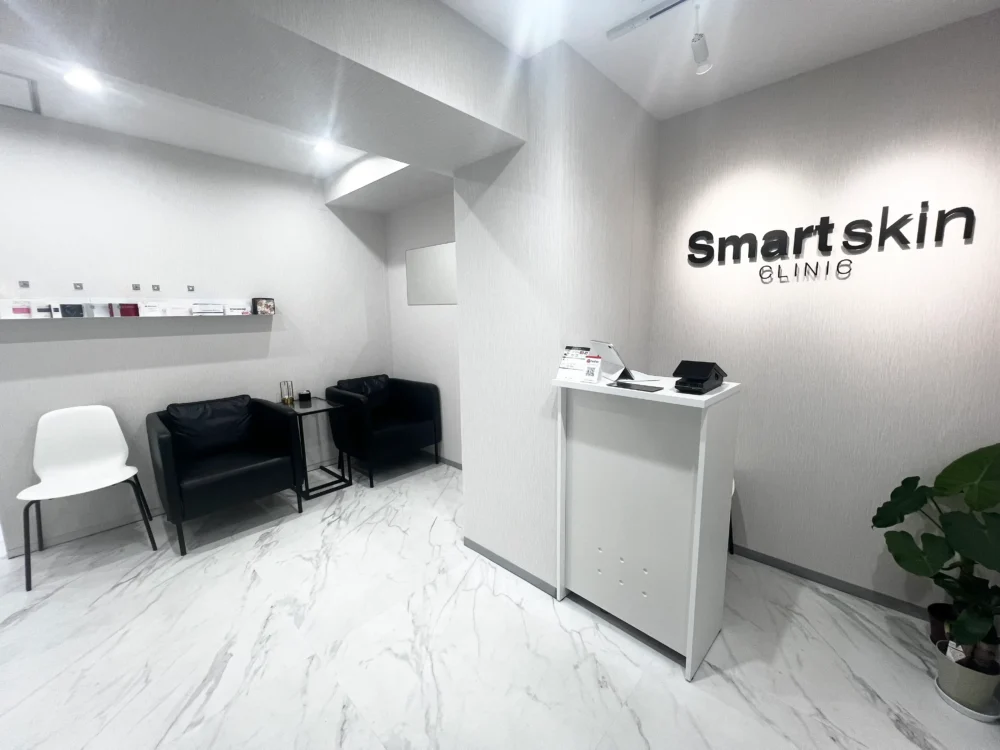
Jimbocho Clinic
〒101-0054
3-16-1 Kanda Nishiki-cho, Chiyoda-ku, Tokyo, EX Kanda Nishiki-cho Building 8F (general reception) / 7F
Hours: Mon–Fri 11:00–20:00 / Sat & Sun 10:00–19:00
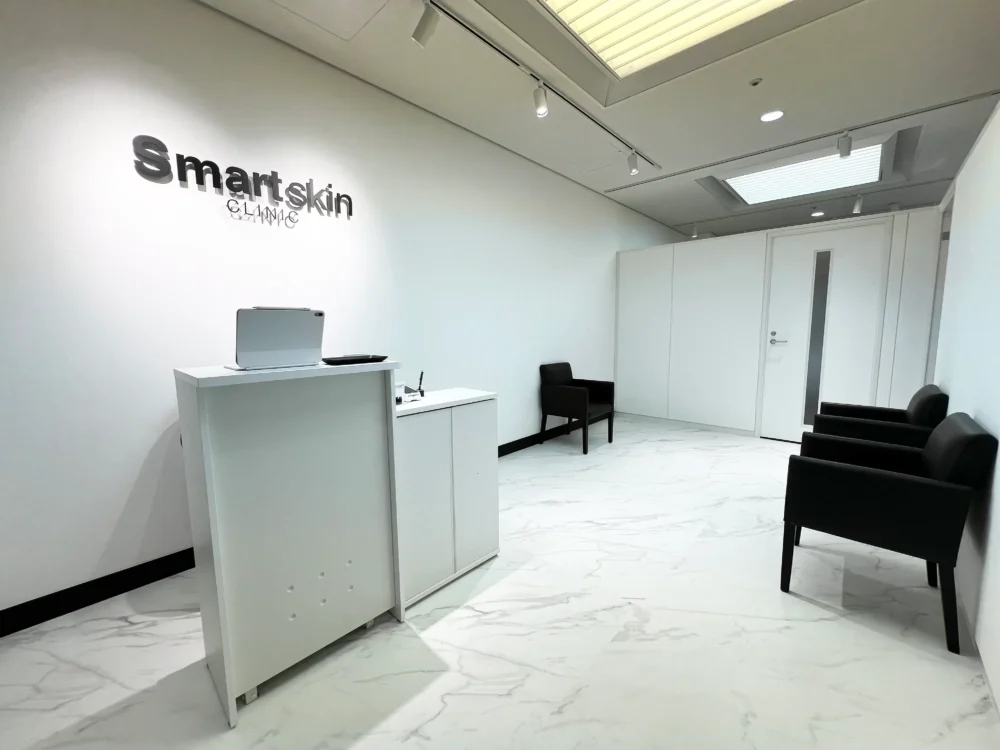
Yokohama Clinic
〒221-0835
TS Plaza Building 2F, 2-23-2 Tsuruya-cho, Kanagawa-ku, Yokohama-shi, Kanagawa
Hours: 10:00–19:00

Hatchobori Clinic
104-0032
2nd Floor, Tokyo NS Building, 2-29-4 Hatchobori, Chuo-ku, Tokyo
Hours: 10:00 a.m.–7:00 p.m. (Closed from 1:00 p.m. to 2:00 p.m.) / Closed: Mondays and Thursdays