









![Official] Smart Skin Clinic|Aesthetic Dermatology Group (Jimbocho, Yokohama)](https://smartskin-clinic.com/wp-content/uploads/2023/05/Smart-skin-clinic-ロゴ500-×-100-px.png)
Forehead wrinkles|Doctors explain the causes, treatments, and home care for each type.
"These forehead wrinkles make me look tired and older than I really am."
"My forehead wrinkles keep me from enjoying hairstyles that pull my bangs back."
"I want to know how to get rid of my forehead wrinkles."
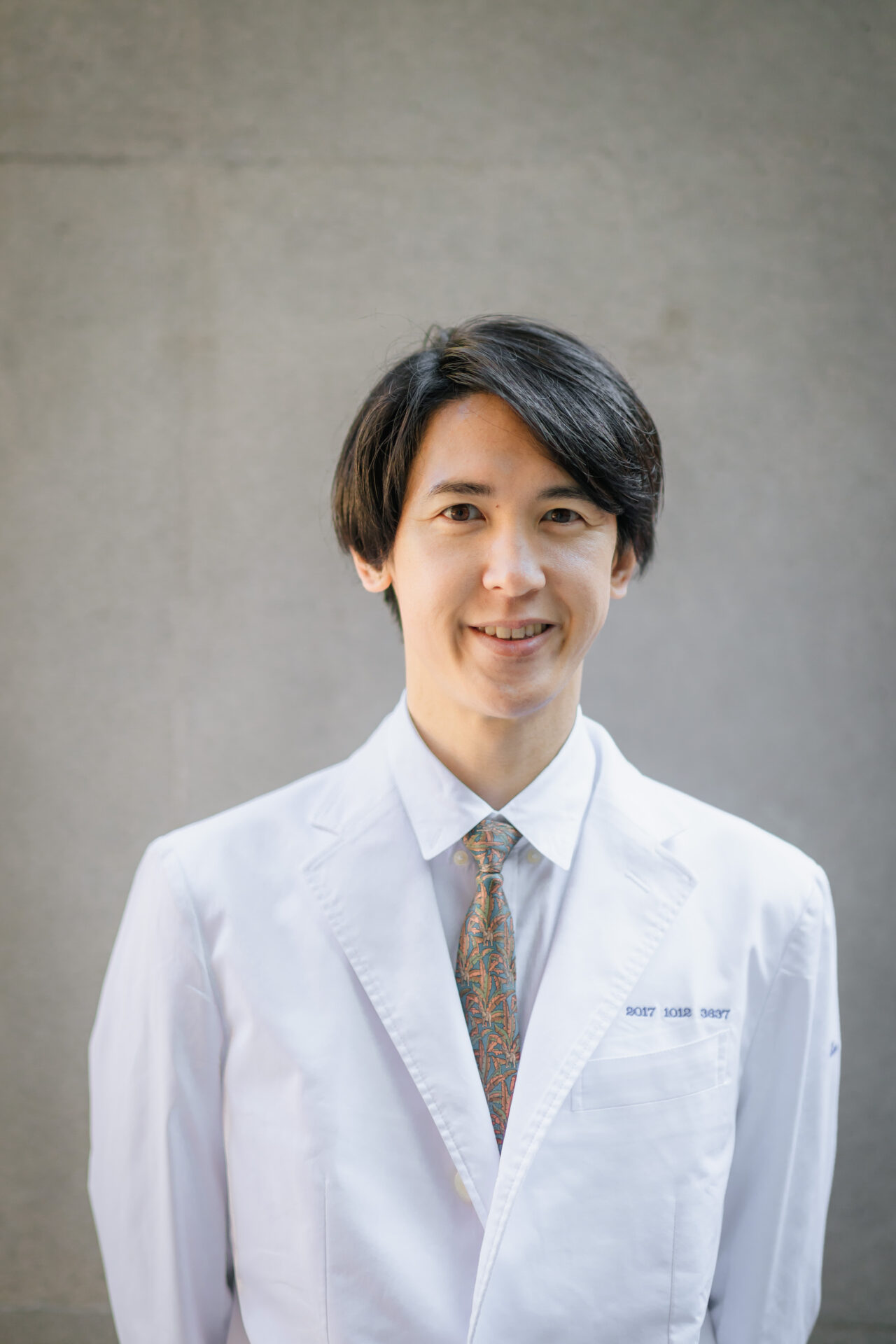
Group Chief Director, Smart Skin Clinic Group
Ishii Kota
Career
Graduated from Juntendo University School of Medicine
Worked at Tokyo Women's Medical University Hospital and affiliated facilities
Worked at a major aesthetic clinic in Tokyo
Affiliations / Qualifications
Board-certified specialist, Japan Surgical Society
Board-certified specialist, Japanese Society of Anti-Aging Medicine
Do any of these questions or concerns about forehead wrinkles sound familiar?
Hello. I am a doctor at the cosmetic dermatology practice Smart Skin Clinic.
In this article, we explain the causes of forehead wrinkles clearly and from an expert's perspective, covering everything from self-care and makeup to medical treatments. If you would like to jump straight to specific prevention and treatment methods, you can navigate there from the table of contents.
The Anatomy Behind Forehead Wrinkles
First, we explain the basic structure of the forehead area, which is helpful background for understanding why wrinkles form there.
The forehead is made up of several tissues, each of which plays a role in how wrinkles develop.
- Frontal bone: the bone that forms the forehead. Its shape influences how wrinkles appear.
- Frontalis muscle: the muscle that moves the eyebrows and forehead. Raising the eyelids and eyebrows tends to create wrinkles.
- Fat: the forehead has less subcutaneous fat than the cheeks or jawline, so fat-related sagging is less likely here than in other areas.
- Skin: although the forehead naturally produces plenty of sebum, a decline in sebum secretion and changes in the skin's internal structure can lead to wrinkles.
- Surrounding tissues: sagging of the scalp and eyelids can also affect forehead wrinkles.
What Causes Forehead Wrinkles?
Why do forehead wrinkles form? Let's take a look at the main causes.
Habitual facial expressions
Habitual facial expressions are said to be the leading cause of forehead wrinkles. Everyday facial movements can deepen these lines over time. For example, do you have any of the following habits?
Expression Habit Checklist
- Raising and lowering your forehead and eyebrows
- Raising your eyebrows when you open your eyes (not using the eye muscles effectively)
- Looking upward through your lashes during conversation
- Moving only your eyes when looking at something high up
- Frowning or scowling
- Lack of facial expression
You may also be forming wrinkles without realizing it, for example by furrowing your forehead in your sleep due to stress.
A blank, expressionless face can also cause wrinkles
If everyday expressions cause wrinkles, does that mean it's better not to use the facial muscles at all?
No. A consistently expressionless face lets the muscles weaken. Muscles that go unused can atrophy and lead to sagging. In addition, stiff muscles impair blood flow, which can contribute to a wide range of skin concerns such as dullness, sagging, and dryness.
Aging
With age, the bones, muscles, fat, and skin that make up the face all change, shrinking and loosening. On top of this, wrinkles become etched in along the lines of facial muscle movement. In women especially, age-related changes become more noticeable as female hormone levels decline around menopause.
How age-related bone changes lead to forehead wrinkles
- The frontal bone atrophies
- The skin at the outer upper eyelid begins to droop, obstructing the field of vision
- You unconsciously start using the frontalis muscle to open your eyes
- Wrinkles begin to appear on the forehead
Note that once the frontalis muscle can no longer support a sagging forehead, it is pulled by the muscles that work downward, making wrinkles between the eyebrows and at the outer corners of the eyes more noticeable.
How age-related skin changes lead to forehead wrinkles
- The function of the fibroblasts that produce collagen and elastin in the dermis declines
- Collagen and elastin, the sources of firmness and elasticity, decrease
- The skin becomes thinner and less elastic
- Fine wrinkles appear on the skin
Ultraviolet rays
The forehead sits high on the face and cannot be hidden even by a mask, making it especially prone to UV exposure. Ultraviolet rays reach deep into the skin, breaking down and altering collagen and elastin. As with the aging process, this causes the skin to lose elasticity and makes wrinkles more likely to appear.
If you think, "I only wear sunscreen in summer" or "I don't wear any indoors," you're at risk. UV rays reach us all year round, in summer and winter, on cloudy days and snowy days alike. Wrinkles and sagging aren't visible right after exposure, and when the sun feels weak you may not even realize you're being exposed. Yet the effects build up gradually over time, and even young people can develop wrinkles with heavy UV exposure.
Dryness
The forehead produces more sebum than other areas. As a result, while you may worry about shine and stickiness, dryness can easily become a blind spot. Removing too much sebum in an effort to control shine leaves the skin dry beneath the surface. This inner-dry state coarsens the texture and leads to dryness wrinkles.
Eye strain
When your eyes get tired, the muscles that open them become less responsive, and you unconsciously start using the forehead muscles to open your eyes instead. For many people, spending long hours on computers and smartphones has made forehead wrinkles a permanent fixture.
Scalp looseness and stiffness
When the scalp is tight, raising the eyebrows creases the forehead. A loss of scalp elasticity can also lead to sagging. Possible causes of scalp stiffness include eye strain, stress, and poor blood flow due to cold.
Poor posture
Frequently looking down due to improper posture while using computers and smartphones can contribute to wrinkles. Gravity bearing down on the head and reduced blood circulation both play a part.
Your sleeping posture matters too. Sleeping on your stomach or side can crease the forehead and make wrinkles habitual. There's little you can do once you're asleep, but try to fall asleep lying face up.
Types of Forehead Wrinkles
Forehead wrinkles fall into four main types depending on their condition, each with different causes and countermeasures.
| Type | fine lines | Expression wrinkles | Deep wrinkles | Sagging wrinkles |
| Features | Fine, shallow crepe-like lines | Appear along with facial expressions | Visible even with a relaxed, expressionless face | Appear along with sagging |
| Main Causes | Dryness | Habitual facial expressions | Aging UV rays | Aging Skin laxity; weakening of the frontalis muscle |
| Home care | Moisturizing; reviewing your skincare | Relaxing muscle tension | UV protection | Scalp massage |
| Treatment | Iontophoresis | Botulinum toxin injection | Gouri injection Juvelook Volume (Lenisna) injection PRP Therapy | Profhilo injection |
Tips for Preventing Forehead Wrinkles and Caring for Them at Home
Here we explain self-care for forehead wrinkles that is easy to incorporate into daily life. Keep up proper care to help prevent and improve wrinkles.
Reviewing your skincare
Dryness and improper skincare can worsen wrinkles. Keep your skin well moisturized by following the tips below.
Gentle cleansing and washing
If your cleanser or face wash is too harsh, it can strip the skin of its moisture. The key is to avoid scrubbing or using hot water: wash gently with a soft lather and rinse with lukewarm water.
Using cosmetics with moisturizing and wrinkle-improving ingredients
For fine lines caused by dryness, choose cosmetics containing highly moisturizing ingredients such as hyaluronic acid and ceramide. These ingredients replenish moisture in the skin and make wrinkles less noticeable. Medicated cosmetics (quasi-drug cosmetics) formulated with wrinkle-improving ingredients approved by Japan's Ministry of Health, Labour and Welfare are also recommended.
Examples include the following ingredients.
Moisturizing ingredients in cosmetics
- Sodium hyaluronate and water-soluble collagen: draw moisture into the stratum corneum
- Ceramide: helps retain moisture
- Olive oil, petrolatum, squalane: help prevent moisture from evaporating from within the skin
Active ingredients for improving wrinkles
- Retinol: a form of vitamin A. May be especially helpful for dryness wrinkles and deep wrinkles.
- Niacinamide: vitamin B3. May help with dryness wrinkles and deep wrinkles.
- Neel-One🄬: may help with dryness wrinkles and deep wrinkles.
- Rice Power No.11⁺🄬: works on the epidermis, basement membrane, and dermis, and may help with dryness wrinkles and deep wrinkles.
Daily UV protection
The usual UV protection is applying sunscreen, but the forehead sweats easily and needs frequent reapplication. That said, layering sunscreen over makeup is difficult. Cosmetics with built-in sun protection are handy for touch-ups. Using a parasol or hat to avoid direct UV exposure is also recommended.
Avoiding eye fatigue
When your eyes get tired, you tend to use the frontalis muscle instead of the levator palpebrae muscle that lifts the eyelid. Be mindful not to let eye fatigue build up, and rest your eyes when they feel tired. For example, placing a hot towel over your eyes or using a steam-based eye-warming product is recommended.
The prescription of your glasses or contact lenses may also be off. Beyond nearsightedness and astigmatism, the possibility of developing presbyopia shouldn't be overlooked.
Massage and exercise
Gently loosening the muscles and improving blood flow with massage and exercise can also help prevent wrinkles. However, incorrect methods or overdoing it may create new wrinkles. Follow expert-supervised methods and do them properly.
Scalp massage
The face and scalp are connected by a single sheet of skin. Massage gently in an upward-lifting motion from the forehead hairline to the crown and on to the back of the head. Massaging the scalp relaxes the muscles around the forehead and may help prevent wrinkles.
Care for tired eyes
When your eyes feel tired, use a hot towel or a warming eye mask to warm and relax them. For more on eye fatigue and orbicularis oculi training, please also see the following column.
Establishing healthy lifestyle habits such as diet and sleep
An irregular lifestyle can disrupt the skin's renewal cycle (turnover). When turnover is disrupted, it can cause dryness, dullness, and wrinkles. For example, try keeping the following points in mind.
- Aim for a well-balanced diet
- Pair vitamin C with foods that contain amino acids to support collagen production, such as pork, chicken breast, soy products, dairy, and gelatin.
- Drink 1.5 to 2 liters of water per day
- Keep alcohol and caffeine, which cause dryness through their diuretic effect, in moderation.
- Create a good sleep environment and get quality sleep
- Avoid sleeping face down, which tends to leave marks on the forehead, and sleep on your back instead.
- Quit smoking
- Protect yourself from stress and keep several ways to relieve it.
Techniques to Conceal Forehead Wrinkles
If you want to hide forehead wrinkles quickly, try camouflaging them with your hairstyle and makeup.
How to cover forehead wrinkles with your hairstyle
Bangs can help hide wrinkles. To keep the look from feeling heavy, we recommend soft, airy see-through bangs, or a diagonal side-swept part for a clean, elegant look. Ask your hair salon for a bangs style that suits your face shape and the look you want.
Makeup techniques to cover forehead wrinkles
You can also camouflage forehead wrinkles with your base makeup.
- Fill in wrinkles with a targeted pore primer
- Apply a thin, well-blended layer of dewy foundation
- Tuck a concealer one shade lighter into the wrinkles
Treatments for Forehead Wrinkles
Even with self-care, some types of wrinkles may show no improvement at all. If effectiveness and speed matter to you, medical treatment can be a valuable ally. The table below summarizes some examples of forehead wrinkle treatments.
| Item | Ion implantation | Juvelook Volume (Lenisna) Injection | Gouri Injection | PRPF injection | Vital Injector | Botulinum toxin injection | profhilo injection |
| Treatment description | Delivers skincare ingredients into the skin | Injects a formulation combining non-cross-linked hyaluronic acid and polylactic acid | Injects a liquefied formulation of PCL (polycaprolactone) | Injection of PRP extracted from your own blood, combined with growth factors | Injecting a formulation tailored to your concerns using 9 fine needles per shot | A botulinum toxin product injected into the muscle | Injects a formulation combining high- and low-molecular-weight hyaluronic acid |
| Effect | Hydration | Promotes collagen production and improves firmness and radiance | Promoting collagen production | Promotes collagen and elastin production and improves skin thickness | Skin hydration; improved firmness and radiance; improvement of fine lines; improvement of enlarged pores and blackheads; improvement of dullness; improvement of acne and acne marks; improvement of skin quality | Reduces muscle movement | Moisturizes, improves firmness and elasticity, and adds natural volume |
| When the effect appears | immediate | In 2 to 3 weeks | Gradually from a few days later | 2-4 weeks later, peaking at 3-6 months after | Varies by formulation | 1 to 2 weeks later | A few days to a few weeks later, peaking at 1 month after |
| Duration of effect | A few days to a week | 1 to 2 years | 6 months to 1 year | 5 years | Varies by formulation | 3-6 months | 6 months to 1 year |
| Downtime | Almost none | 24 hours / pain, redness, swelling, bruising | 24 hours / redness, bumps, bruising | A few days / mild swelling, redness, and bruising | A few days / mild redness, swelling, bruising | 24 hours / bruising | 24 hours / swelling, redness, bruising |
Ion implantation
This treatment uses electrical energy to deliver active ingredients deeper into the skin than they can penetrate with manual application.
It involves no downtime, works quickly, and combines easily with other treatments. Effects vary depending on the agent used.
Juvelook Volume (Lenisna) Injection
An injectable formulation combining non-cross-linked hyaluronic acid and polylactic acid (PDLLA). Its particles are larger than Juvelook, so it works deeper in the skin and may help add volume. It promotes the production of collagen and elastin and is well suited to deep wrinkles.
Gouri Injection
A liquid injectable formulation containing PCL (polycaprolactone), well suited to lifting and improving sagging. PCL is used in medical sutures and is gradually broken down in the body, promoting collagen production over an extended period to help tighten sagging areas.
PRPTherapy
PRP therapy is well suited to the indentations of forehead wrinkles.
This is a regenerative treatment that uses PRP (platelet-rich plasma) prepared from the patient's own blood, combined with FGF (a growth factor for the fibroblasts that produce collagen and other substances). It may offer long-term benefits such as wrinkle improvement and skin rejuvenation.
Because it uses your own blood to promote the regeneration of your own tissue, it is recommended for those who feel uneasy about injecting foreign substances or having surgery. At our clinic, we customize the concentration and injection volume for each patient.
Botulinum toxin injection
Recommended for expression wrinkles. Botulinum toxin is a protein derived from the bacterium Clostridium botulinum. It suppresses the release of a chemical called acetylcholine, which transmits signals from nerve cells to other cells. This blocks the excessive muscle movement that causes wrinkles and can also block the nerves that supply the sebaceous and sweat glands.
Ordinarily, "Botox" refers to Botox Vista🄬, the type A botulinum toxin product from Allergan approved by Japan's Ministry of Health, Labour and Welfare. However, botulinum toxin products from other companies are also commonly referred to as Botox.
Vital Injector
For fine lines, we recommend Water Light Injection. This treatment improves skin quality by injecting the formulation directly into the shallow layer of the skin (the dermis). Depending on the formulation, it may offer a range of benefits such as hydration, improved firmness, improvement of fine lines and pores, and a brighter skin tone. It also features a suction function to reduce pain during injection, and for the same formulation it costs less than a physician's manual injection.
profhilo injection
This injection combines high- and low-molecular-weight hyaluronic acid in a high concentration. Aimed at rejuvenating the skin overall, it may offer a broad range of benefits: helping with dryness wrinkles thanks to its strong moisturizing effect, and with deep wrinkles and sagging wrinkles through actions such as supporting tissue repair and regulating cell proliferation and differentiation.
How to Avoid Disappointment in Forehead Wrinkle Treatment
To avoid disappointment in forehead wrinkle treatment, preparation before treatment is important.
When choosing a clinic, check the pricing and reviews. In reviews, look not only at treatment results but also at whether the doctor provides a consultation, whether the treatment is explained clearly beforehand, and whether there is any pushy sales pressure.
Whether fees for counseling, needles, anesthesia, and aftercare are charged varies by clinic. Since skin-nurturing treatments tend to show more noticeable results with repetition, it's a good idea to check the cost of second and later sessions, as well as the total for one full course.
Points for choosing a clinic you won't regret
- Check the reviews
- Check the fee structure
- Have a consultation with a doctor
Droopy eyelids that make the eyes hard to open can be treated under insurance at an ophthalmologist
One situation to watch out for is "ptosis / pseudoptosis."
This is a condition in which the eyelids droop due to abnormalities in the muscles or tendons of the upper eyelids.
Symptoms include difficulty seeing, a sleepy appearance, stiff shoulders, headaches, and fatigue, and as a result, forehead wrinkles become more likely to form. Some people are born with it, while others develop it in adulthood.
There is also "pseudoptosis," which resembles ptosis, and each requires a different treatment.
Some people who struggle with forehead wrinkles also have accompanying symptoms of ptosis. Particular care is needed when performing botulinum toxin injections. If you have difficulty opening your eyes in addition to forehead wrinkles, see an ophthalmologist first. Ptosis surgery is covered by insurance.
FAQ
- What causes forehead wrinkles?
-
Possible causes of forehead wrinkles include habitual facial expressions, aging, UV rays, dryness, eye fatigue, and poor posture.
- What can I do to improve forehead wrinkles?
-
Fine lines caused by dryness can be improved with moisturizing, but for deep wrinkles and expression lines, aesthetic treatments are recommended.
- Do creams for forehead wrinkles work?
-
Results vary from person to person, but quasi-drug products that claim to improve wrinkles may offer some benefit.
- What methods are available to treat forehead wrinkles?
-
Forehead wrinkle treatments include Lenisna injections, Gouri injections, PRP therapy, various Water Light Injections, and botulinum toxin injections.
- What should I keep in mind to prevent forehead wrinkles?
-
It's a good idea to be diligent about UV protection and moisturizing, and to review your facial expression habits and lifestyle.
- What causes forehead wrinkles in children, in your 20s, and in your 40s?
-
In children, wrinkles may result from dryness due to allergies or from the effects of ptosis. In your 20s, they may stem from dryness and UV damage, as well as eye fatigue from eyelid tape, contact lenses, and smartphones. In your 40s, they may be due to the effects of aging and habitual facial muscle movements, along with damage from dryness and UV rays.
That said, avoid self-diagnosis. We recommend having a specialist examine you.
Forehead Wrinkle Treatment at Smart Skin Clinic
Have your questions and concerns about forehead wrinkles been answered? While some forehead wrinkles can be improved with self-care, aesthetic treatments are effective for deeper wrinkles and expression lines.
Smart Skin Clinic proposes treatments suited to each individual patient. We perform more than 7,000 injection cases per year. By cutting out waste and focusing carefully on our formulations and equipment, we offer treatments at fair prices. We never engage in pushy sales.
If you're concerned about forehead wrinkles, start with a free consultation and let us hear what's on your mind.
Physician Who Supervised This Page
Smart Skin Clinic, Chief Medical Director / Physician
Kota Ishii
We oversee treatment policies across the entire group, tailored to the skin condition of each individual patient. The content on this page has been reviewed and approved in line with our clinic's treatment policies.
Interview with Director Kota Ishii
Kota Ishii, our Chief Medical Director, shares our clinic's approach to patient care.