






![[Official] Smart Skin Clinic Group](https://smartskin-clinic.com/wp-content/uploads/2023/05/Smart-skin-clinic-ロゴ500-×-100-px.png)
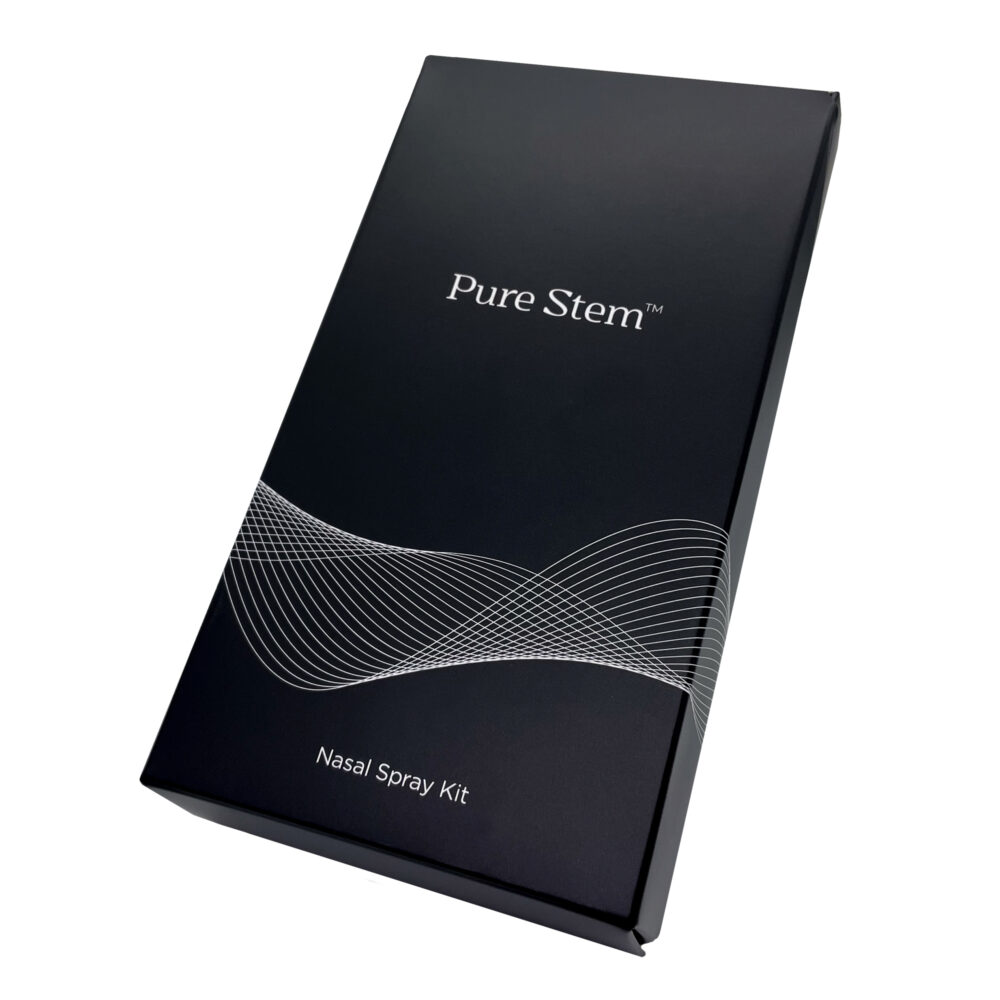
exosome nasal spray therapy
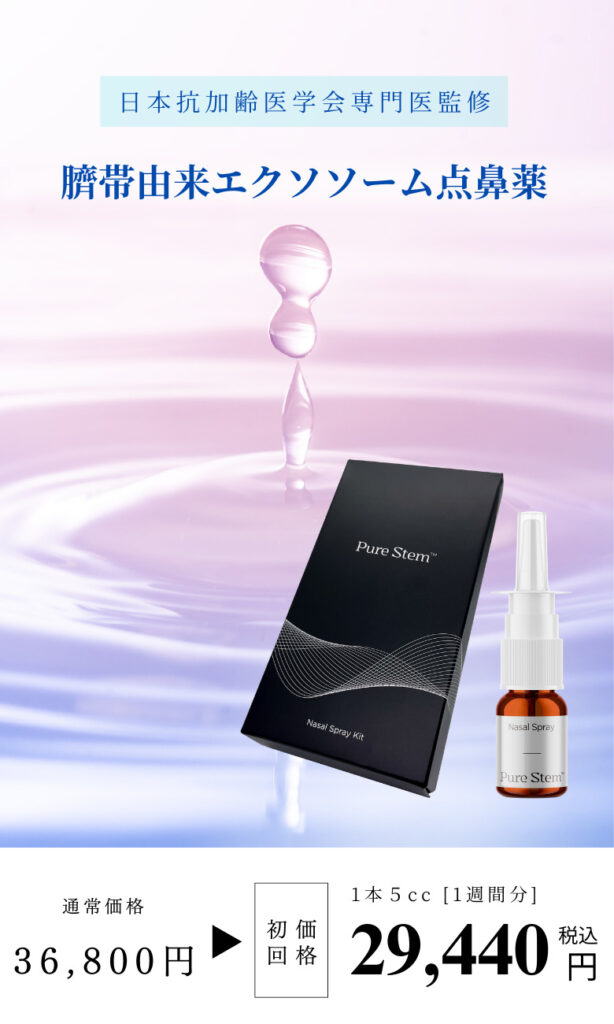
*The first-time price applies to those purchasing this product at our clinic for the first time.
"I know about exosome IV drips, but what is a nasal spray? And what's the difference?"
"I'd like to receive exosome nasal administration, but I'm not sure where to go."
Do you have any of these questions or concerns?
Exosomes are a well-known anti-aging treatment, and there are various methods of administration, such as IV drips and facial injections. Among these, a cosmetic dermatology clinic—which is a Ministry of Health, Labour and Welfare-certified facility for Regenerative Medicine Provision Plans—will provide an easy-to-understand explanation from a professional perspective regarding the "nasal spray" method, in which exosomes are administered through the nose.
(*Certification Numbers for Type II and Type III Regenerative Medicine Provision Plans: NA8230001)
*If you are comparing clinics and are concerned about pricing, you may save time by jumping to the table of contents below.
Group Chief Director, Smart Skin Clinic Group
Ishii Kota
Career
Graduated from Juntendo University School of Medicine
Worked at Tokyo Women's Medical University Hospital and affiliated facilities
Worked at a major aesthetic clinic in Tokyo
Affiliations / Qualifications
Board-certified specialist, Japan Surgical Society
Board-certified specialist, Japanese Society of Anti-Aging Medicine
What is the Exosome nasal spray?
This is a treatment in which exosomes, which have anti-aging properties, are "administered through the nose."
IV drips and Dermapen may be more familiar methods of administering exosomes.
Nasal administration can deliver exosomes to the brain, and may help with dementia prevention, improved concentration, and reduced brain fatigue.
What is an exosome?

Exosomes are substances that occur naturally within the body. In medical terms, they are tiny cellular vesicles enclosed in a lipid bilayer membrane. They are actively secreted by a wide range of cells and play an important role in cell-to-cell communication.
Through this role in cell-to-cell communication, exosomes are understood to exert a range of effects, including anti-apoptotic, anti-inflammatory, neurogenic, and angiogenic actions. These effects, in turn, are thought to contribute to what is commonly referred to as anti-aging.
Variations in exosome administration methods
Exosome administration methods can be broadly divided into two patterns: systemic administration and local administration.
Systemic administration
- IV drip
- Injection
- Nasal administration
For details on IV administration, click here.
Local administration
- Vital Injector
- Dermapen
For details on administration with Dermapen, click here.
Effect
- Dementia prevention
- Reduced brain fatigue
- Improvement of insomnia
- Improved concentration
- Allergic rhinitis
- Improvement of long COVID symptoms
*Expected effects
*Results vary from person to person.
To deliver certain substances to the brain, they must pass through a barrier called the BBB.
BBB is a medical term standing for Blood Brain Barrier, referred to in Japanese as the cerebrovascular barrier.
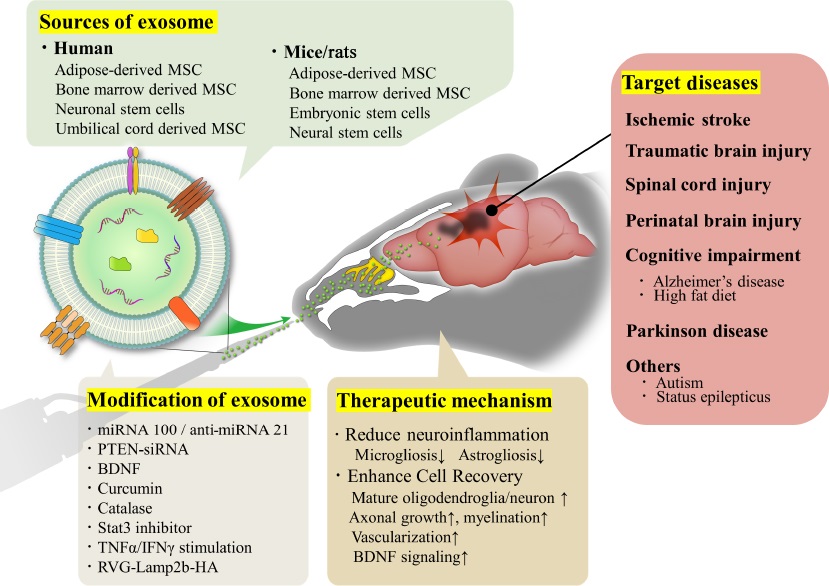
To overcome this hurdle and barrier, nasal administration has attracted attention as a non-invasive (damage-free) and effective route for delivering drugs to the central nervous system (the brain).
Numerous studies have confirmed that nasal (intranasal) administration can bypass the BBB and deliver low-molecular-weight substances and high-molecular-weight proteins to the central nervous system (the brain).
Nasal administration has the advantages of being non-invasive and highly practical. Intranasal administration makes it easier for all kinds of drug molecules and stem cells to bypass the BBB and reach the central nervous system, providing a non-invasive and effective method for stem cell therapy in central nervous system diseases.
Yu-Ting Zhang, et al. Advances in intranasal application of stem cells in the treatment of central nervous system diseases. Stem Cell Research & Therapy volume 12, Article number: 210 (2021).
Effectiveness of nasal therapy in patients with Alzheimer's-type dementia
Data have been reported on nasal administration therapy performed in patients with Alzheimer's-type dementia.
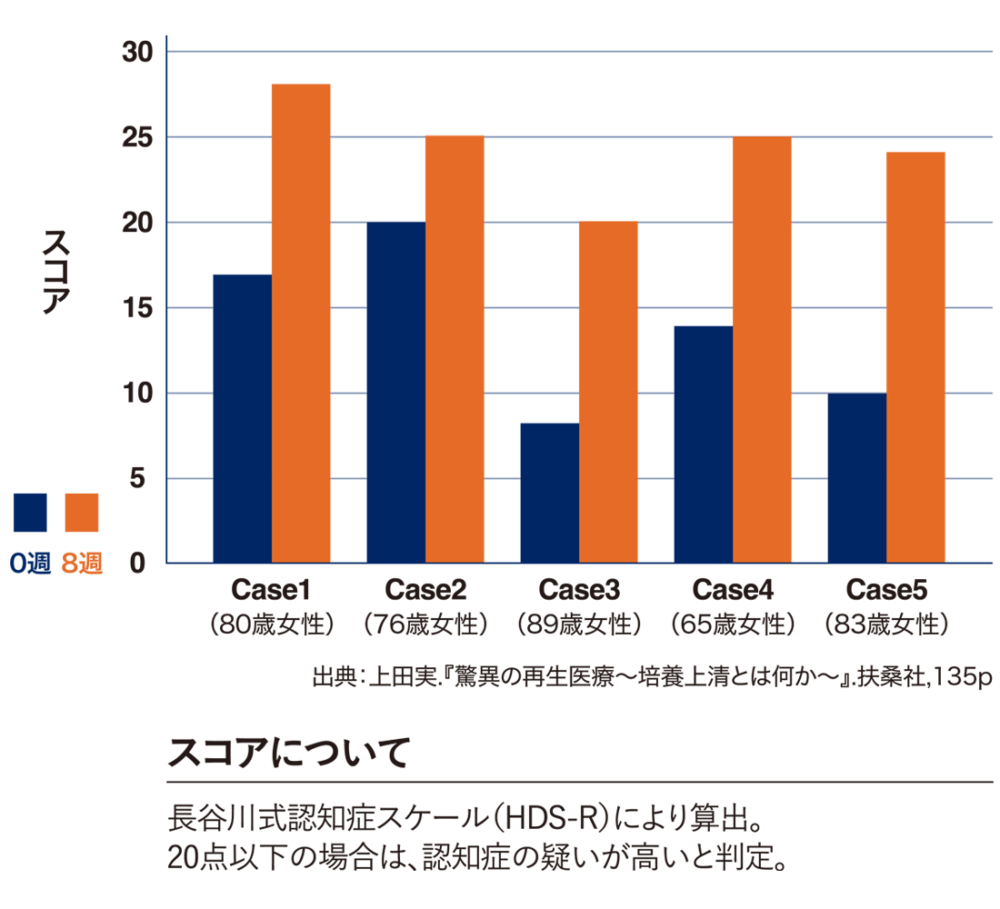
Using exosomes, remarkable improvement was seen in refractory conditions such as Alzheimer's-type dementia, cerebral infarction, atopic dermatitis, rheumatoid arthritis, and hay fever.
Without the need for expensive "transplant" surgery,treatment is possible with IV drips, topical application, or inhalation through the nose alone.
Since 2019, this innovative technology has been the subject of a large-scale collaborative clinical study with the University of Bergen, Norway.
Minoru Ueda, "Astonishing Regenerative Medicine: What Is Cultured Supernatant?"
Advantages and disadvantages of the nasal spray
Benefits
Administering through the nose allows the exosomes to reach the brain.
The blood vessels that lead to the brain have a barrier called the BBB (blood-brain barrier), which allows only certain components to enter the brain. For this reason, methods such as IV administration cannot efficiently deliver substances to the brain.
On the other hand, as noted earlier, nasal administration of exosomes (intranasal administration) makes it possible to reach the brain directly while bypassing the blood-brain barrier.
Drawbacks
One disadvantage may be that it can be costly.
Risks and Side Effects
It is basically the same as an exosome IV drip. Unlike an IV drip, no needle is inserted, so there are no side effects from needle insertion.
Safety Initiatives | Compliance with the Guidance of the Japanese Society for Regenerative Medicine
Our Exosome IV drip therapy is carried out in accordance with the "Guidance on the Clinical Application of Extracellular Vesicles, etc. (1st Edition)," published by the Japanese Society for Regenerative Medicine on April 30, 2024.
This guidance serves as an important set of principles for ensuring the safety and efficacy of exosome therapy, and at our clinic we carry out rigorous quality control and safety measures based on this guidance.
Our clinic's specific measures to ensure safety
- Conducting risk profiling
- We identify the potential risks associated with treatment and take appropriate measures.
- Rigorous preparation processes and quality control
- Our manufacturing processes and quality checks are based on the latest scientific findings.
- Carrying out appropriate verification of effectiveness
- We continually assess the effectiveness of treatment and strive to provide the most suitable care for each patient.
Placing your safety first, we are committed to providing treatment grounded in the latest scientific findings.
How to use the nasal spray (instructions for use)
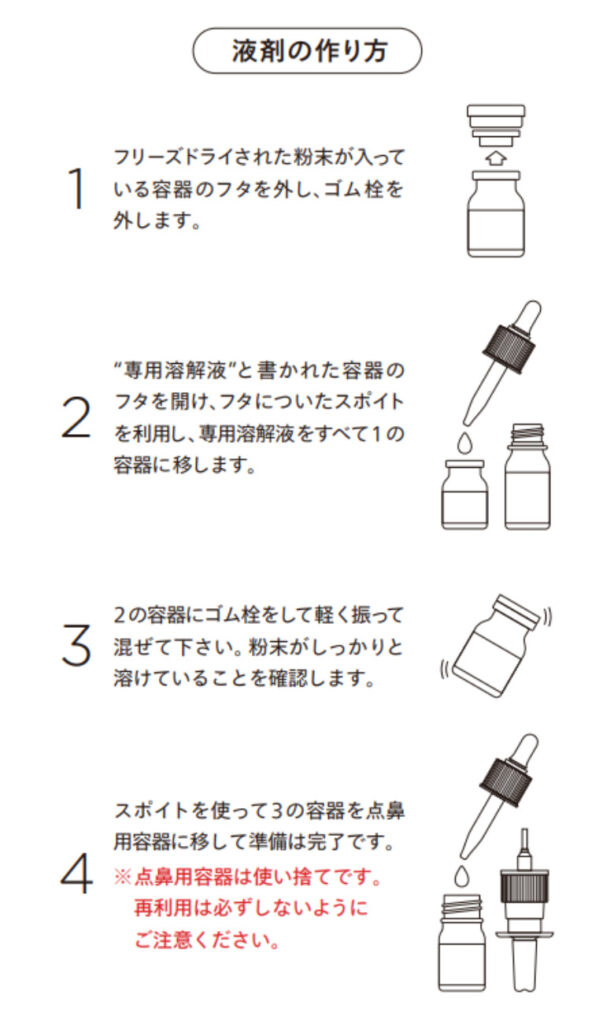
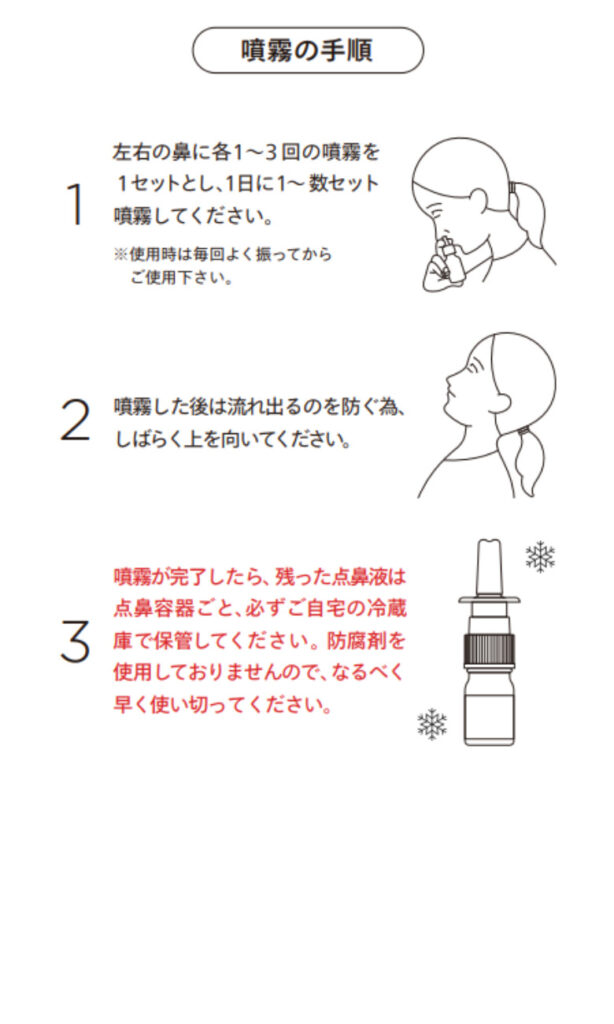
Features of Smart Skin Clinic's exosome nasal spray therapy
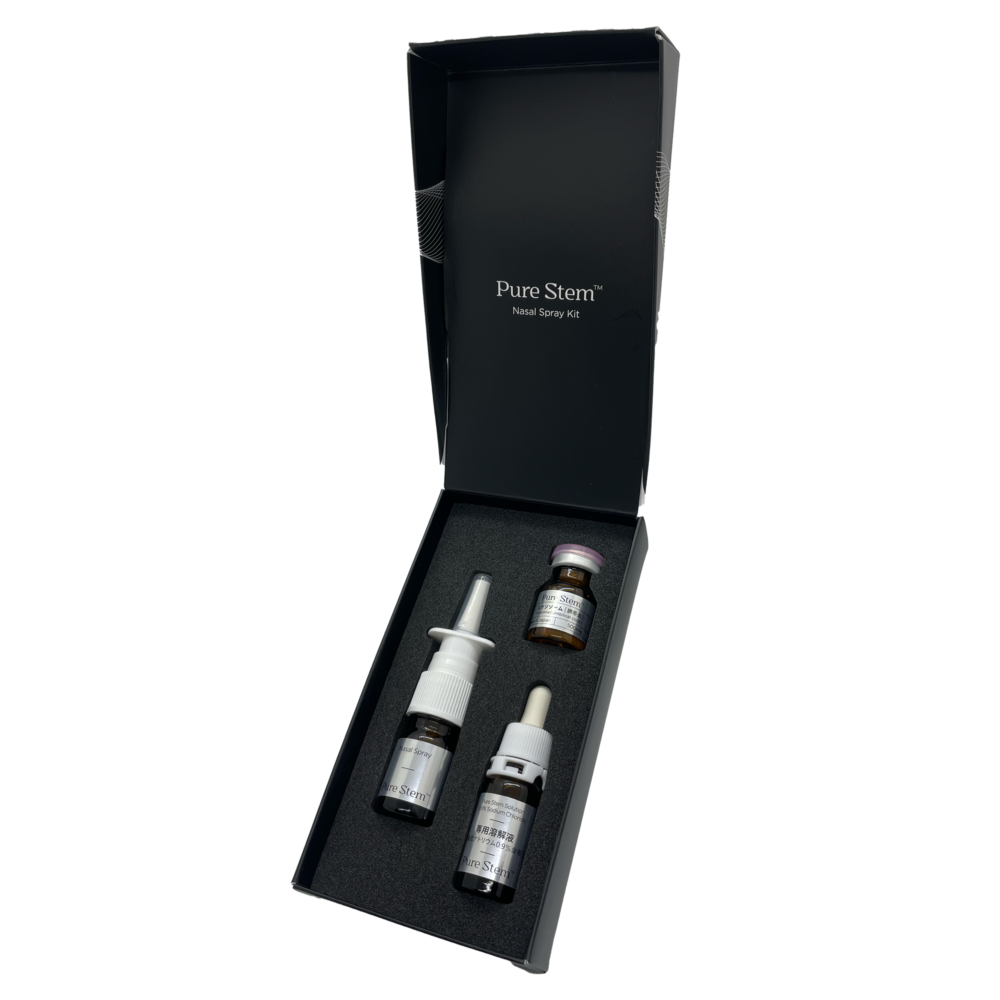
Use of umbilical cord–derived exosomes
At Smart Skin Clinic, we use "(1) umbilical cord–derived" exosomes—one of the three main types of exosomes: (1) umbilical cord–derived, (2) fat-derived, and (3) dental pulp– / bone marrow–derived.
Compared with other exosomes, umbilical cord–derived exosomes contain more than 14 times the amount of active components, as shown in the figure below.
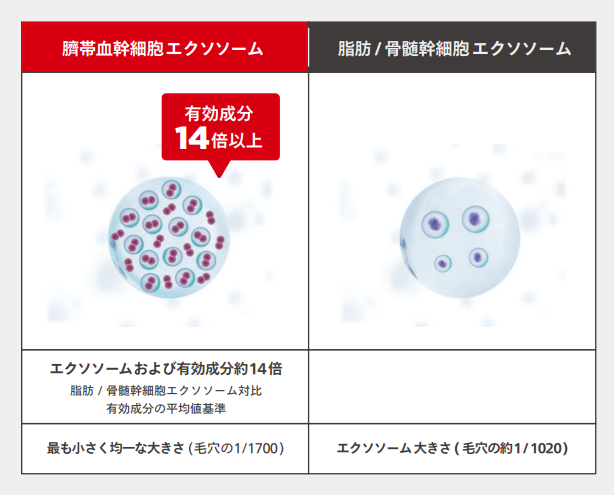
We would also like to highlight two of these "active ingredients," including specific data.
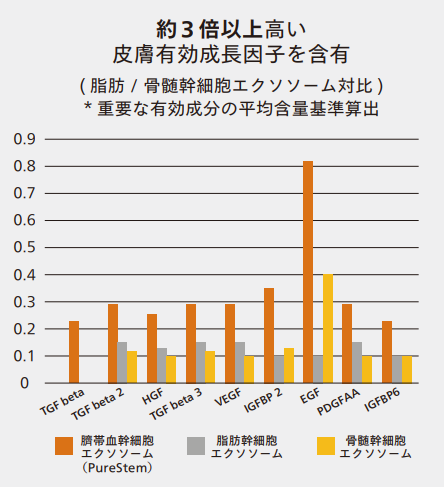
(1) Rich in active ingredients for the skin
The first is data on the active ingredients for the "skin."
Exosomes offer a variety of anti-aging effects, one of which is their effect on the "skin." As the figure below shows, umbilical cord–derived exosomes contain a richer concentration of active ingredients for the skin than other exosomes.
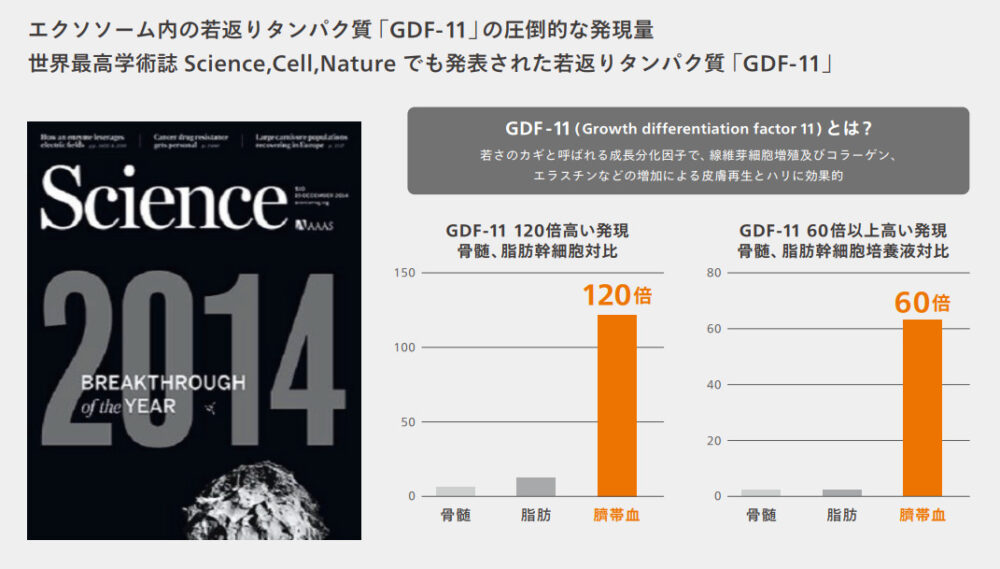
(2) Rich in the rejuvenating protein "GDF-11"
The second is data on components involved in "rejuvenation."
There is a component called GDF-11 that is involved in rejuvenation, and umbilical cord–derived exosomes contain it in abundance, as the data below shows.
Our "commitment" to price and quality
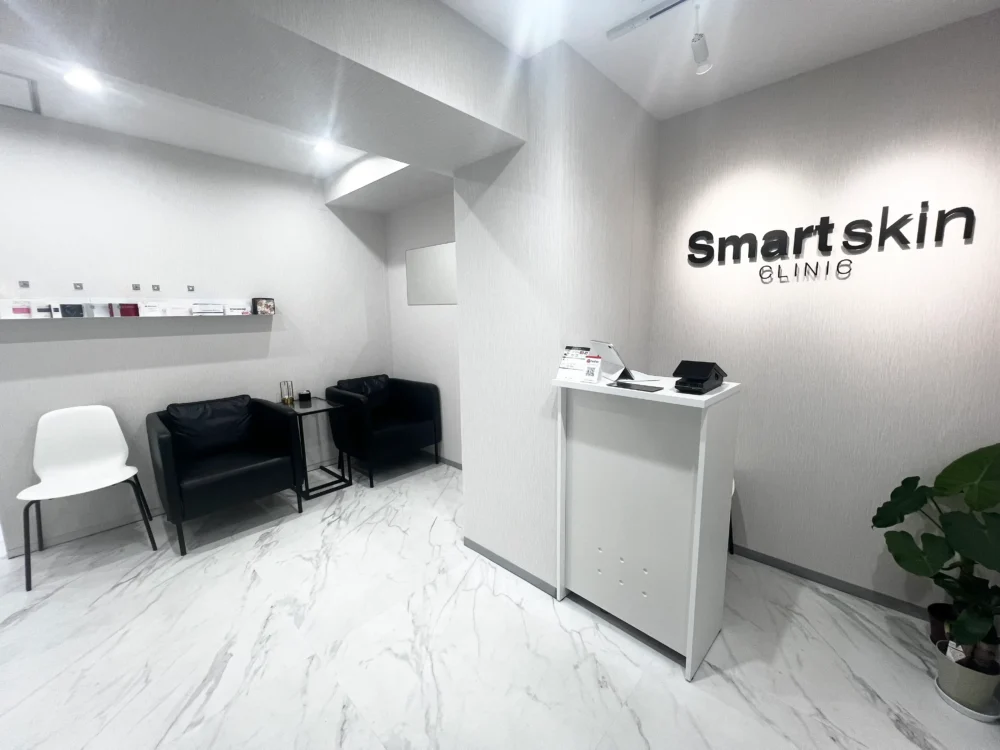
At our clinic, we are committed to price and quality. To realize this commitment, we take various measures, including a range of cost-cutting efforts (for example, not making the interior lavish, and reducing labor costs by eliminating the reception desk).
For details, please see here.
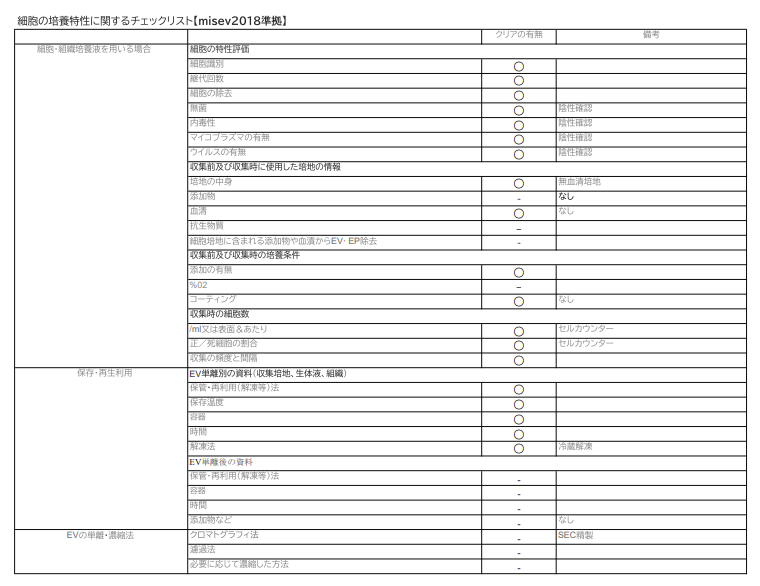
In accordance with MISEV2018, "Minimal Information for Studies of Extracellular Vesicles (MISEV), 2018 Edition"
Exosomes vary in terms of extraction methods, size, storage methods, and morphology.
For this reason, the International Society for Extracellular Vesicles (ISEV) has established guidelines for standardizing exosome protocols.
The guidelines proposed by ISEV are titled "Minimal Information for Studies of Extracellular Vesicles (MISEV) 2018 Edition."
Our hospital adheres to MISEV 2018, performing extraction and purification at a cell culture processing facility, and we use the resulting material at our hospital.
Pricing
| 1 bottle of 5cc [one-week supply] | |
|---|---|
| First-visit price | 29,440 yen |
| 1 bottle | 36,800 yen |
| 2 bottles (two-week supply) | 71,600 yen (35,800 yen per bottle) |
| 4 bottles (one-month supply) | 131,200 yen (1 bottle 32,800 yen) |
| 12 bottles (three-month supply) | 345,600 yen (1 bottle 28,800 yen ) |

Physician Who Supervised This Page
Smart Skin Clinic, Chief Medical Director / Physician
Kota Ishii
We oversee treatment policies across the entire group, tailored to the skin condition of each individual patient. The content on this page has been reviewed and approved in line with our clinic's treatment policies.
Interview with Director Kota Ishii
Kota Ishii, our Chief Medical Director, shares our clinic's approach to patient care.
Clinic List
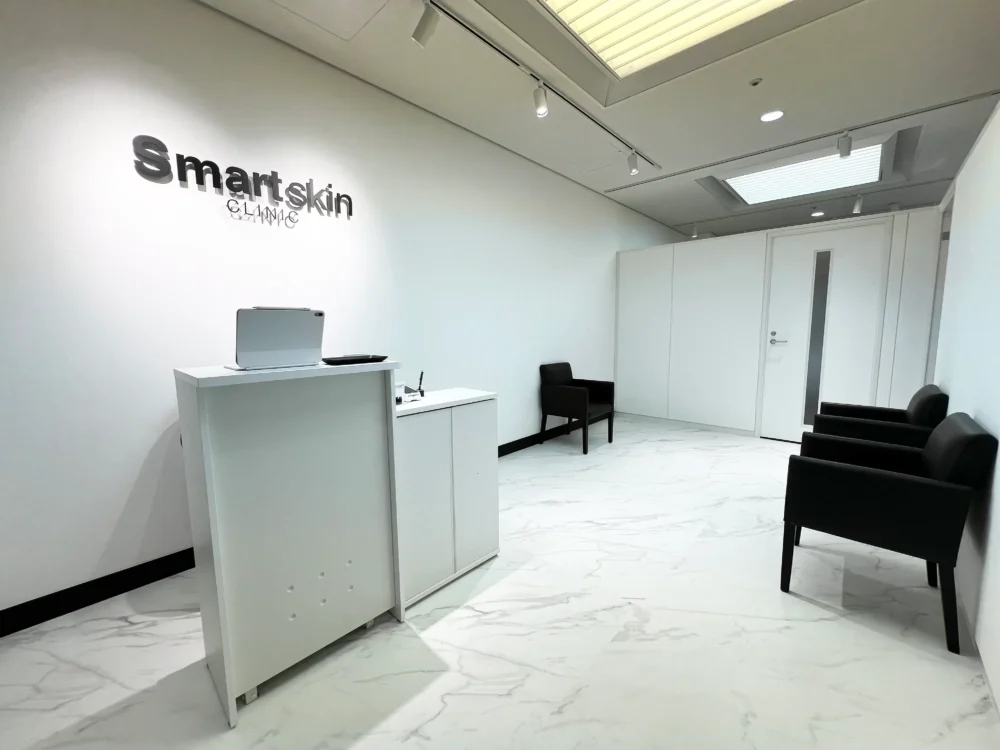
Jimbocho Clinic
〒101-0054
3-16-1 Kanda Nishiki-cho, Chiyoda-ku, Tokyo, EX Kanda Nishiki-cho Building 8F (general reception) / 7F
Hours: Mon–Fri 11:00–20:00 / Sat & Sun 10:00–19:00
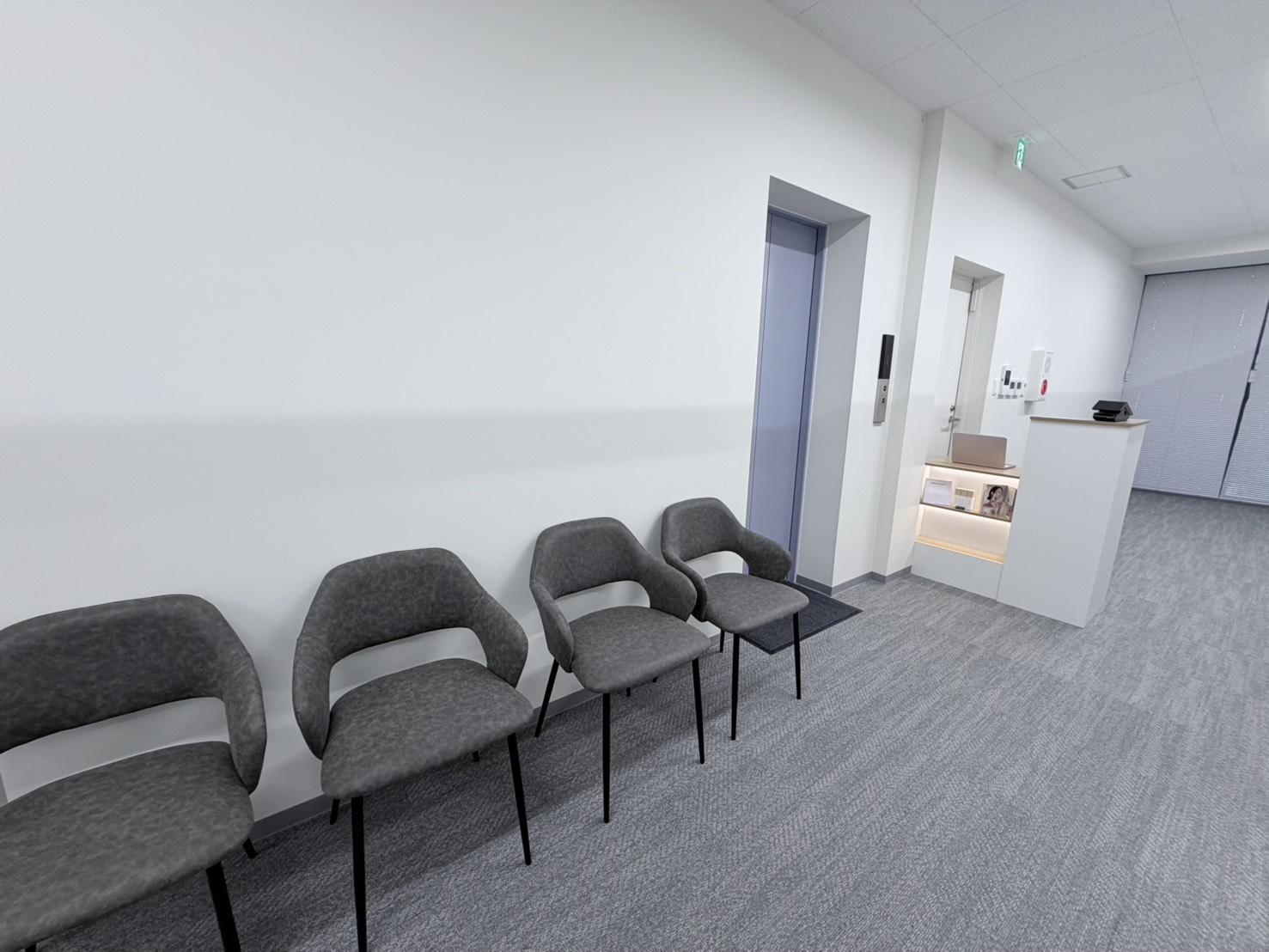
Yokohama Clinic
〒221-0835
TS Plaza Building 2F, 2-23-2 Tsuruya-cho, Kanagawa-ku, Yokohama-shi, Kanagawa
Hours: 10:00–19:00
Hatchobori Clinic
104-0032
2nd Floor, Tokyo NS Building, 2-29-4 Hatchobori, Chuo-ku, Tokyo
Hours: 10:00 a.m.–7:00 p.m. (Closed from 1:00 p.m. to 2:00 p.m.) / Closed: Mondays and Thursdays
About the physician supervision of this site
This site is operated under the supervision of a Smart Skin Clinic supervising physician.
This page was produced in accordance with the Medical Advertising Guidelines Medical Advertising Guidelines revised and enforced in June 2018, under which we produce and provide this information.
- Scope of supervision: treatment descriptions, risks and side effects, price display
- Last Reviewed: August 1, 2026