






![[Official] Smart Skin Clinic Group](https://smartskin-clinic.com/wp-content/uploads/2023/05/Smart-skin-clinic-ロゴ500-×-100-px.png)
Isotretinoin Lowest level in Japan 7,980 yen (30 days) | 【Official】 Smart Skin Clinic
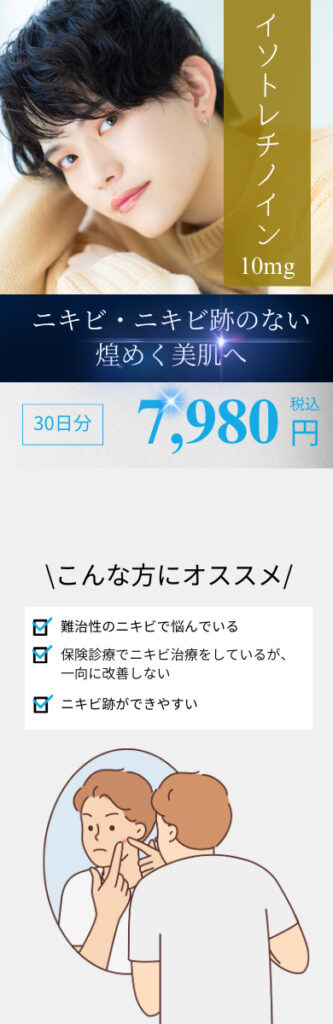
At our clinic, the free consultation is handled directly by a specialist physician, not by a beauty counselor as at major clinics. For this reason, there is no hard selling whatsoever during the free consultation, which has made it very well received even by patients who are new to aesthetic treatments. Please book with peace of mind.
"I wonder what isotretinoin is and what kind of effects it has."
"I've heard it dries out your lips, and I'm worried about the risks and side effects."
"I'd like to try isotretinoin, but I'm not sure I can find a clinic I can trust."
Do you have any of these questions or concerns?
Smart Skin Clinic, a cosmetic dermatology clinic, will address these questions and concerns from a professional standpoint in an easy-to-understand way.
*If you'd like to know the prices, you can jump there from the table of contents below.

Group Chief Director, Smart Skin Clinic Group
Ishii Kota
Career
Graduated from Juntendo University School of Medicine
Worked at Tokyo Women's Medical University Hospital and affiliated facilities
Worked at a major aesthetic clinic in Tokyo
Affiliations / Qualifications
Board-certified specialist, Japan Surgical Society
Board-certified specialist, Japanese Society of Anti-Aging Medicine
What is isotretinoin (Isotroin, Accutane)?
Simply put, isotretinoin is an oral treatment for acne. It belongs to a class of drugs known as vitamin A derivatives.
It is also a medication that is sometimes referred to as "the ultimate weapon in acne treatment".
To put it simply, it has the effect of shrinking the sebaceous glands, which results in its effectiveness in treating acne.
Isotretinoin is the name of the active ingredient, and it is sold under several brand names, including Accutane, Isotroin, Roaccutane, and Tretiva.
Although it is not yet covered by insurance in Japan, this medication has been in use overseas for many years. Specifically, it has been used in Europe and the United States for about 35 years, and was approved in the United States in 1982.
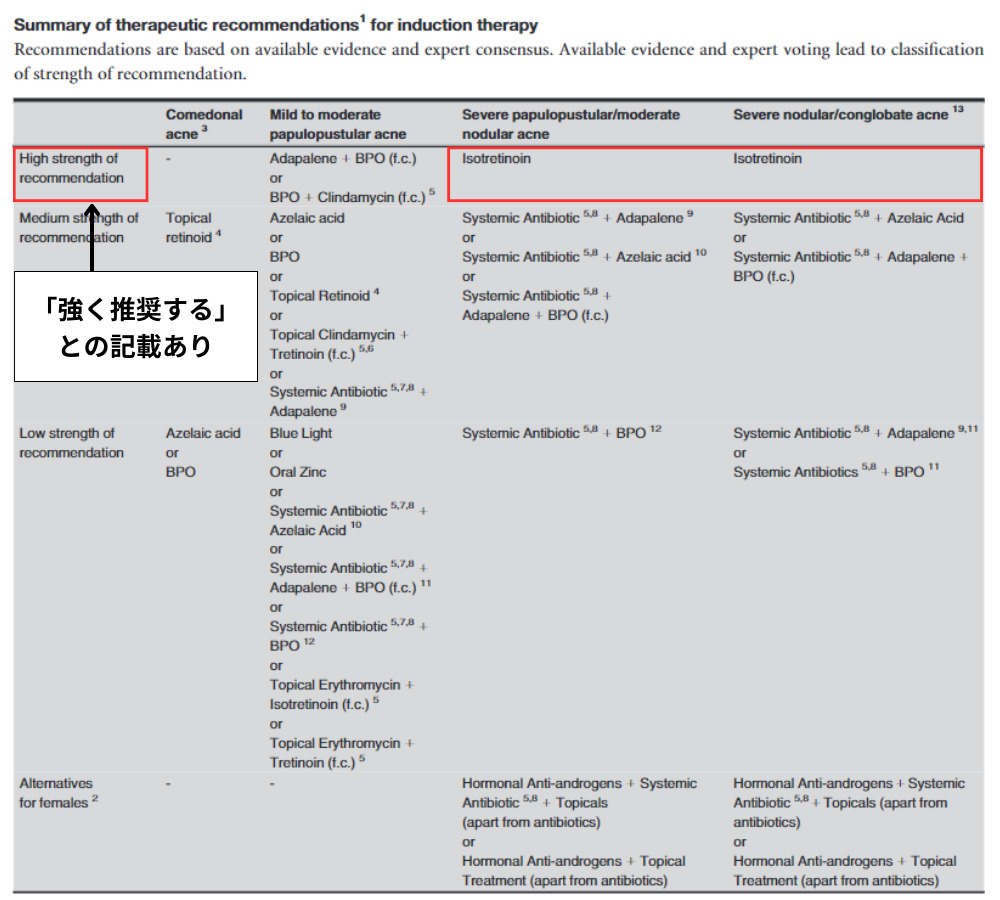
For moderate to severe acne, oral isotretinoin treatment is highly recommended in the “Acne Treatment Guidelines” of the United States and Europe. Since isotretinoin carries risks and side effects, it must be prescribed by a doctor after a medical examination.
Below is an excerpt from actual “acne treatment guidelines” in Europe and the United States. While the English text may be difficult to understand, it states that “isotretinoin” is a treatment with a “high strength of recommendation” for “severe” acne.
Isotretinoin case photos (Before/After)
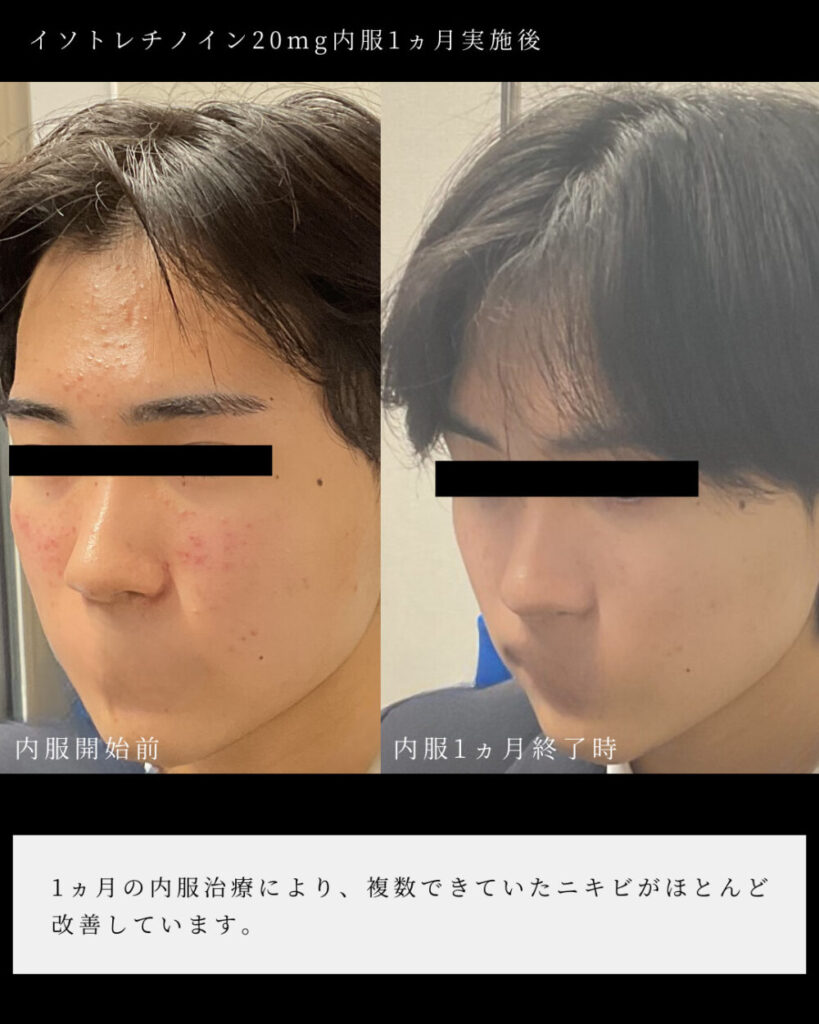
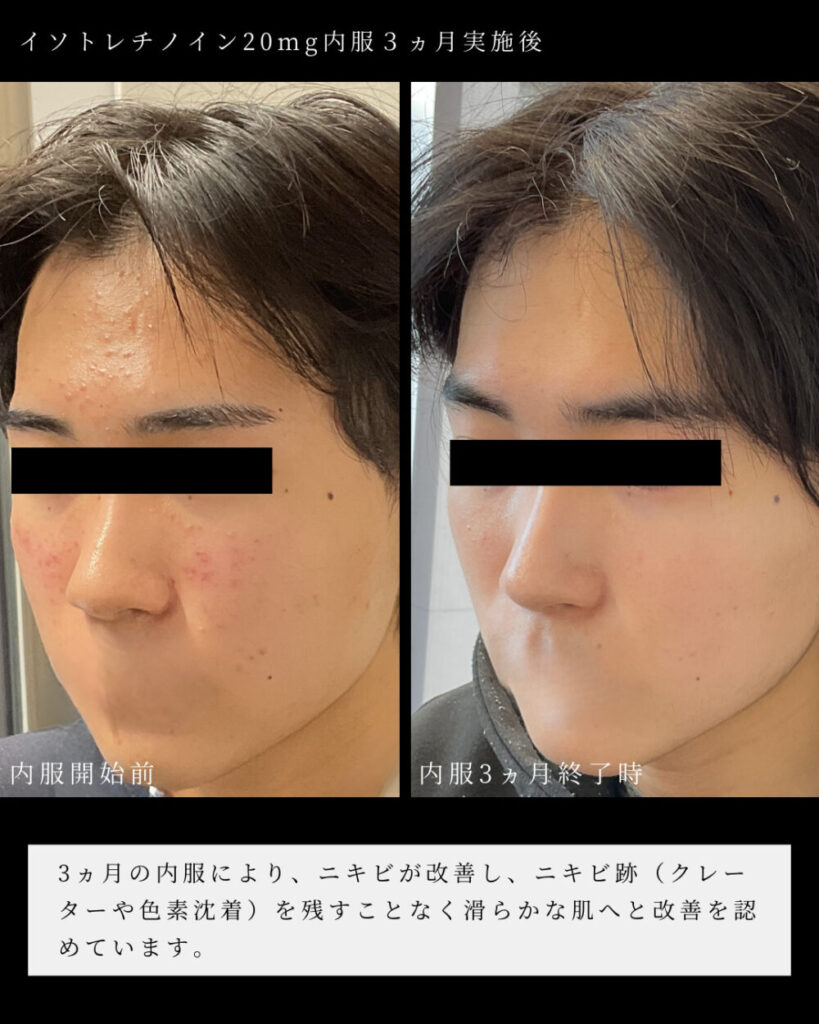
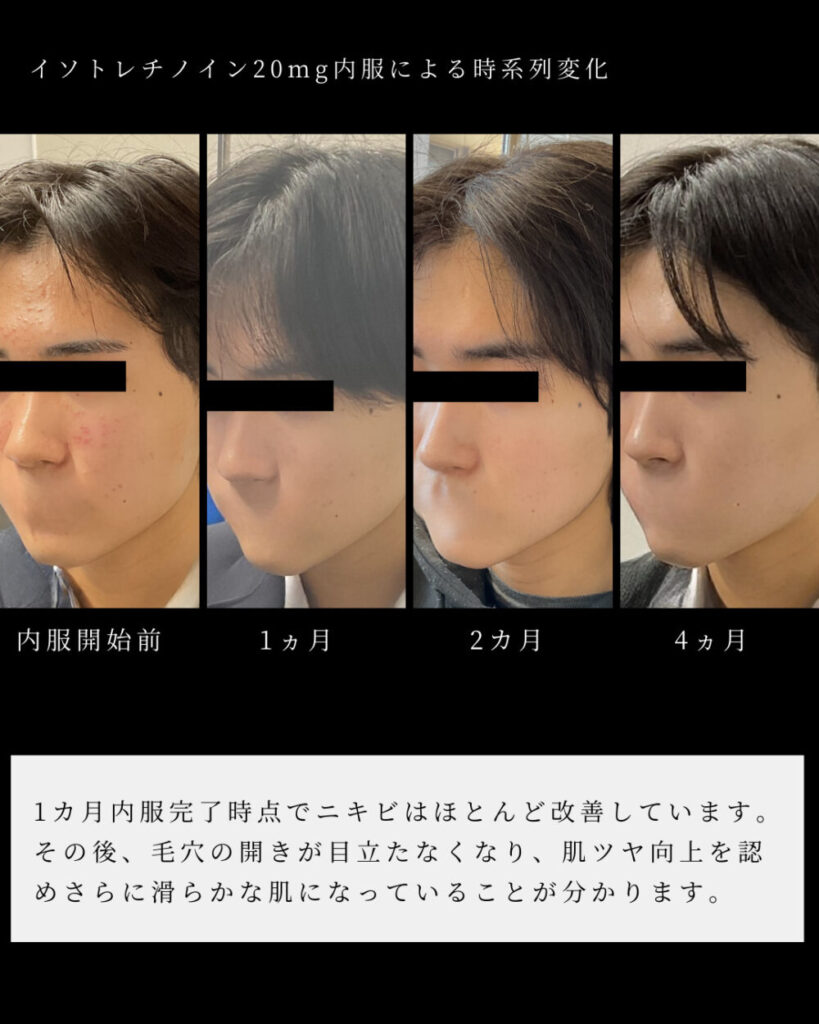
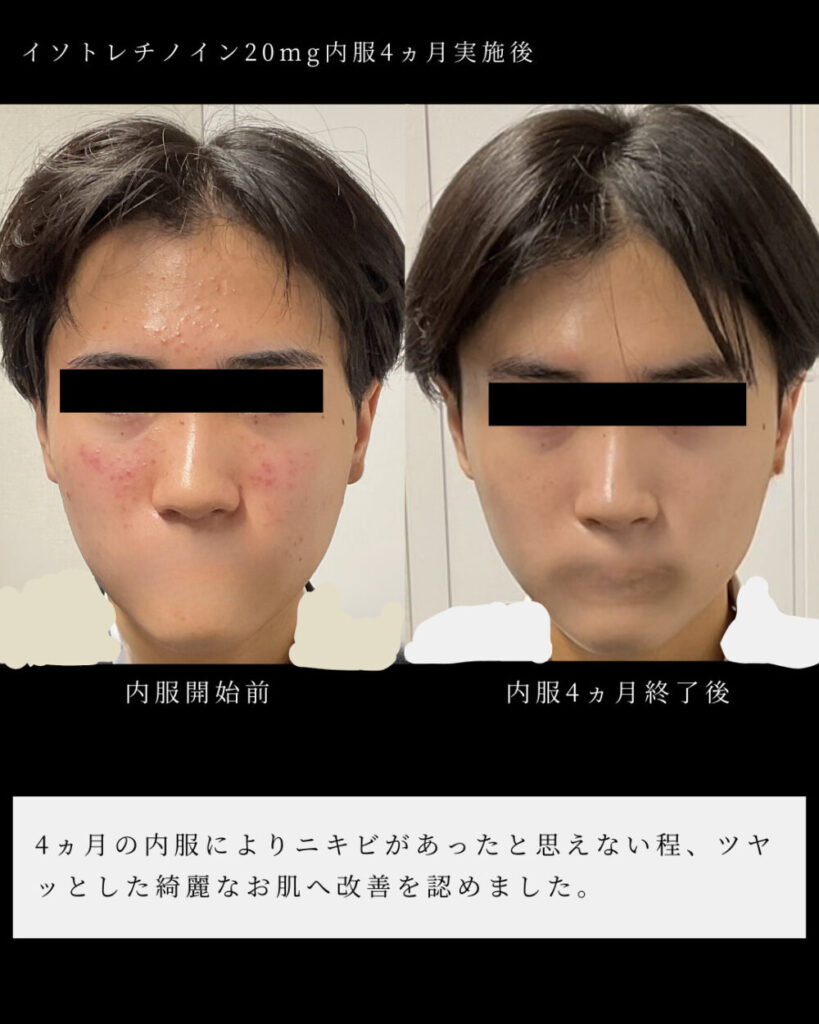
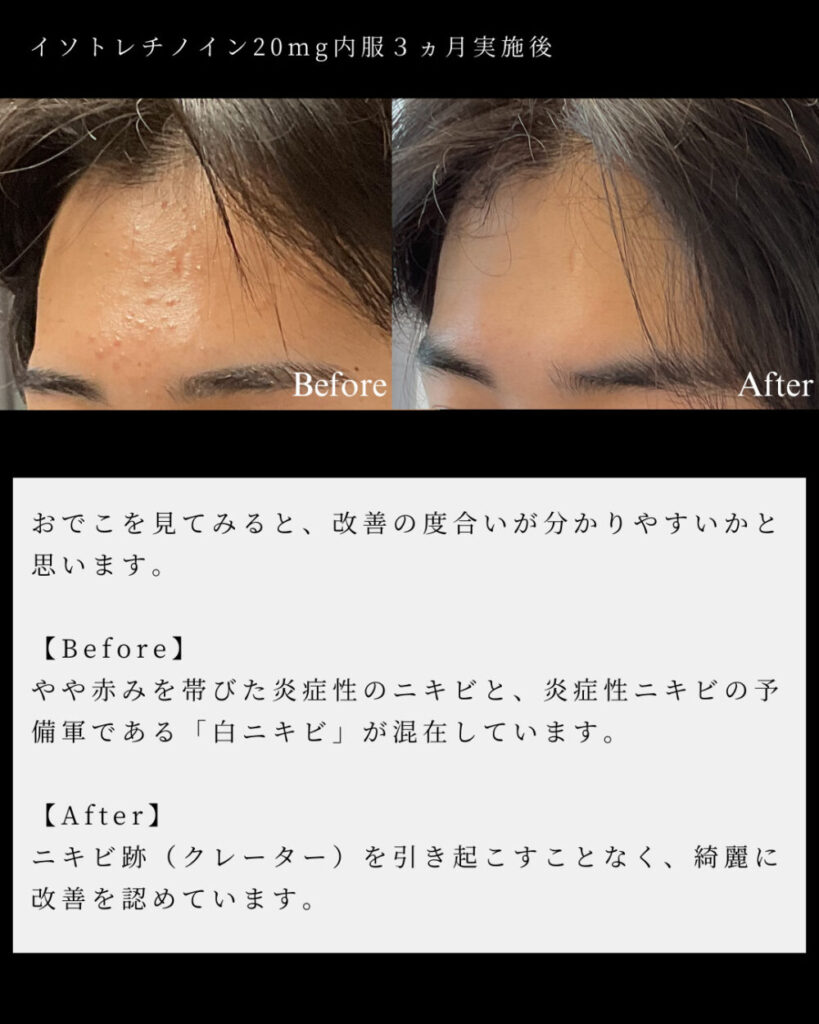
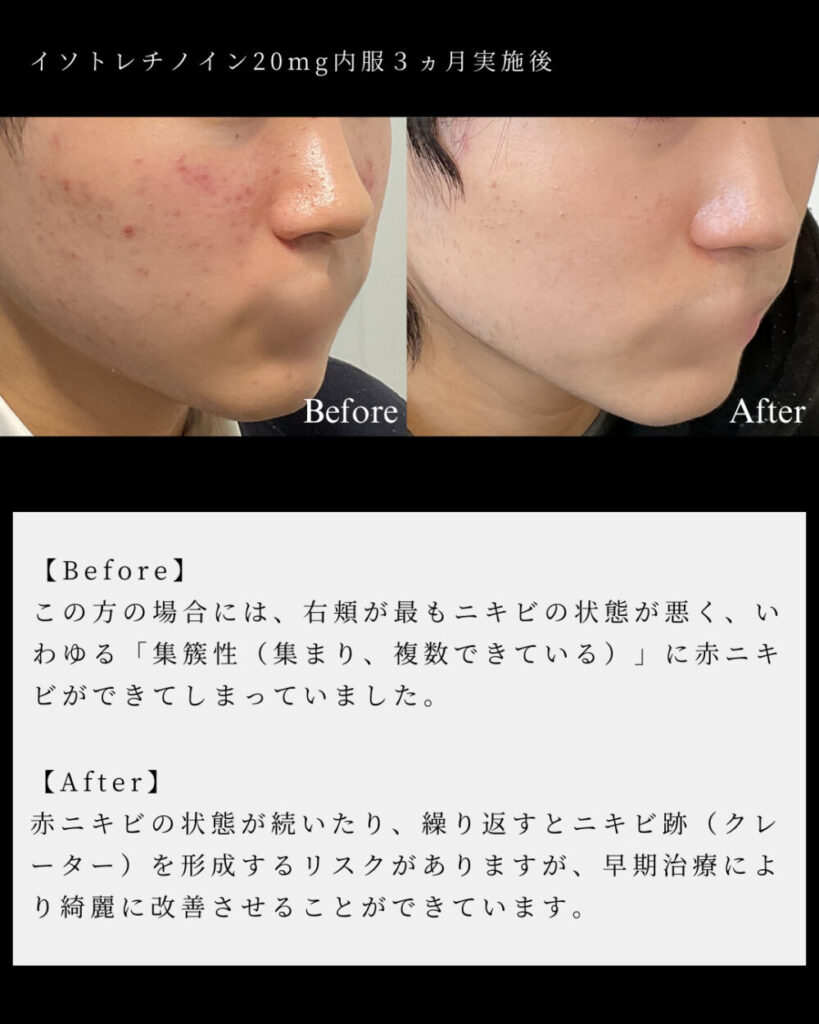
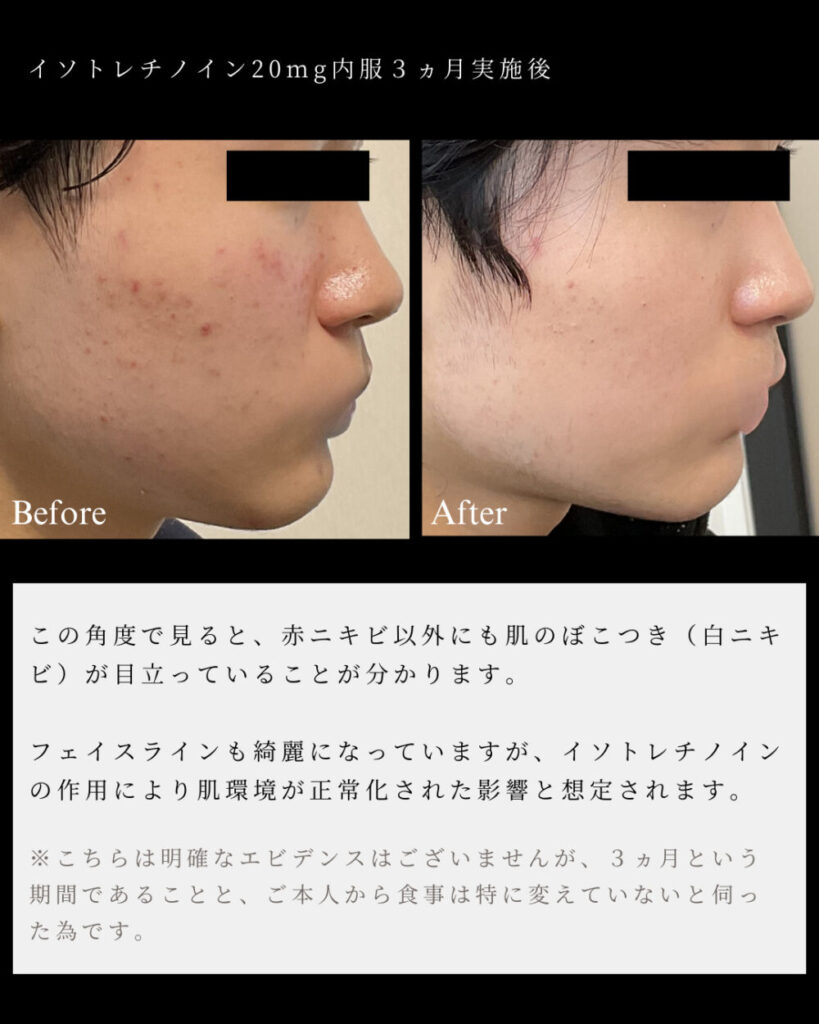
| Treatment name | Oral isotretinoin treatment (20 mg) |
| Treatment details | Aims to improve acne and oily skin through oral isotretinoin. One tablet taken once a day. |
| Treatment period | On average, 6 to 9 months. |
| Pricing | 10 mg (30-day supply): 7,980 yen 20 mg (30-day supply): 12,980 yen *Tax included; self-pay treatment |
| Risks and Side Effects | Because this medication is teratogenic, contraception is mandatory Dry skin (especially the lips) Changes in liver function, fluctuations in lipid levels, joint and muscle pain, headaches, dizziness, visual disturbances, photosensitivity, allergic reactions, changes in bone density |
Why we can deliver both "high quality" and "some of the lowest prices in the nation"The reasons we can achieve this
In fact, more than 90% of aesthetic clinics carry too many unnecessary costs to offer their patients the best possible price.
Guided by this awareness of the problem, we created an aesthetic clinic completely unlike the conventional norm.
(1) Areas with low rent
(2) Cutting back on lavish interiors
(3) Cutting back on excess staffing
(4) Cutting back on excessive advertising spend
This is how we deliver something other clinics can't match: the "Isotretinoin offered at one of the lowest price levels in Japan" we're able to achieve.
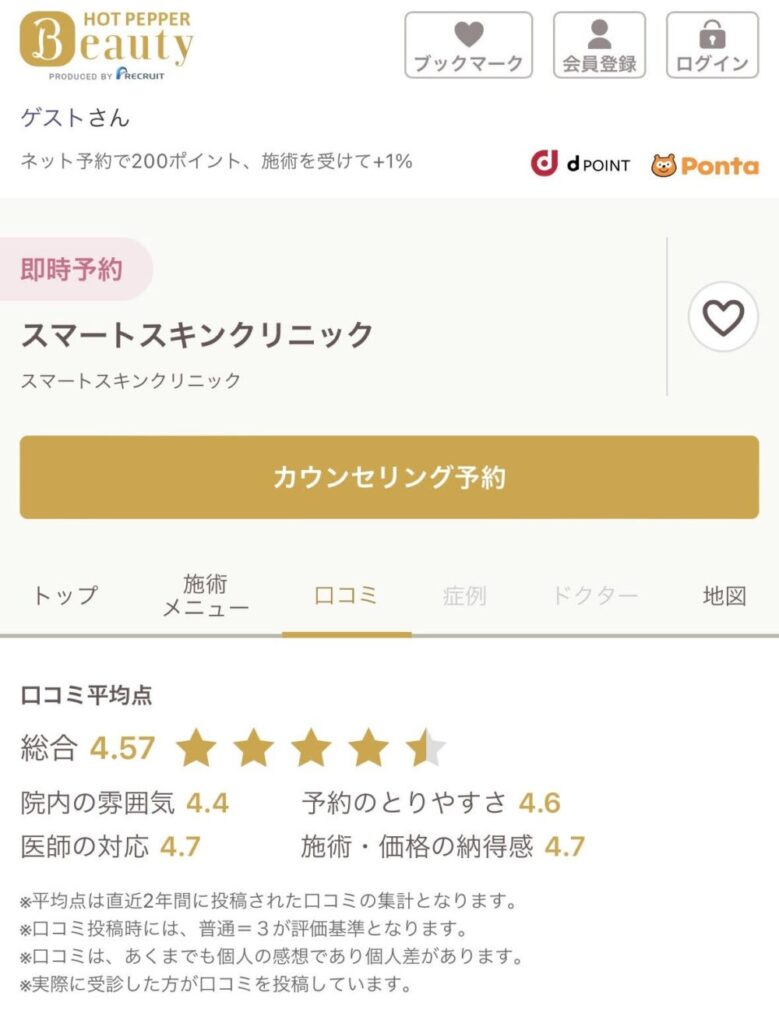
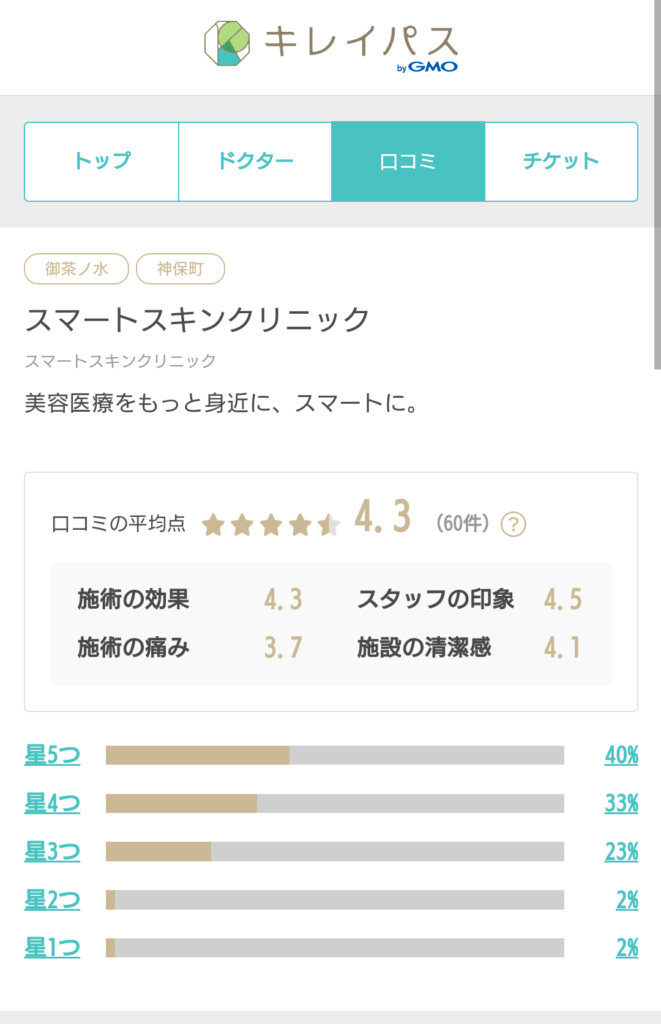
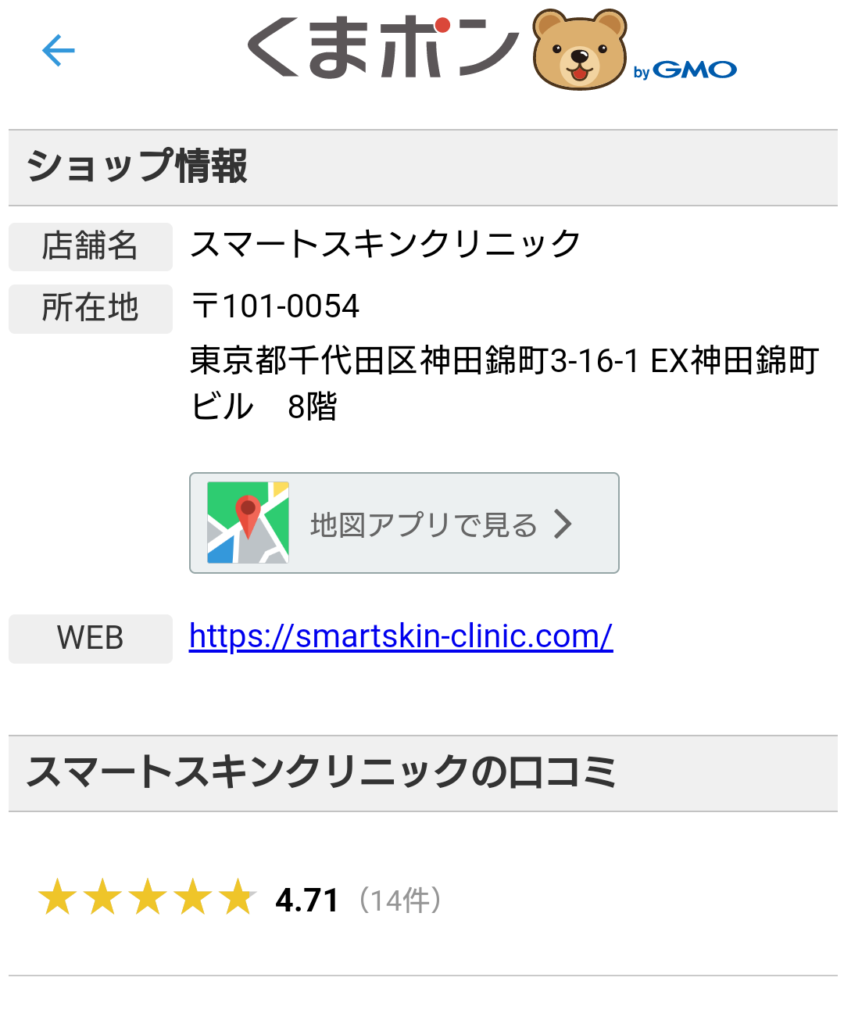
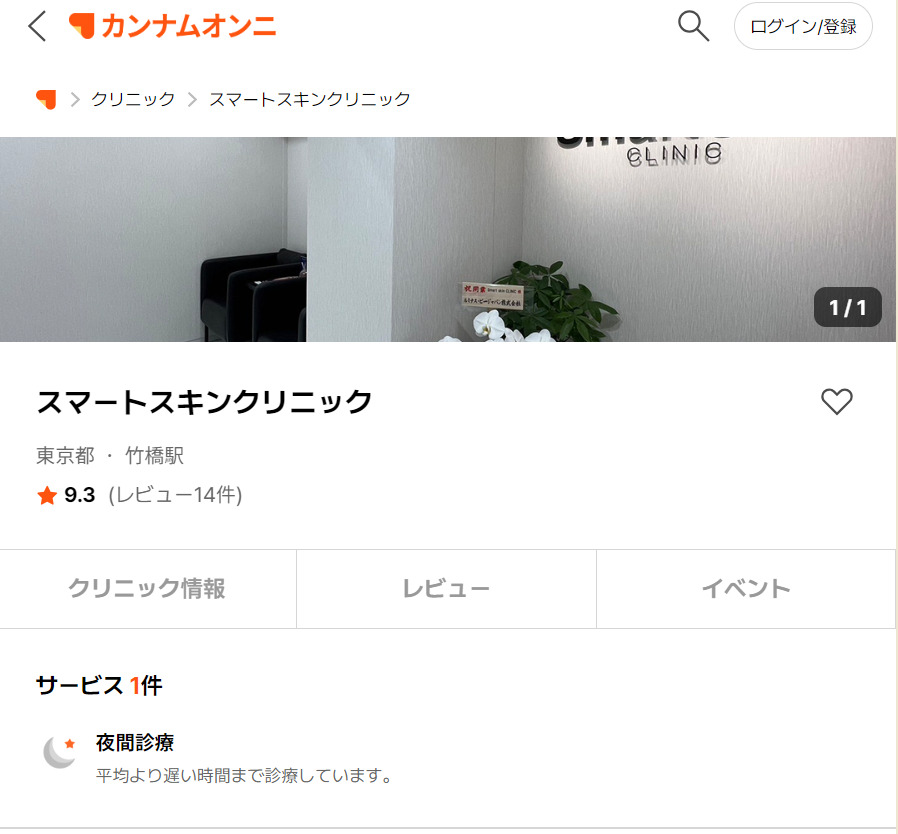
Smart Skin Clinic consistently earns high ratings in reviews on Google, Hot Pepper, KireiPass, and more.
At Smart Skin Clinic, we think carefully about what our patients truly need and thoroughly cut out unnecessary costs, allowing us to deliver affordability, high quality, and high satisfaction all at once.
As a result,we earn high ratings across a variety of review sites, including Google and Hot Pepper Beauty.we have earned.
As a result, about 80% of those who visit us once return for repeat treatment.


Hot Pepper Beauty rating 4.57/5.00
KireiPass rating4.30/5.00
Kumapon rating4.71/5.00
Gangnam Unni rating9.3/10.0
The effects of isotretinoin (Isotroin, Accutane) and how they work
Effect
Main effects
- Improvement of acne
- Often eliminates the need to deal with recurring acne (long-term remission)
- Can be effective even against severe acne
Secondary effects
- Improvement of oily skin
- Pores may become less noticeable
- Blackheads in the pores are less likely to form
- The skin may gain a healthy glow
In our actual clinical experience, there have been cases where a patient who had continued insurance-covered treatment (oral and topical medications) for two to three years without improvement began taking Isotroin and saw improvement in about three months.
Three mechanisms behind the effects
Mechanism 1: Reduction of skin oil
Isotretinoin regulates the function of the sebaceous glands and reduces the skin's oil production.This helps suppress the excessive secretion of sebum that causes acne and reduces inflammation and clogged pores.
Isotretinoin also inhibits the activity of lipid-synthesizing enzymes in the sebaceous glands. Specifically, it reduces sebum secretion by inhibiting 5α-reductase and shrinking the size of the sebaceous glands.
As sebum secretion decreases, pores may, as a secondary effect, become less noticeable.
Mechanism 2: Suppression of inflammation
Isotretinoin also helps improve the symptoms of inflammatory acne. It exerts an anti-inflammatory effect on the factors that cause inflammation, easing symptoms such as redness and swelling.
It suppresses inflammation by regulating various mechanisms involved in the inflammatory response. Specifically, it reduces the production of inflammatory cytokines (IL-1, IL-6, IL-8, and others), easing the inflammatory response. It also suppresses T-cell activation and neutrophil migration, thereby reducing inflammation.
Mechanism 3: Improvement of turnover
Isotretinoin has the effect of reducing clogged pores. This also improves pore-related problems such as comedones and blackheads.
It also improves the differentiation and apoptosis (cell death) of epidermal cells by regulating gene expression. As a result, skin turnover is normalized, which helps reduce clogged pores.
It also helps improve keratinization abnormalities. By promoting normal keratin formation and suppressing excessive keratinization in the stratum corneum, it reduces clogged pores and inflammation.
Since it improves skin turnover, it may also result in a more radiant complexion as a secondary benefit.
Dosage and duration of oral administration
The dosage and duration of isotretinoin are determined individually, based on factors such as the severity of the patient's symptoms. While guidelines set certain standards, treatment is not always carried out exactly according to them.
Internationally, the standard approach is 0.5 mg/kg to 1.0 mg/kg taken orally for 15–20 weeks.
However, this is merely the global standard, so it is best to tailor it to the characteristics of Japanese patients.
For example, since Japanese patients tend to have severe acne less often than those overseas, it is considered acceptable to begin treatment at a lower dose. For Japanese patients, treatment often starts at around 0.3 mg/kg.
The following summarizes a typical case.
Dosage:
- In general, the recommended daily dose of isotretinoin is 0.5 to 1 milligram per kilogram of body weight.
- For severe acne, the total daily dose may be increased to 0.5 to 2 mg.
- The dose is usually adjusted based on body weight.
Duration of oral administration:
- The treatment period for isotretinoin is generally 16 weeks (about 4 months) to 24 weeks (about 6 months).
- In some patients, the treatment period may be extended.
- The duration is determined on an individual basis, depending on the course of treatment and the patient's condition.
An example of the treatment course
Before starting treatment:
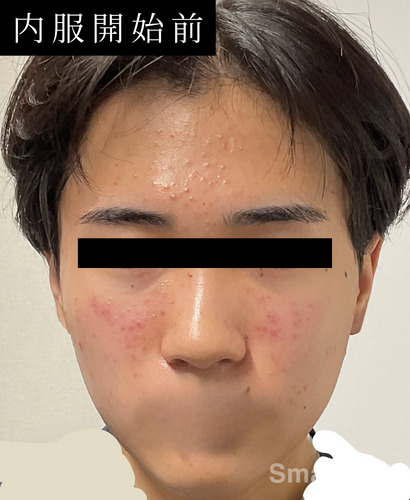
| Treatment name | Oral isotretinoin treatment (20 mg) |
| Treatment details | Aims to improve acne and oily skin through oral isotretinoin. One tablet taken once a day. |
| Treatment period | On average, 6 to 9 months. |
| Pricing | 10 mg (30-day supply): 7,980 yen 20 mg (30-day supply): 12,980 yen *Tax included; self-pay treatment |
| Risks and Side Effects | Because this medication is teratogenic, contraception is mandatory Dry skin (especially the lips) Changes in liver function, fluctuations in lipid levels, joint and muscle pain, headaches, dizziness, visual disturbances, photosensitivity, allergic reactions, changes in bone density |
Month 1:
You may experience side effects on the skin, eyes, and nose, and especially the lips. This occurs because isotretinoin works by shrinking the sebaceous glands and reducing the skin's oil content.
In addition, some patients may experience a temporary worsening of acne when they first start using isotretinoin. This is known as an “initial flare” or “purging” period, which is said to occur as the medication expels impurities from deep within the skin.
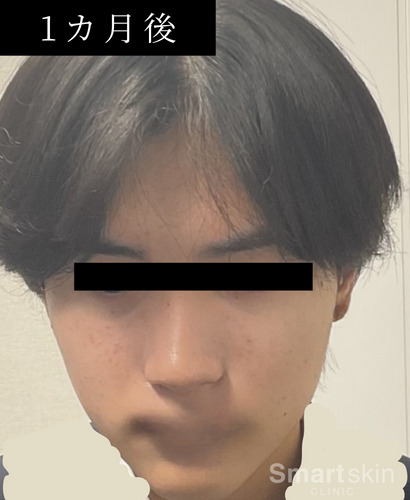
Month 2:
In most cases, improvement in acne is often observed at this point. On the other hand, dry skin and other side effects may persist or, in some cases, worsen. Doctors typically evaluate the patient’s response at this stage and adjust the dosage as needed.
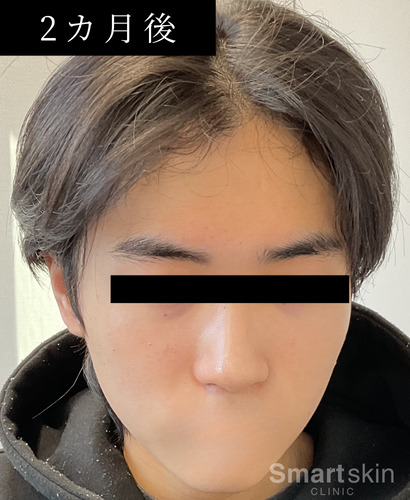
Months 3–4:
Most patients show improvement at this stage. New breakouts become almost nonexistent, and existing acne clears up.While some patients experience side effects, many have learned how to manage them (e.g., by applying lip balm).
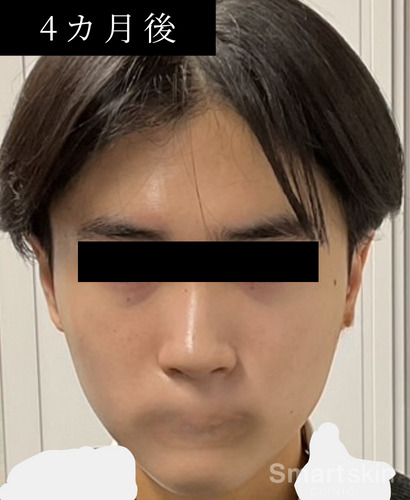
Months 5–6:
Most patients complete their treatment. The skin becomes clear, with few new acne breakouts. Side effects may persist for a while after discontinuing the medication, but they usually resolve over time.
*Please note that not all patients will improve along exactly this course.
What happens after stopping? What is the recurrence rate?
The course after stopping isotretinoin
The first few weeks after finishing:
Skin dryness and other side effects may persist even after treatment is complete. However, these side effects gradually diminish.
The months after finishing:
In many cases, acne clears completely and new breakouts are kept in check. Skin side effects are almost entirely resolved.
More than 6 months after finishing:
In some patients, acne may reappear after treatment ends. This is usually less severe than before, and in most cases can be controlled with another course of isotretinoin or other methods.
Recurrence rate
There is no clear data on recurrence rates, but it is fair to say that recurrence is rare. A small number of people do experience recurrence, but in most cases it is not as severe as before.
Why is it unapproved and not covered by insurance in Japan?
In the United States and other countries, it has been an insurance-covered oral medication for more than 30 years, but in Japan it is not covered by insurance.
The reasons involve side effects and the difficulty of risk management.
One example is its effects before birth.
Isotretinoin may cause serious birth defects or developmental disorders in a fetus if a woman becomes pregnant while taking it or shortly after stopping treatment. Therefore, women using this medication must strictly practice contraception. It is believed that such management and monitoring are difficult, which is why its use is not approved in some countries.
Here, let us also look at the opinions of physicians in Japan regarding the use of isotretinoin.
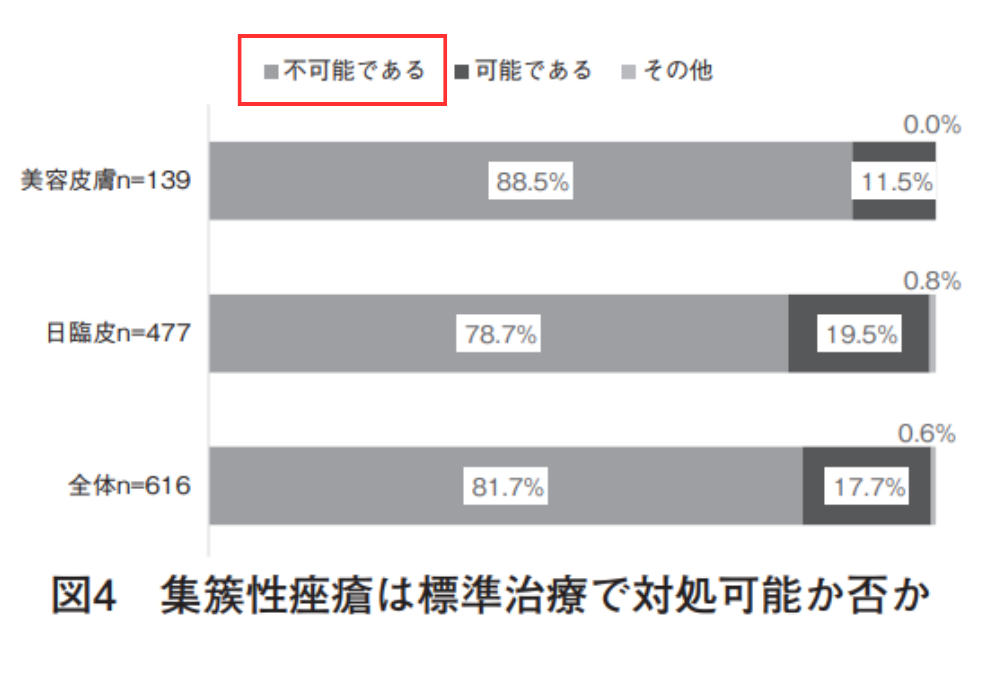
What is acne conglobata?
A treatment-resistant form of acne or pyoderma that is more common in men and involves numerous comedones, cysts, and nodules appearing not only on the face but also on the chest and back.


In summary, it seems fair to say that many doctors recognize the need for isotretinoin treatment for refractory acne.
Those who cannot be treated
・Pregnant
・Breastfeeding
・Those who are considering pregnancy
(Reason) As mentioned earlier, if pregnancy occurs during use or within a short period after use, it may cause serious fetal malformations or developmental disorders.
・Children
In principle, it cannot be used for children aged 12 or younger. For those aged 13 to 17, we consider its use for a set period after taking their circumstances into account.
From what age can it be taken orally?
According to Western guidelines for acne treatment, "oral medication can be prescribed starting at age 12". (In other words, oral medication is prohibited for children under 12.)
Now, let me explain why age matters in the first place. It’s because of the “impact on bones”—or, in other words, “it may affect height growth (bone growth)”.
While this is sometimes mentioned in theoretical discussions, clinical studies (medical journal articles) indicate that taking isotretinoin for a short period of about 6 months “has no significant effect”.
Acne carries the risk of leaving lasting marks in the form of "craters" and "hyperpigmentation." As a cosmetic dermatology clinic, we also treat people troubled by craters and hyperpigmentation, and craters in particular are difficult to improve. For this reason, we believe there is great value in treating acne early with isotretinoin.
Risks and Side Effects
Serious side effects
(1) Fetal malformations, miscarriage, stillbirth, premature birth
(2) Serious psychiatric conditions such as depression, psychosis (visual and auditory hallucinations), self-harm, and suicide attempts
Common side effects
(3) Dryness of the skin and mucous membranes
Isotretinoin shrinks the sebaceous glands, reducing the oil in the skin and mucous membranes. This causes dry lips, dry nose, dry eyes, and excessively dry skin.
Dryness of the mucous membranes of the nose may make you more prone to "nosebleeds."
Other side effects
(4) Changes in liver function
Isotretinoin places a burden on the liver and can cause abnormal liver function in some patients. For this reason, periodic liver function tests are required during treatment.
(5) Fluctuations in lipid levels
Isotretinoin may raise blood cholesterol and triglyceride levels. This is especially important for patients at risk of cardiovascular disease.
(6) Joint and muscle pain
Some patients experience joint and muscle pain. This usually improves after treatment is interrupted or completed.
(7) Headache, dizziness, visual disturbances
Some isotretinoin users have been reported to experience headaches, dizziness, or visual disturbances. In particular, changes in visual acuity and reduced night vision may affect daily activities such as driving.
(8) Photosensitivity
Isotretinoin users may become more sensitive to sunlight. Appropriate precautions should therefore be taken to avoid sunburn.
(9) Allergic reactions
In rare cases, isotretinoin may cause an allergic reaction. This can include symptoms such as skin rash, hives, severe itching, difficulty breathing, irregular heartbeat, and swelling (especially of the face and throat).
(10) Changes in bone density
Prolonged use of high-dose isotretinoin may cause changes in bone density and a halt in bone growth.
Notes
・If you have sexual intercourse during the period you are taking the drug and for one month before and after, always use contraception.
・Do not become pregnant, breastfeed, or donate blood during the period you are taking the drug and for one month afterward.
*A blood transfusion given to a pregnant woman may expose the fetus to the effects of isotretinoin.
・Please refrain from chemical peels and waxing during isotretinoin treatment and for 6 months after treatment.
・Invasive laser treatments cannot be performed during treatment.
・Do not share isotretinoin with others.
・Acne may temporarily worsen after treatment begins.
Isotretinoin should be used only under the close guidance of a specialist, such as a physician or pharmacist.
If you are pregnant or may be pregnant, it may cause birth defects, miscarriage, premature birth, or stillbirth in the fetus.
It may cause side effects such as severe headaches, blurred vision, dizziness, nausea, vomiting, stroke, diarrhea, and muscle weakness, as well as serious psychiatric symptoms
(such as depression and suicidal thoughts).
・It should never be purchased without an examination by a specialist.
・It must never be taken if you are pregnant, plan to become pregnant, or may be pregnant.
・Some websites sell it without a prescription, but this is illegal and dangerous.
(Source)Advisory regarding ACCUTANE (a treatment-resistant acne medication not approved in Japan) (Ministry of Health, Labour and Welfare)
Treatment Flow
Our clinic is by appointment only. Please book online here before your visit.
We will ask about your current concerns and any past experience with acne treatment. After assessing your skin condition, if isotretinoin treatment is appropriate and you wish to proceed, we will explain the risks and ask you to sign a consent form. We will then perform a blood test and take photographs to record your condition before treatment.
We will check for any issues such as liver function.
To begin, we will prescribe a 30-day supply.
About one month later, we will check the treatment's effectiveness, any side effects, and so on.
Pricing
Isotretinoin 10 mg (30-day supply)
7,980 yen (tax included)
7,980 yen (tax included)
Isotretinoin 20 mg (30-day supply)
12,980 yen (tax included)
12,980 yen (tax included)
Blood test (1 time)
3,500 yen (tax included)
3,500 yen (tax included)
* Our clinic offers private (self-pay) treatment only; insurance does not apply.
Features of Smart Skin Clinic
The efficacy of isotretinoin for "seborrheic dermatitis"
Here, we introduce the efficacy of isotretinoin for the condition known as "seborrheic dermatitis."
There are two reasons why we're introducing this:
- Despite the fact that many people suffer from it, no "curative treatment" has been established (as of March 2024) (medically speaking, the evidence has not been established).
- There are cases in which isotretinoin has cured seborrheic dermatitis. In addition, several papers demonstrating the efficacy of isotretinoin for seborrheic dermatitis have begun to appear.
➊ The current state of seborrheic dermatitis | No curative treatment has been established
So first, we'll explain "What is seborrheic dermatitis?", "What causes it?", and "What treatments are currently used?", and then we'll share "the basis for saying isotretinoin can be a good option for seborrheic dermatitis."
First, please take a look at this summary of seborrheic dermatitis from a reliable medical source.
Seborrheic dermatitis is a common inflammatory skin condition that occurs in areas with a high density of sebaceous glands (e.g., the face, scalp, and sternum). Although the cause is unknown, fungi of the Malassezia genus—yeast-like fungi that are normally present on the skin—play a significant role. Seborrheic dermatitis is seen with increased frequency in patients with HIV infection and those with certain neurological disorders. Seborrheic dermatitis is sometimes accompanied by pruritus, dandruff, and yellowish, greasy scales on the scalp, hairline, and face. Diagnosis is made through physical examination. Treatment involves antifungal medications, topical corticosteroids, tar, and keratolytics.
Seborrheic Dermatitis (MSD Manual, Professional Edition)
There are two important points.
- This means that, at this point, “the cause has not been identified.” (This may come as a surprise to those who are not medical professionals, but there are many diseases whose causes are unknown. For example, the exact cause of “migraines” has not been identified. The same is true for “melasma,” among other conditions.)
- There are numerous treatment options available. What this means is that, since the cause is unclear, it’s possible that treatment isn’t targeting the “root cause.” If you think about it for a moment, you’ll realize that if there were a single medication that guaranteed a cure, that one medication would be enough.
In other words, “Because the root cause is unknown and no established treatment exists, many people are struggling with this condition despite trying various treatments that fail to bring relief.” That is the situation.
You might wonder, “How can you say that for sure?” but it’s because I was one of those people.
In fact, dandruff and other symptoms had been disrupting my daily life for 10 years, but “when I took isotretinoin to treat acne, my seborrheic dermatitis cleared up—something I hadn’t expected.”
After that, I began researching scientific papers and discovered some interesting facts. Next, I’ll explain “why isotretinoin was effective” and the “medical evidence” behind it.
❷ The mechanism by which isotretinoin is effective for seborrheic dermatitis (hypothesis)
As explained above, the primary mechanism of action of isotretinoin is “shrinking the sebaceous glands = reducing sebum secretion”.
Although the exact cause of seborrheic dermatitis has not been clearly identified, the following mechanisms are thought to be involved.
By some mechanism, a fungus called "Malassezia" is activated, and the skin reacts to the substances this fungus produces.
Malassezia, a mold, is medically called a "fungus." Drugs that combat this fungus are therefore called "antifungals." That is why "antifungals" are listed as one of the treatments for seborrheic dermatitis.
However, if Malassezia is being activated by "some mechanism," you can see that this doesn't address the root of the problem.
In fact, it is said that in seborrheic dermatitis, “sebum secretion increases”. Furthermore, it is said that Malassezia “uses sebum as a nutrient source”.
In other words, the hypothesis that “sebum is the root cause, and it is activating Malassezia” holds true. Viewed in this light, there is a possibility that “isotretinoin, which suppresses sebum secretion, provides a fundamental solution.”
Now, up to this point this has been only my hypothesis as a cosmetic dermatologist, so let me show you the actual research papers.
The first paper was published in June 2023 in the medical journal "International Journal of Dermatology."
This study evaluated patients diagnosed with moderate to severe seborrheic dermatitis and treated with oral isotretinoin between January 2019 and December 2020.
Isotretinoin was administered to 48 patients with moderate to severe seborrheic dermatitis, and because the results showed a statistically significant improvement in symptoms, the study concluded as follows.
Given its efficacy and safety, oral isotretinoin can be used to treat patients with moderate to severe seborrheic dermatitis.
Zhang Yanfei, et al. Efficacy and safety of oral isotretinoin in the treatment of moderate to severe seborrheic dermatitis: a retrospective study. Int J Dermatol. 2023 Jun;62(6):759-763.
The second paper was published in January 2017 in the same medical journal.
This study was conducted to determine the efficacy and safety of isotretinoin for the treatment of moderate to severe seborrheic dermatitis of the scalp and face.
Forty-five patients were recruited for the study; half were treated with isotretinoin and half with topical agents.
The results showed that isotretinoin relieved the symptoms, leading to the conclusion that isotretinoin may be an effective treatment for seborrheic dermatitis.
Conclusion: Low-dose oral isotretinoin may be a therapeutic option for moderate to severe seborrhea and seborrheic dermatitis.
Cristhine de Souza Leão Kamamoto, et al. Low-dose oral isotretinoin for moderate to severe seborrhea and seborrheic dermatitis: a randomized comparative trial. Int J Dermatol. 2017 Jan;56(1):80-85.
To summarize the above:
- Seborrheic dermatitis is sometimes said to be "incurable," but in my own experience (N=1), isotretinoin almost completely cleared it up.
- In the medical literature, the "efficacy" and "safety" of isotretinoin for seborrheic dermatitis have been verified to a certain degree, suggesting it may be a treatment option.
- In light of the above, for those with seborrheic dermatitis who have seen no improvement with current treatments and continue to struggle, it may be worthwhile to try oral isotretinoin.
If you are dealing with persistent seborrheic dermatitis, please feel free to consult Smart Skin Clinic.
FAQ
- I'm worried about side effects and afraid of isotretinoin. Is it safe?
-
When you do a lot of research, side effects can certainly become a concern. Because so many side effects are listed, you may worry that one of them is bound to happen. But anything with a non-zero probability has to be listed, which is why they all appear; there's no need to worry about every one of them.
What's important is to carefully weigh the benefits against the side effects and risks. As for benefits, if isotretinoin improves your acne, it could have a significant positive impact on your quality of life.
Isotretinoin has a range of side effects, but the most serious is teratogenicity. As noted in the precautions, the risk of side effects can be lowered through thorough risk management, such as: "If you are sexually active during the period you are taking it and for one month before and after, always use contraception."
In addition, since you'll have regular physician examinations, if any side effects arise, we'll discuss and address them together.
- When does it start to work?
-
This varies from person to person, but in many cases people begin to feel the effects in about two months.
- Do the effects persist after finishing the oral course?
-
Yes, they do persist. However, some sebaceous glands may return to their original state, so please note that not everyone can prevent recurrence. Even if recurrence does occur after stopping the medication, in most cases the symptoms are milder than before treatment.
- What should I do if my acne recurs?
-
Generally, when acne recurs it is usually milder than before. Treatment often involves the same approaches used before starting isotretinoin, such as topical therapy (ointments) or oral antibiotics.
- Can I undergo other cosmetic treatments while taking the medication? Is hair removal okay too?
-
Generally, it's fine. That said, we recommend performing hair removal after you have stopped taking isotretinoin. Recent studies have shown that laser hair removal is safe even while taking isotretinoin, but medical hair removal uses higher output and carries some risk.
- What should I do if I forget to take it?
-
If it's still the same day, take it after your next meal. If you forget a full day's dose, skip it and resume taking one tablet per day the following day. Please be careful not to take two tablets the next day.
- Does it also work on body acne, such as back acne, aside from the face?
-
Yes, it does. It acts throughout the entire body.
References and bibliography
・Advisory regarding ACCUTANE (a treatment-resistant acne medication not approved in Japan) (Ministry of Health, Labour and Welfare)
・Hayashi Nobukazu, Sasaki Yu, Kurokawa Ichiro, et al., "A survey on the frequency of patients with acne conglobata and severe acne in Japan and dermatologists' attitudes toward oral isotretinoin," Journal of the Japanese Society of Clinical Dermatology, 2021, Vol. 38, No. 4, pp. 629–634
・Nast A et al: European evidence-based (S3) guideline for the treatment of acne – update 2016 – short version. J Eur Acad Dermatol Venereol. 2016, 30, 1261–1268
Smart Skin Clinic
Smart Skin Clinic
A clinic built on the concept of "making aesthetic medicine more accessible and smart."
By doing away with lavish interiors to cut fit-out costs, and by carefully selecting only the equipment we truly need rather than adopting devices indiscriminately, we also reduce equipment costs.
We aim to "make aesthetic medicine more accessible to as many people as possible."
Address: EX Kanda Nishiki-cho Building 8F, 3-16-1 Kanda Nishiki-cho, Chiyoda-ku, Tokyo
Specialties: Aesthetic Dermatology (aesthetic dermatology, medical hair removal, medical body contouring)
Address: EX Kanda Nishiki-cho Building 8F, 3-16-1 Kanda Nishiki-cho, Chiyoda-ku, Tokyo
Specialties: Aesthetic Dermatology (aesthetic dermatology, medical hair removal, medical body contouring)
About the physician supervision of this site
About the physician supervision of this site
This site is operated under the supervision of Smart Skin Clinic's supervising physicians.
This page is operated as a medical institution's website in accordance with the Medical Advertising Guidelines revised and enforced in June 2018, and is produced under the supervision of our supervising physician.
This page is operated as a medical institution's website in accordance with the Medical Advertising Guidelines revised and enforced in June 2018, and is produced under the supervision of our supervising physician.
Physician Who Supervised This Page
Smart Skin Clinic, Chief Medical Director / Physician
Kota Ishii
We oversee treatment policies across the entire group, tailored to the skin condition of each individual patient. The content on this page has been reviewed and approved in line with our clinic's treatment policies.
Interview with Director Kota Ishii
Kota Ishii, our Chief Medical Director, shares our clinic's approach to patient care.